Knowing how to read energy meter accurately helps you manage your electricity use and control your bills.Reading your energy meter accurately is vital for understanding your electricity or gas consumption, verifying billing, and managing energy costs.
Whether you have a smart meter, a traditional digital meter, or an old dial meter, this guide will help you navigate how to read your meter, what the numbers mean, and tips to avoid common mistakes.
Types of Energy Meters and Their Features
Energy meters used by households and businesses mainly fall into these categories:
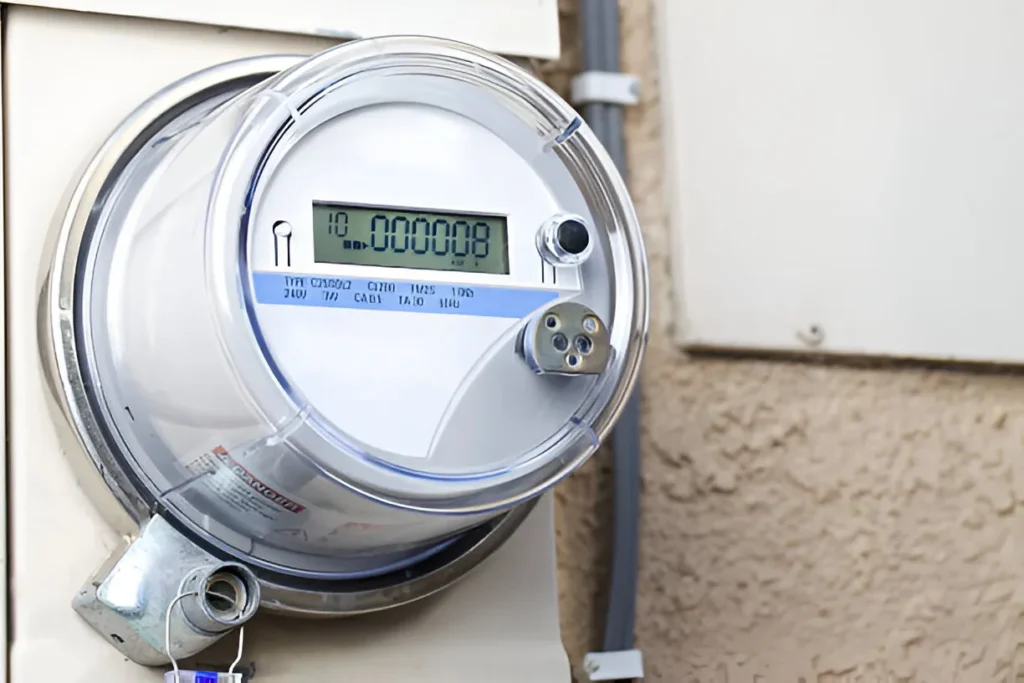
Smart meters (SMETS1 and SMETS2): These meters automatically send your readings to your energy supplier, but you can also read them manually. They often display additional information such as export readings if you generate your own electricity.
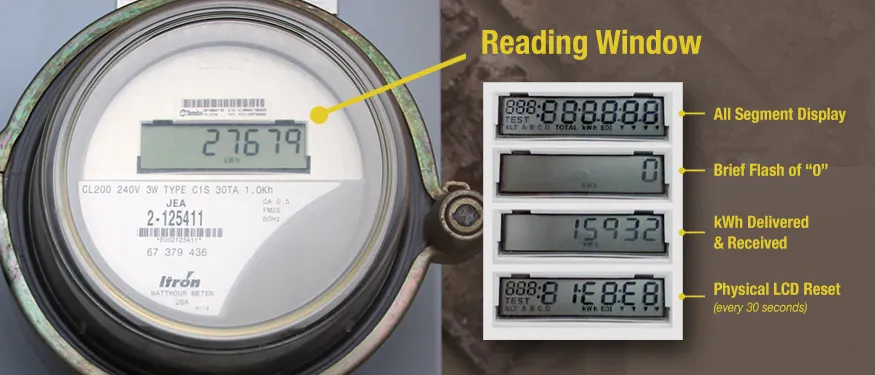
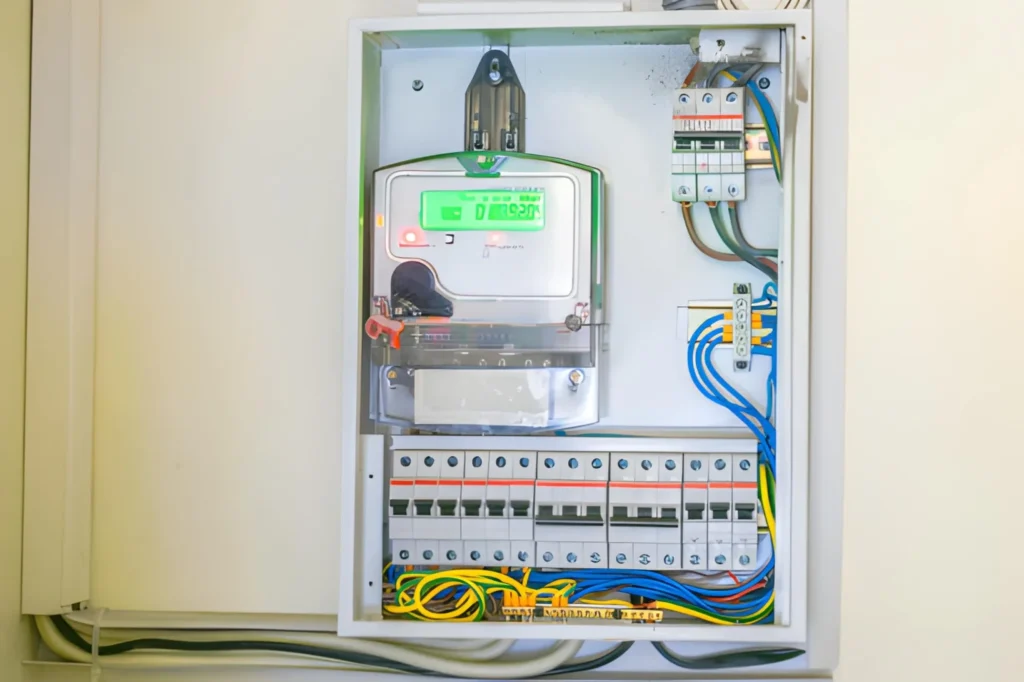
Digital meters: These display consumption in numbers on a screen and may support multi-rate tariffs like Economy 7, showing readings for peak and off-peak periods.
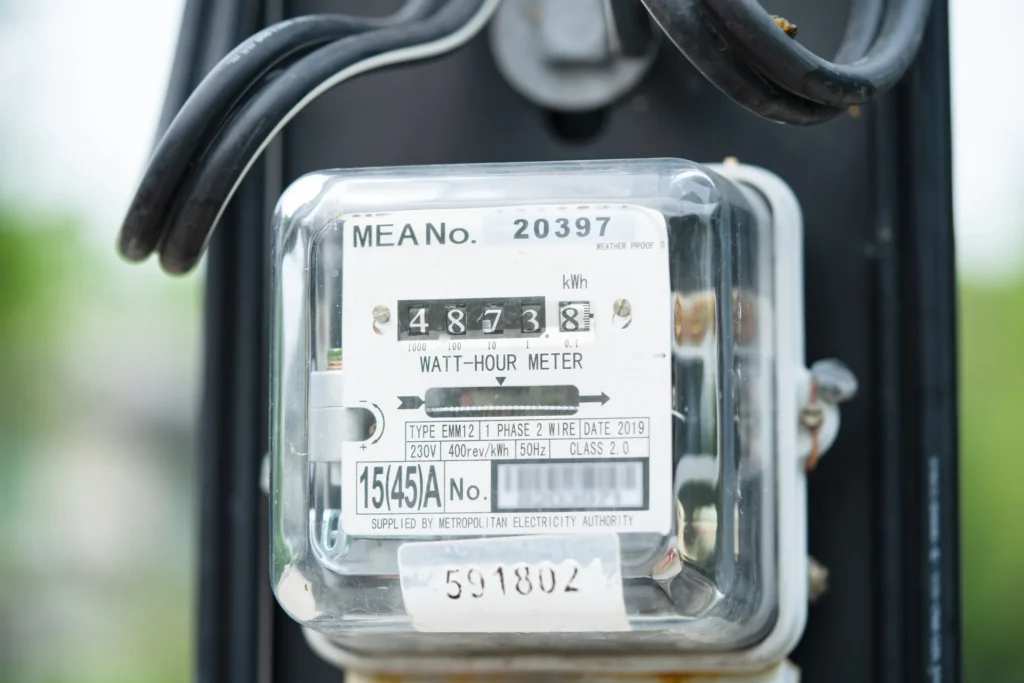
Dial meters: Older meters with a series of dials that rotate. Reading them requires careful observation of pointer positions.
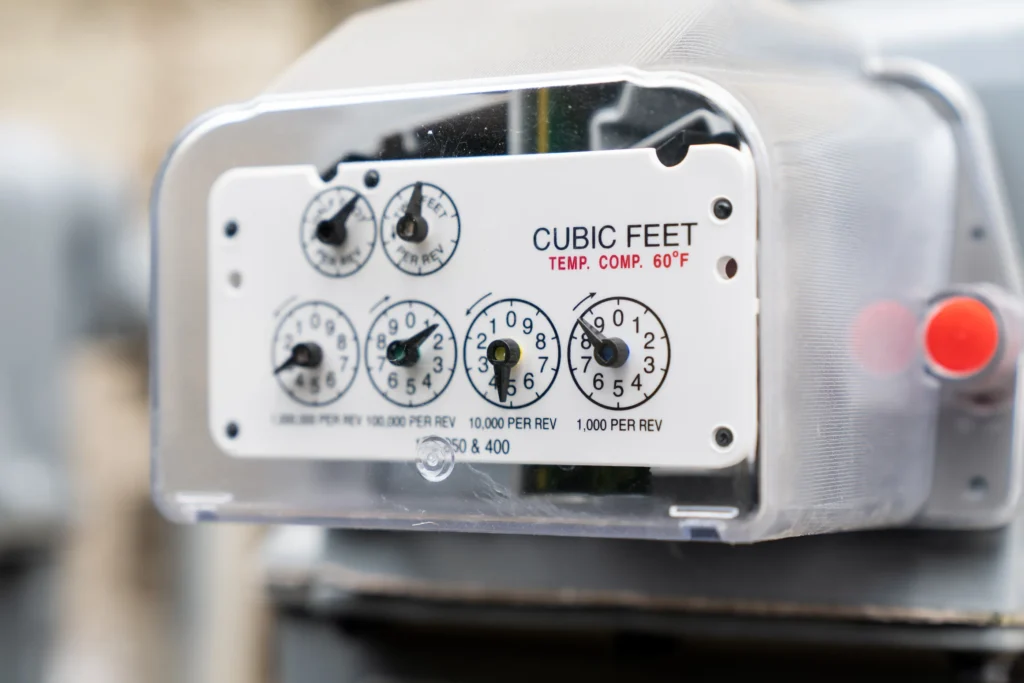
Gas meters: Can be digital or dials; their readings are straightforward but should be differentiated from electricity meters.
Step-by-Step Guide to Reading Your Meter
How to Read Smart Meters
Smart meters like SMETS1 and SMETS2 are increasingly common worldwide. Typically, your meter will have buttons to cycle through readings.
Electricity readings: Look for a display starting with “IMP” which indicates import or consumption of electricity and note the number that follows, usually ignoring decimals.
Export readings: If you have solar panels or other generation, look for “EXP” readings indicating electricity sent back to the grid.
Gas readings: Usually accessed through a separate button; only note whole numbers for billing purposes.
Buttons vary by meter brand; common practice is to press button ‘6’ or ‘A’ to cycle readings.
How to Read Digital Meters
Read all digits displayed on the screen. Ignore digits in red or numbers after a decimal point as they are not part of your main reading.
For two-rate meters, press the button to toggle between peak and off-peak readings and write down both separately.
How to Read Dial Meters
Each dial represents a digit in your total consumption.
Reading is done from left to right.
If the dial hand is between two numbers, record the smaller number.
If exactly on a number, check if the next dial is before ‘0’; if so, subtract one from that reading.
How Regular Reading Benefits You
Accurate Billing: Prevent estimated bills that may be higher or lower than your actual usage.
Export Monitoring: Track how much solar or generated energy you send back to the grid.
Common Questions About How to Read Energy Meter
Why is my meter reading different from the bill?
Bills may be based on estimated readings if actual readings were not submitted. Providing regular meter readings ensures accurate billing.
How often should I read and submit my meter reading?
Submit readings monthly or as often as requested by your supplier for the most accurate billing.
Can I read my smart meter with a phone app?
Many suppliers offer smartphone apps that receive your smart meter readings automatically, removing the need for manual readings.
What if my meter is broken or not working?
Contact your energy supplier immediately to arrange for inspection or replacement.
How to differentiate between a consumption meter and a generation meter?
Consumption meters often start with “IMP” (import), whereas generation meters for solar or other production show “EXP” (export) readings indicating energy sent back to the grid.
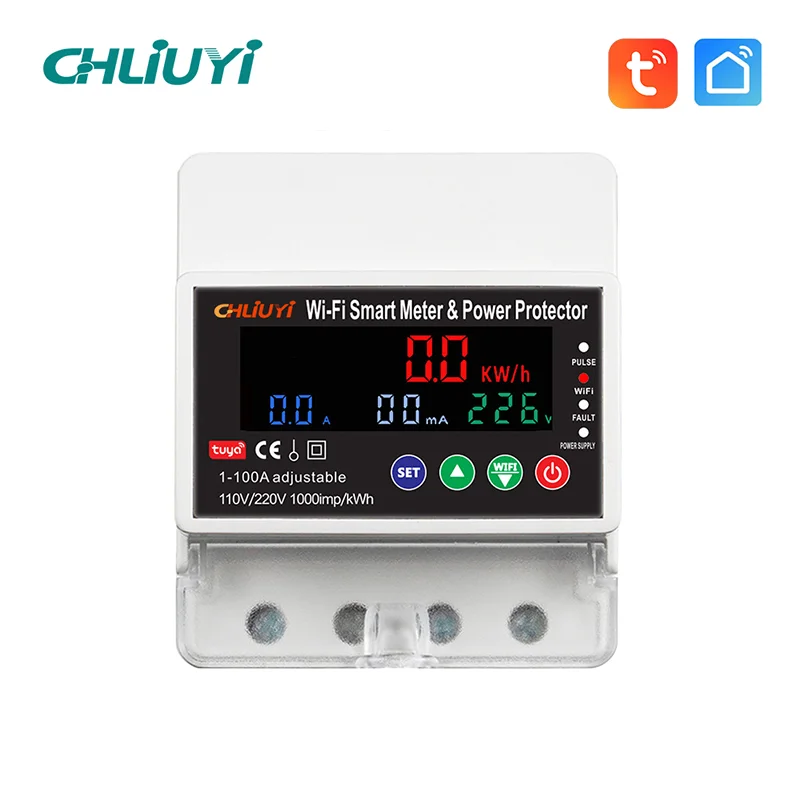
In modern factories, electric power meters are no longer just billing devices; they are core sensors of your energy and power distribution system. They give real‑time visibility into loads, help prevent overloads, and support energy efficiency and carbon‑reduction programs. When combined with reliable relays and well‑designed distribution panels, power meters become a complete solution: they […]
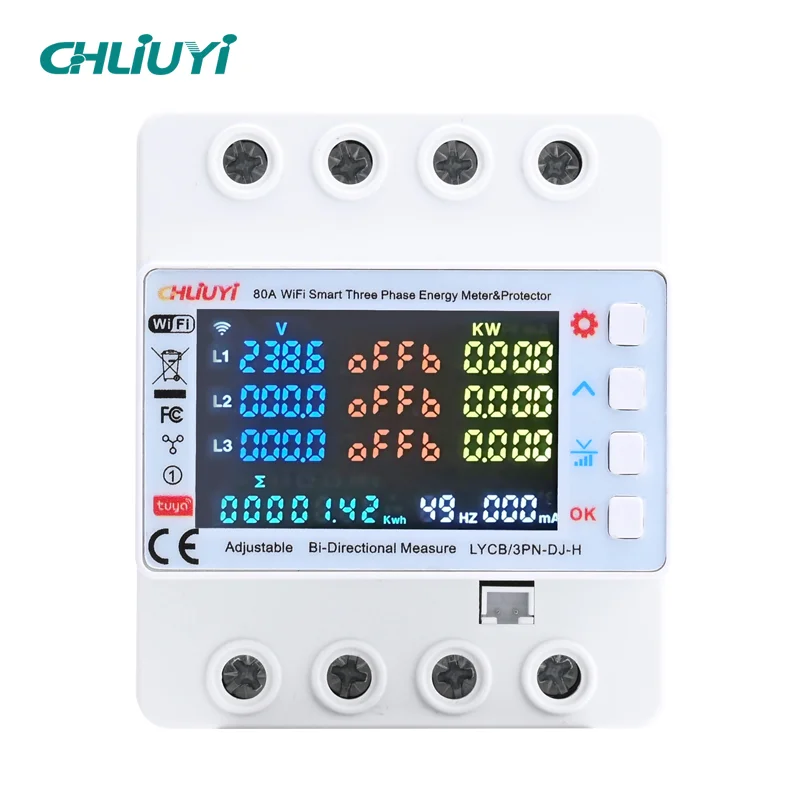
Have you noticed more customers searching for “three phase electric meter” and wondered how to turn that interest into real business? In this blog, we will walk through what a three phase electric meter is, where it is used, and how you can help your customers choose the right model with confidence. Three phase power […]
Key Features & Benefits of Liuyi Circuit Breakers Our Liuyi circuit breakers are designed with your safety and convenience in mind. Here’s what makes them stand out: Feature Benefit Overload & Short Circuit Protection Prevents electrical hazards and equipment damage by automatically cutting off power during faults. Resettable Circuit Breaker Unlike fuses, you can easily […]
We use cookies to enhance your browsing experience, serve personalised ads or content, and analyse our traffic. By clicking "Accept All", you consent to our use of cookies.