Are you searching for a practical solution to monitor and manage electricity use in your facility?
Electric smart meters might be the answer. Today, we’ll explore what electric smart meters are, how they work, the types and features industrial users care about, and give you all the advice you need to make an informed purchase.
If you’re planning a new project, you can contact our team to select the appropriate electric smart meters based on your cabling standards.
What are Electric Smart Meters?
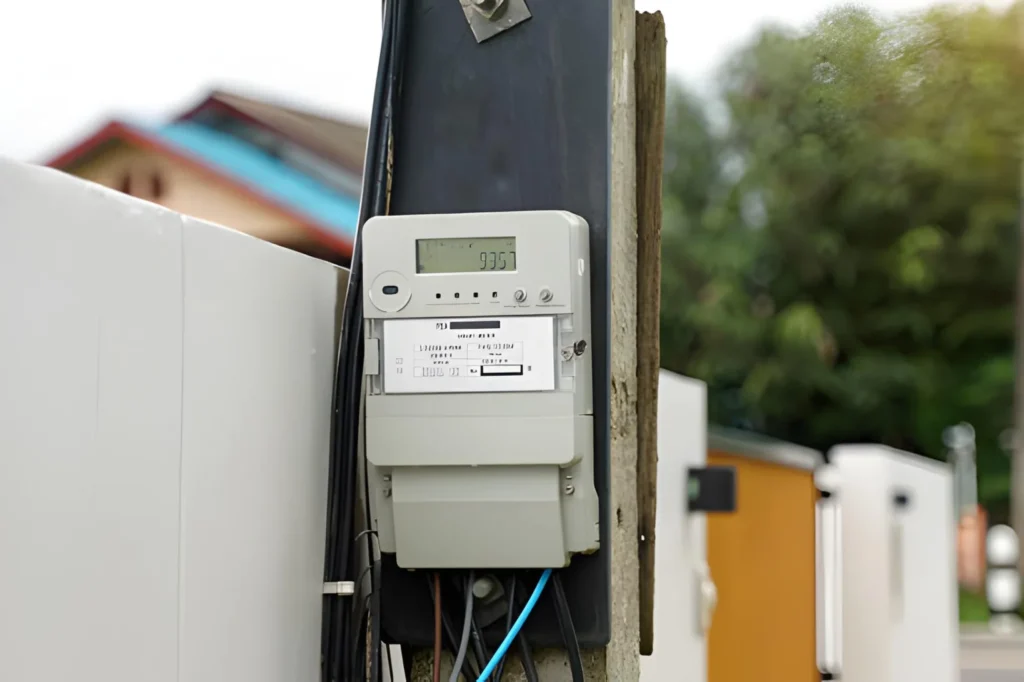
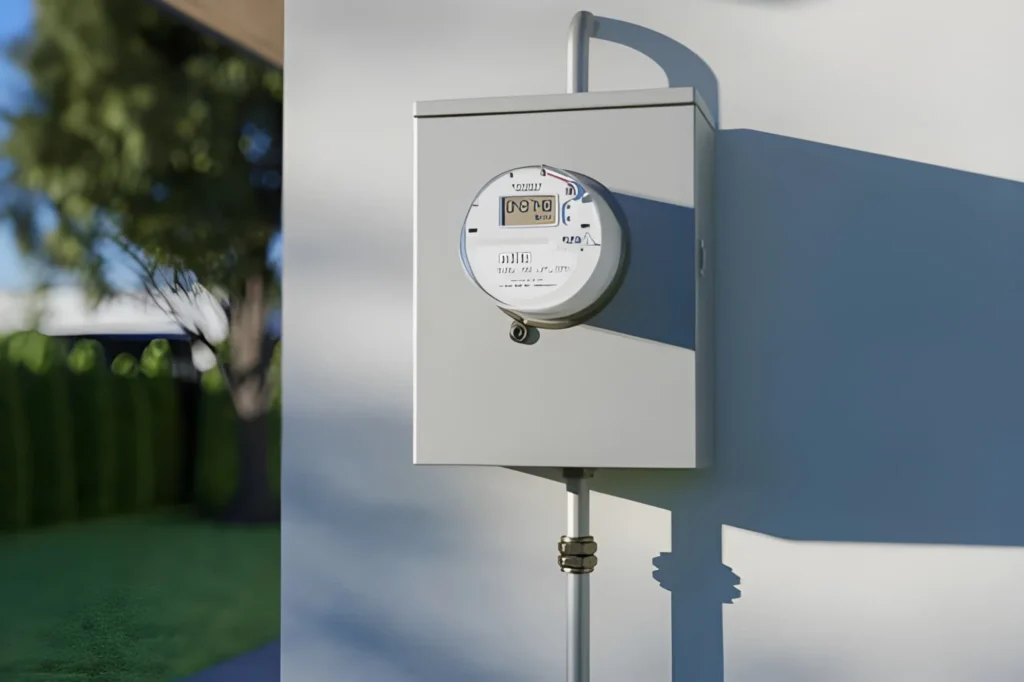
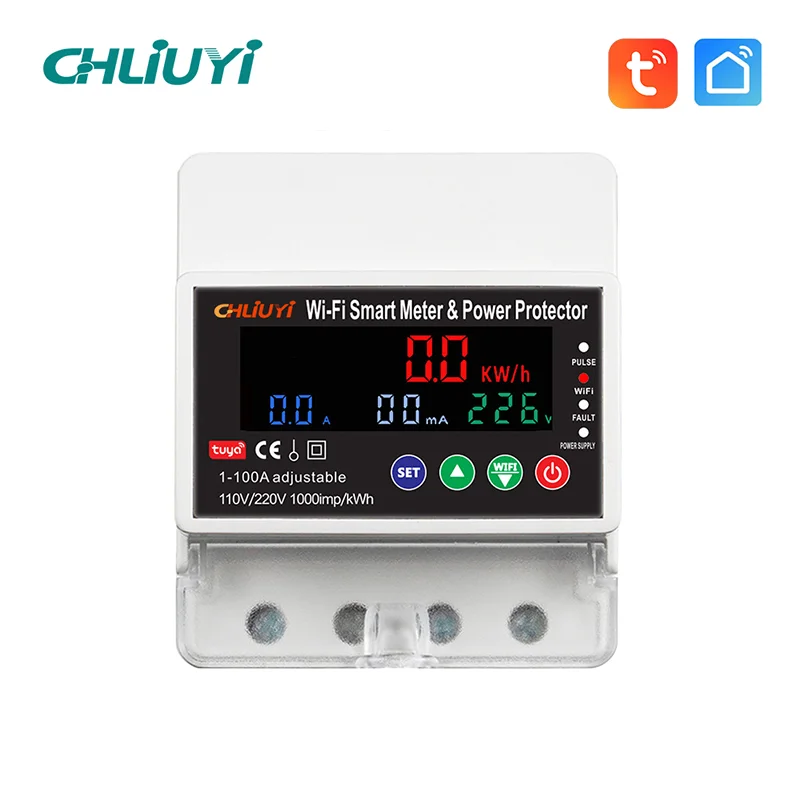
Electric smart meters are advanced devices that measure electricity consumption and transmit usage data in real time. Unlike old-style analog meters, these modern systems continuously record energy usage and transmit the data to energy management systems or utilities using secure network communications (like Wi-Fi, cellular, or radio frequency).
Smart meters don’t just count your kilowatt-hours. They can:
Help detect inefficiencies, energy leaks, or machinery running outside scheduled hours.
Automate data collection so you don’t need manual checks or risk billing errors.
Support compliance with energy regulations (think ISO 50001 audits or regional emission directives).
So, whether you call it an “electricity energy meter,” “electrical energy consumption meter,” or “electric energy meter,” smart meters deliver actionable insights that go way beyond basic measurement.
Types of Electric Smart Meters and Applications
What type of electric smart meter suits your facility? There are several types, each designed for different industrial scenarios:
Single-phase meters: Ideal for small workshops, offices, or service rooms.
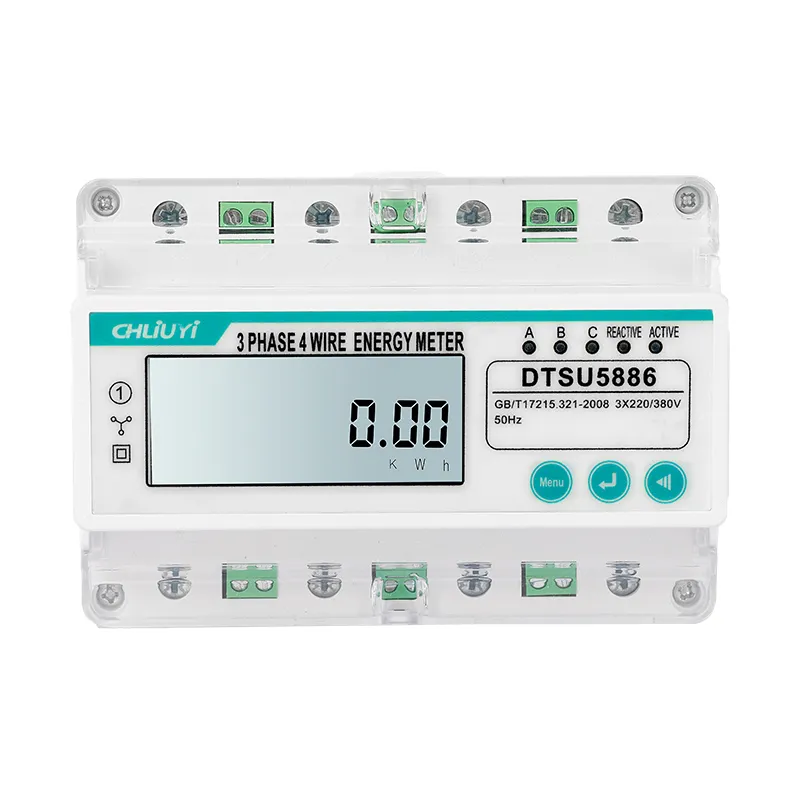
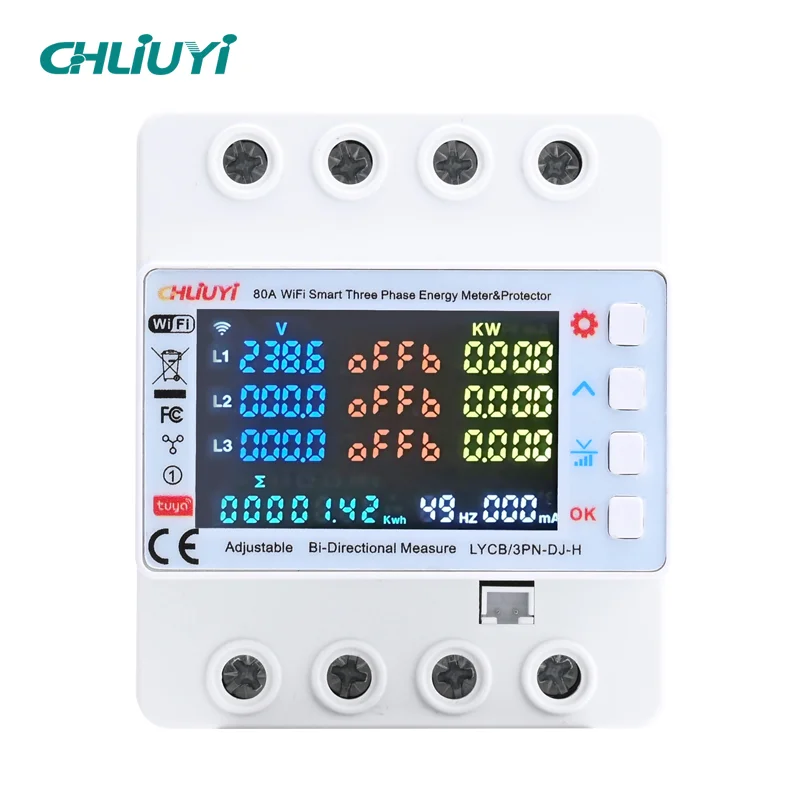
Three-phase meters: Perfect for factories, commercial buildings, and energy-intensive settings. They handle heavy loads and offer detailed data across multiple phases.
Multi-utility meters: These not only track electricity, but also water and gas, giving a full overview in mixed-use buildings.
Multi-function meters: Offer features like voltage/current tracking, power factor monitoring, and predictive maintenance alerts. Great for complex operations needing advanced analytics.
Here’s a quick table highlighting key meter types for industrial users:
Meter Type
Application
Main Advantages
Single-phase
Small facilities
Simple, economical, easy install
Three-phase
Factories, plants
Handles high load, robust data
Multi-utility
Mixed-use buildings
Tracks gas/water/electric
Multi-function
Any industrial site
Alerts, analytics, supports audits
In manufacturing, smart meters are frequently installed on main switches or production line feeders, letting teams track per-process energy expenses and optimizing schedules to avoid costly peaks in demand.
How Electric Smart Meters Work
You might be asking, “Is the installation really plug-and-play?” Here’s a breakdown of the journey from measurement to analytics:
Step-by-Step Working Process
The meter tracks electrical parameters: voltage, current, frequency, power factor, and energy consumed.
It stores and transmits usage data to a central system via cellular, RF, PLC, or Ethernet connections.
Facility managers and engineers access real-time dashboards to monitor consumption patterns—even remotely.
The system triggers alerts for abnormalities—like sudden surges, outages, or unauthorized tampering.
Data can be exported to ERP systems for wider business analytics and automated billing.
This end-to-end approach boosts efficiency and supports better demand management for your facility. What if you could spot a failing machine before operations grind to a halt? That’s where predictive analytics come into play with advanced smart meters.
Common Mistakes & How to Avoid Them
Even seasoned professionals can stumble—mistakes during installation, selection, or operation result in headaches and extra costs. Have you seen a meter overheat or report errors because it didn’t match the load specifications? Here’s how to stay ahead:
Under-sizing the Meter: Always check the total current and use a three-phase, CT-based smart meter for high-power facilities.
Ignoring Compliance: Ensure meters meet national and international standards (SMETS, MID, IEC, ANSI), or risk legal trouble and inaccurate readings.
Poor Network Planning: Choose compatible communication modules (LTE, NB-IoT, PLC) for seamless integration; avoid blind spots in coverage.
Skipping Safety Checks: Always power down before installation; double-check wiring to prevent electric shock or meter damage.
Neglecting Data Management: Don’t just collect data—use integrated analytics platforms for actionable insights.
Being proactive can save tens of thousands in downtime and retrofits. What if your meter could flag a wiring issue before it turns into a plant-wide outage?
Installation and Maintenance: Practical Tips
Successful installation and operation require more than screwing a box to the wall. Industrial environments, from dusty factory floors to remote mining operations, pose challenges. How do you ensure accuracy and reliability?
Best Practices in the Field
Planning: Map your network, assess load demands, and pick the right meter type for each zone.
Physical Installation: Use rails and secure mounts, and verify wiring (L1, L2, L3 phases and neutral)—inspect for damage or fraying.
Earthing: Proper earthing reduces risks of electric shock and protects sensitive electronics from surges.
Testing: Once installed, verify with live loads and check the meter’s display. Run diagnostics for all phases.
Routine Checks: Schedule regular data audits—anomalies may reveal equipment faults, tampering, or calibration issues.
Firmware Updates: Keep software up-to-date for the latest security patches and features.
“Have you planned a new project or facility upgrade? Reach out—our team can help you select the ideal electric smart meters that fit your cabling standards and compliance needs.”
Real-World Scenarios in Industry
Smart meters are changing the game in manufacturing, logistics, mining, and even facility management. Consider these examples:
A packaging facility reduced downtime by 25% after installing three-phase AMI meters with real-time communication modules; predictive analytics flagged a failing compressor before operations stalled.
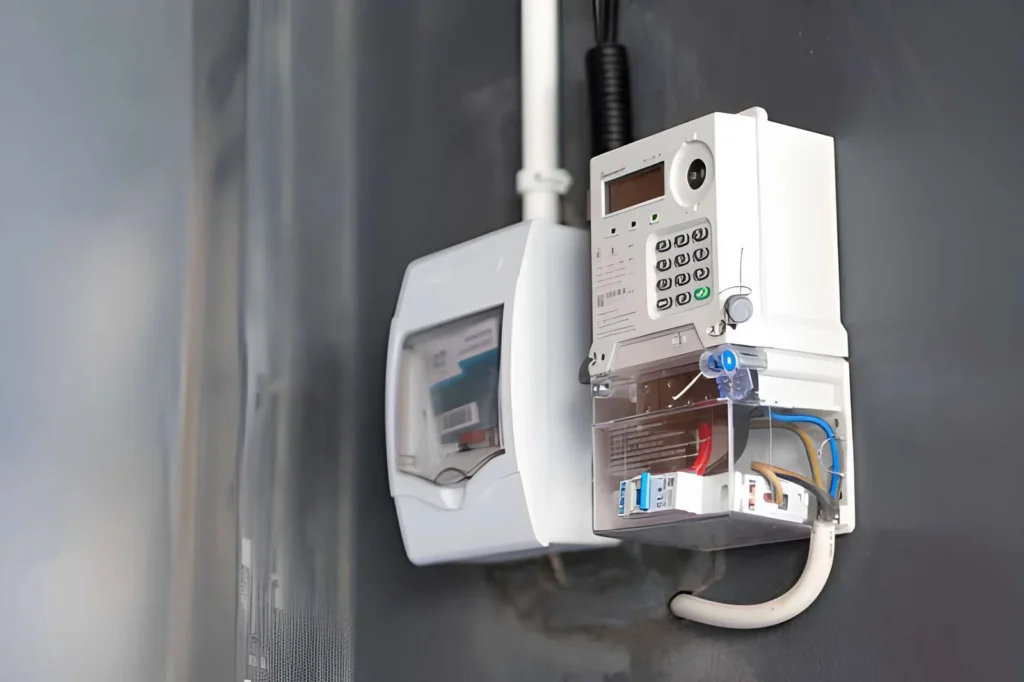
A wholesale warehouse switched to prepaid smart meters to better control energy costs in leased zones, eliminating billing disputes with tenants.
Engineers in a mining plant used electric energy meters to optimize power factor, reducing penalties for reactive power and saving annually.
In every case, choosing the right meter helped teams maximize reliability, security, and cost-effectiveness—turning a routine purchase into a strategic investment.
Conclusion: Why Electric Smart Meters Matter for Your Business
From granular power tracking to advanced analytics and seamless integration, electric smart meters are transforming how industries manage energy. If your business still relies on manual readings or outdated meters, you risk inefficiencies and compliance headaches. Electric smart meters guide facilities toward reliable, secure, and cost-effective operations, all while keeping data at your fingertips.
Thinking of upgrading? Contact our team to select the optimal electric smart meters that meet your cabling standards and industry regulations. Empower your operations today!
Electric Smart Meters FAQ
What’s the difference between a standard electricity energy meter and an electric smart meter?
Standard meters provide basic readings for manual collection. Electric smart meters automatically measure, store, and transmit electricity usage in real time, offering advanced analytics and remote management.
How does an electric smart meter improve reliability in industrial applications?
Smart meters detect real-time issues like surges or outages, send alerts, and provide accurate billing—making maintenance and response much faster.
Are smart meters secure and compliant?
Yes, as long as you choose models that meet national and international standards (such as SMETS, MID, or IEC/ANSI). Regular firmware updates and encrypted communications protect your data from tampering or cyber threats.
How do I select the best electric smart meter for my operation?
Assess your load size, phase requirements (single/three-phase), preferred communication module (cellular, RF, PLC), and compliance regulations. Consult with suppliers on advanced features like analytics and remote diagnostics.
Can electric smart meters help control costs?
Absolutely. By providing real-time consumption data and supporting energy-saving programs, meters help you optimize load management and spot inefficiencies. Prepaid meters and detailed analytics support better cost allocation for multi-tenant sites.
Are there special considerations for installation in harsh industrial settings?
Make sure meters have robust enclosures (IP-rated, dust-proof, moisture-proof), proper earthing, and suitable communication modules for your environment. Schedule regular maintenance and use vendor tools for diagnostics.
Have you ever stood in front of a new piece of industrial equipment and realized your building only has single-phase supply? If so, you are not alone. Many commercial and light industrial facilities face the same challenge. The good news is that 3 phase power from single phase is not only possible, it is widely […]
Learning how to read electric meters gives you direct control over how much energy you use and how much you pay for it. The meter tracks electricity in kilowatt‑hours (kWh), the same unit your utility uses to calculate monthly charges for homes and businesses. Whether your service is measured by an older dial‑type meter, a […]
If you’re looking to accurately measure and manage electrical energy, choosing the right electric power meter is essential. Whether you’re a facility manager overseeing a large building, an electrician specifying meters for a project, or a homeowner wanting to monitor consumption, understanding your options is key. From traditional electromechanical models to advanced smart meters with real-time data, this […]
We use cookies to enhance your browsing experience, serve personalised ads or content, and analyse our traffic. By clicking "Accept All", you consent to our use of cookies.