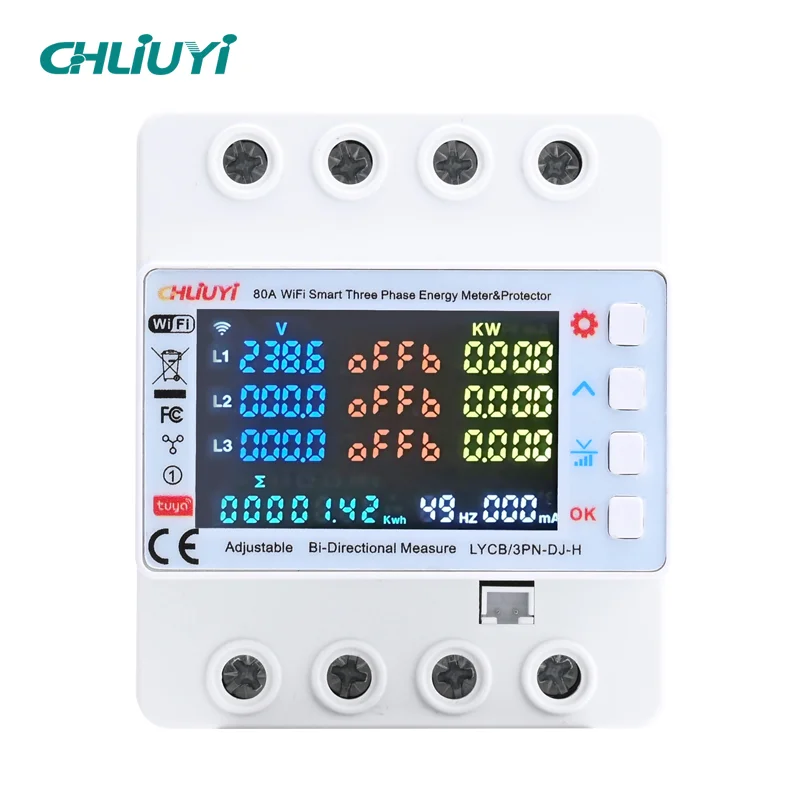
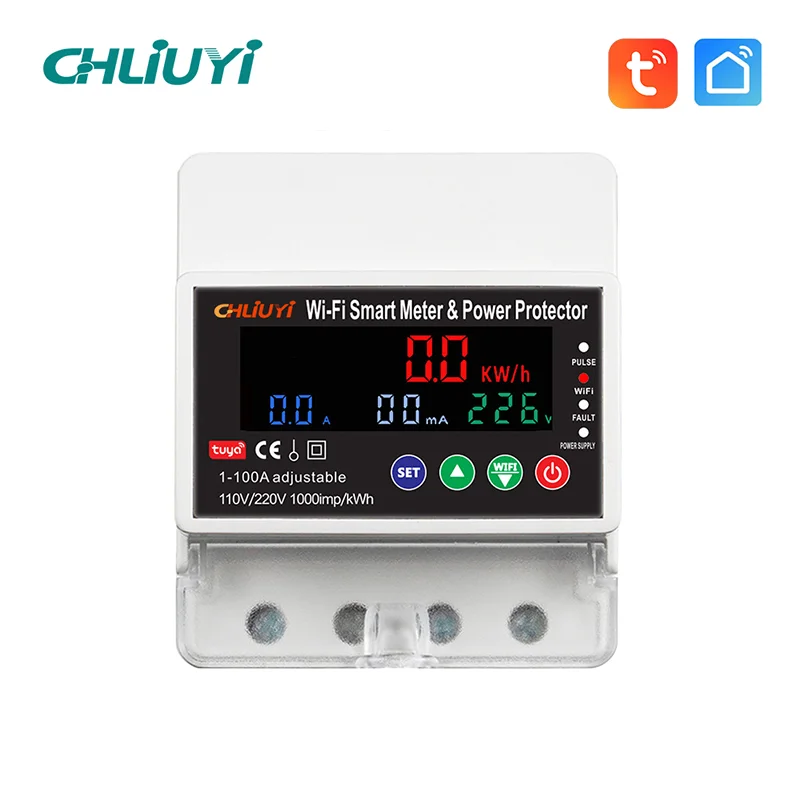
In modern factories, electric power meters are no longer just billing devices; they are core sensors of your energy and power distribution system. They give real‑time visibility into loads, help prevent overloads, and support energy efficiency and carbon‑reduction programs.
When combined with reliable relays and well‑designed distribution panels, power meters become a complete solution: they do not just measure; they also help you control, protect and optimize every kilowatt in your plant.
From Basic Meter To Factory Energy Solution
Many facilities still use basic kWh meters that only provide monthly readings, making it difficult to locate energy waste or troubleshoot power quality issues.
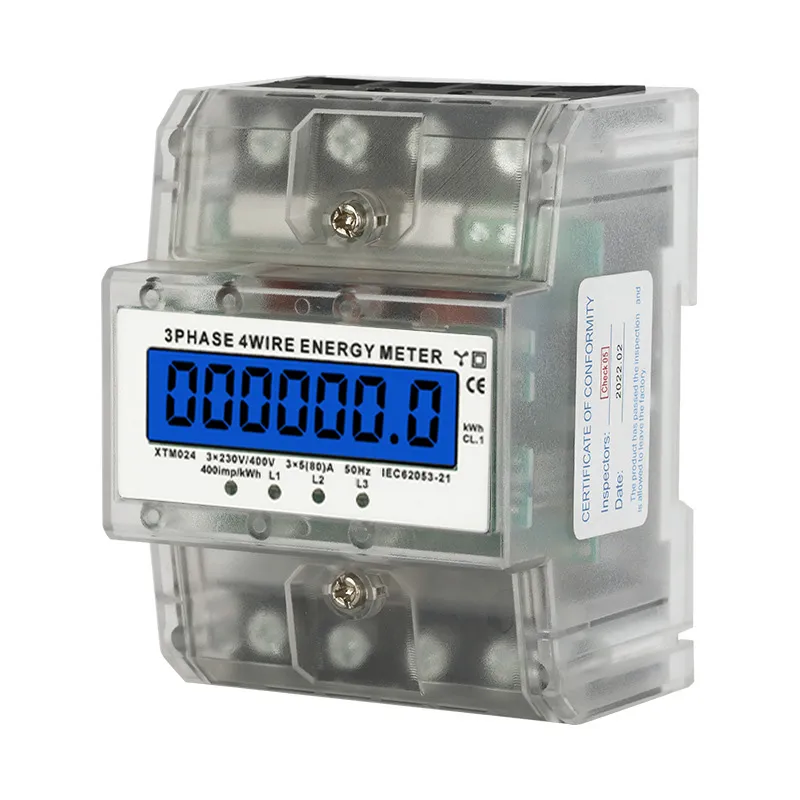
By upgrading to industrial‑grade three‑phase power meters with communication and event logging, factories can monitor feeders, key machines and production lines in real time, feed data into EMS/SCADA, and link measurements to relay operations for protection and remote disconnect.
Core Functions Of Industrial Electric Power Meters
High‑quality industrial electric power meters typically integrate several key functions that go far beyond simple kWh counting.
These functions are essential for OEM panel builders, system integrators and factory users who need both measurement and control:
Multi‑parameter measurement: Voltage, current, active/reactive/apparent power, power factor, frequency and sometimes harmonics.
Data logging and event records: Load profiles, demand, alarms and events for later analysis and reporting.
Communication: Modbus, RS‑485, Ethernet or IoT connectivity to integrate with energy management and building management systems.
Control outputs and relay interfaces: DO/relay outputs support load shedding, remote disconnect and alarm signaling.
Typical Industrial Application Scenarios
Well‑designed power metering solutions help factories move from “see nothing” to “see everything” in their electrical system.
Typical use cases include:
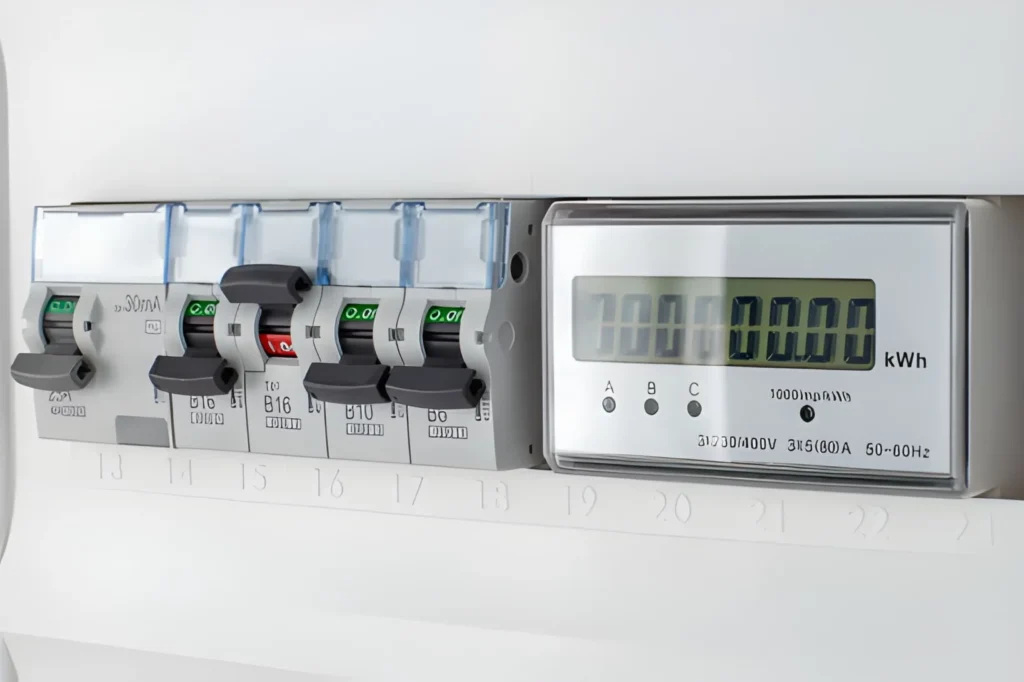
Panel‑level monitoring: Installed in low‑voltage distribution panels to measure incoming feeders and critical outgoing circuits, supporting load balancing and transformer protection.
Machine and line metering: Mounted near large motors, compressors, injection machines or conveyor lines to calculate energy cost per product or per order and identify inefficient equipment.
Sub‑metering for cost allocation: Used in multi‑workshop or multi‑tenant industrial parks to allocate energy costs fairly and encourage energy‑saving behavior.
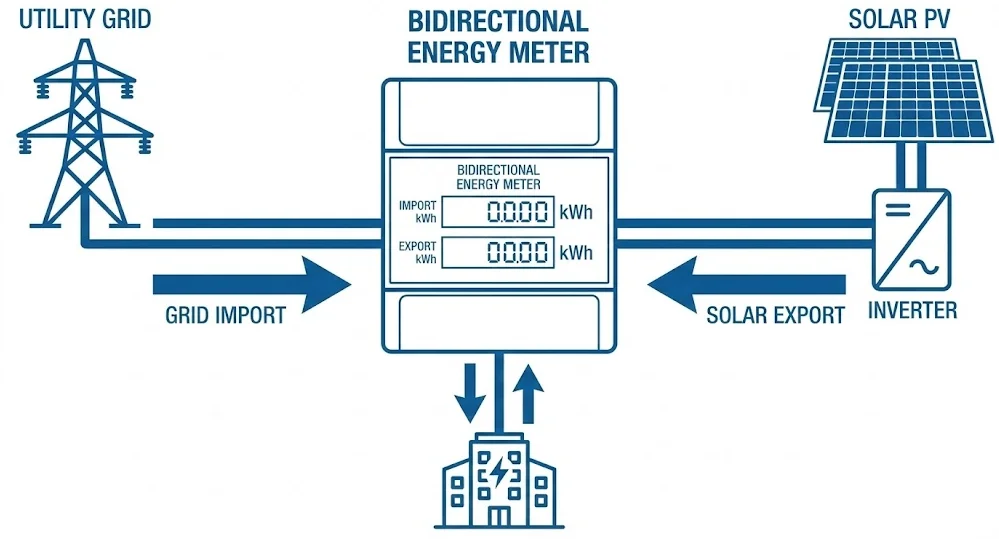
Renewable and DC systems: Applied in PV systems, battery energy storage and DC control cabinets to measure bidirectional energy flows and protect DC loads.
Why Your Choice Of Relay And Panel Hardware Matters
Inside many smart meters and panel systems, relays play a vital role as electrically operated switches that connect or disconnect loads based on meter measurements and controller commands.
Magnetic latching relays are widely used in smart energy meters because they keep their state without continuous coil power, reducing energy consumption and heat, while still offering reliable remote disconnect and reconnection under high current.
Electric Power Meter Solution For Factory Buyers
Application scenario
Meter requirements
Relay / distribution needs
Recommended solution angle
Main LV incoming panel of a factory
3‑phase power/energy meter, Class 0.5 or better, demand logging, Ethernet/Modbus, alarm outputs.
High‑current panel relays/contactors for feeder control, coordinated with protective relays and breakers.
“Factory main incomer monitoring solution: smart power meter + high‑reliability panel relay package for safe, visible power distribution.”
Individual production lines or large motors
Compact 3‑phase meter with Modbus, basic power quality parameters, easy DIN‑rail mounting.
PCB / plug‑in relays for motor control, overload alarms, and start/stop interlocks.
“Energy‑aware line control: line‑level meter + motor control relays to reduce downtime and detect abnormal loads.”
Multi‑tenant industrial buildings or rental workshops
Latching relays for remote disconnect/reconnect of each tenant, low coil power consumption.
“Smart sub‑metering + prepayment: metering plus latching relay solution to cut manual site visits and speed billing.”
Solar plant / ESS / EV charging area
AC/DC energy meters for bidirectional flow, good accuracy under varying loads, wide temperature range.
DC relays or contactors with high breaking capacity and arc‑suppression design.
“Renewable‑ready metering + DC relay package for safe switching of PV strings, battery banks and fast chargers.”
FAQ
What is the difference between a residential meter and an industrial electric power meter?
Residential meters focus mainly on kWh billing for single‑phase loads, with limited parameters and basic communication. Industrial meters typically support three‑phase measurements, higher accuracy classes, extended measurement parameters, communication protocols and integration into energy management systems, making them suitable for complex factory environments.
How do electric power meters cooperate with relays in a factory system?
Meters measure currents, voltages and energy, then send data or alarm signals to controllers or directly to relay outputs when limits are exceeded, enabling load shedding, remote disconnect and fault isolation. In smart meter designs, latching relays placed after the meter can disconnect individual feeders or tenants remotely, using very little holding power and supporting prepayment and anti‑tamper functions.
What should B2B buyers check before ordering meters and relays together?
Buyers should confirm system type (single/three‑phase, AC/DC), maximum current, accuracy class, communication interface and mounting method for the meter, and match relay ratings, breaking capacity and endurance to the real load conditions. They should also pay attention to environmental conditions, standards compliance and long‑term total cost of ownership, not just unit price, to avoid premature failures or compatibility issues.
TABLE OF CONTENTS Bidirectional energy metering represents a critical advancement in solar photovoltaic infrastructure, enabling precise measurement of both grid consumption and solar energy export. As industrial facilities and commercial properties increasingly adopt renewable energy solutions, understanding bidirectional energy metering becomes essential for optimizing energy costs and ensuring regulatory compliance. This technology transforms conventional one-way […]
The Core Difference: Single Phase vs. Three Phase Meters When choosing between a single phase and a three phase energy meter, the voltage, load capacity, and power delivery method are key factors. Voltage and Load Capacity Meter Type Voltage Range Typical Load Capacity Application Single Phase Meter 110V – 230V Low to medium residential loads […]
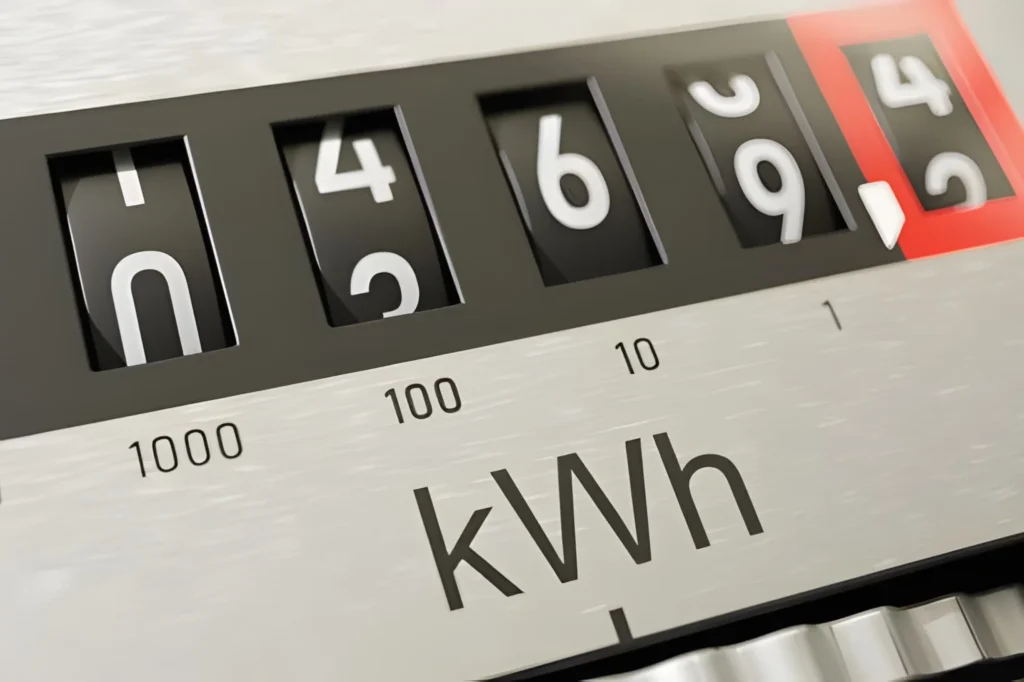
If you’ve ever glanced at your electric bill and wondered how those numbers were calculated, you’re not alone. Energy meter reading is a simple but crucial skill that puts accurate control of your electricity costs right in your hands. Whether you’re dealing with an analog dial, a sleek digital display, or a smart meter, knowing […]
We use cookies to enhance your browsing experience, serve personalised ads or content, and analyse our traffic. By clicking "Accept All", you consent to our use of cookies.