Smart meters are changing the way we manage and understand energy consumption in homes, factories, and businesses.
With rising demand for accurate utility monitoring, “smart meters” and related long-tail keywords like “real-time energy tracking,” “IoT smart water meters,” and “smart meter installation for factories” are becoming highly relevant for SEO and digital marketing.
Whether you’re a business owner or a curious consumer, this blog dives deep into what smart meters do, why they matter, and how you can leverage the latest technology for cost savings and compliance.
What is a smart meter?
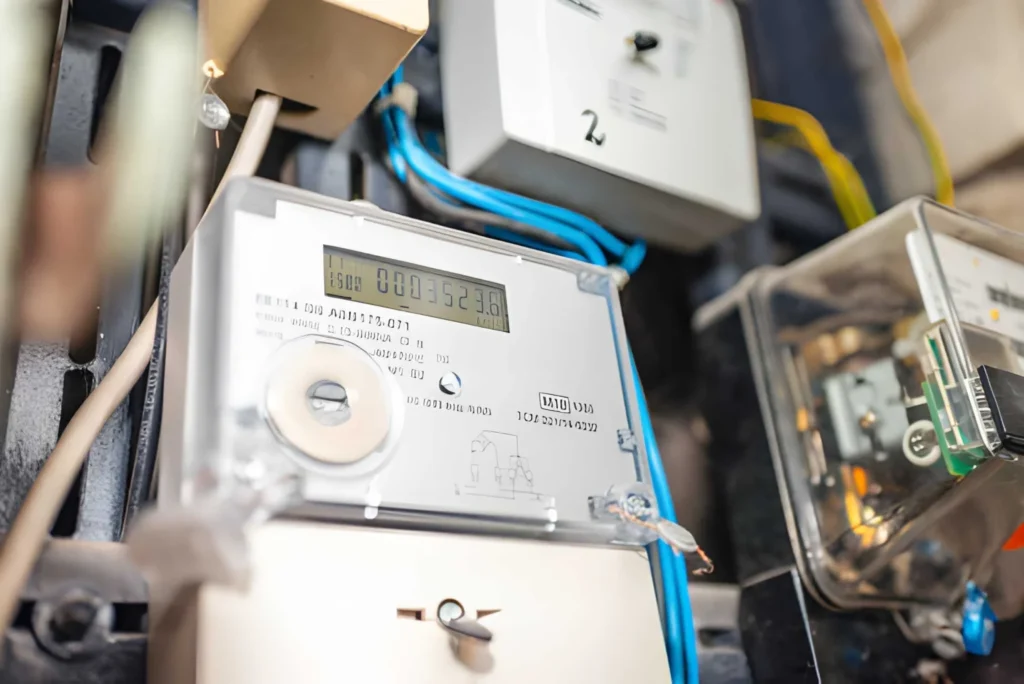
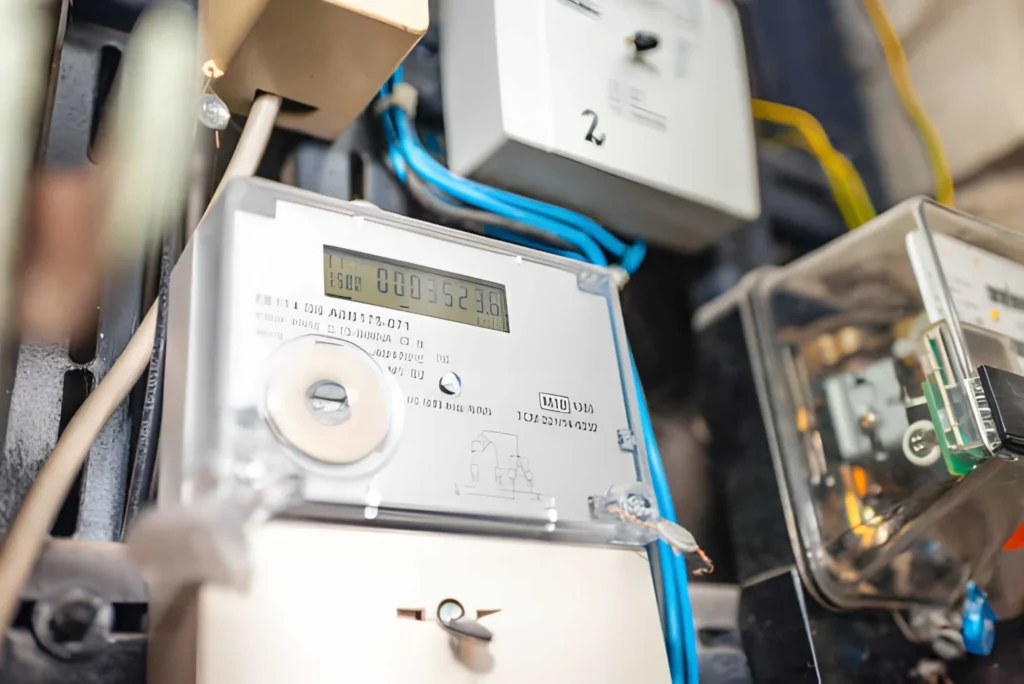
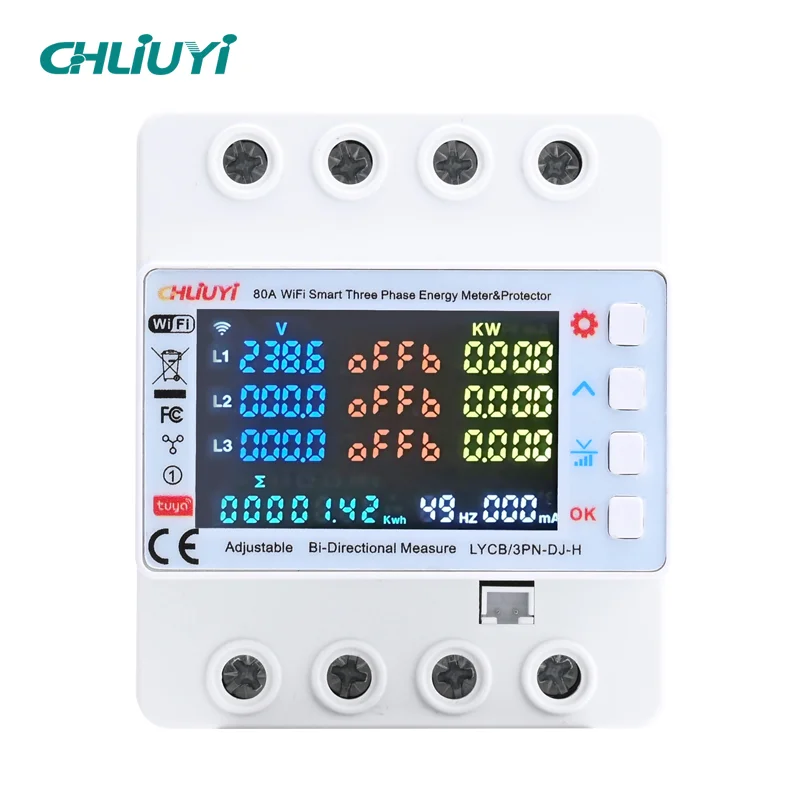
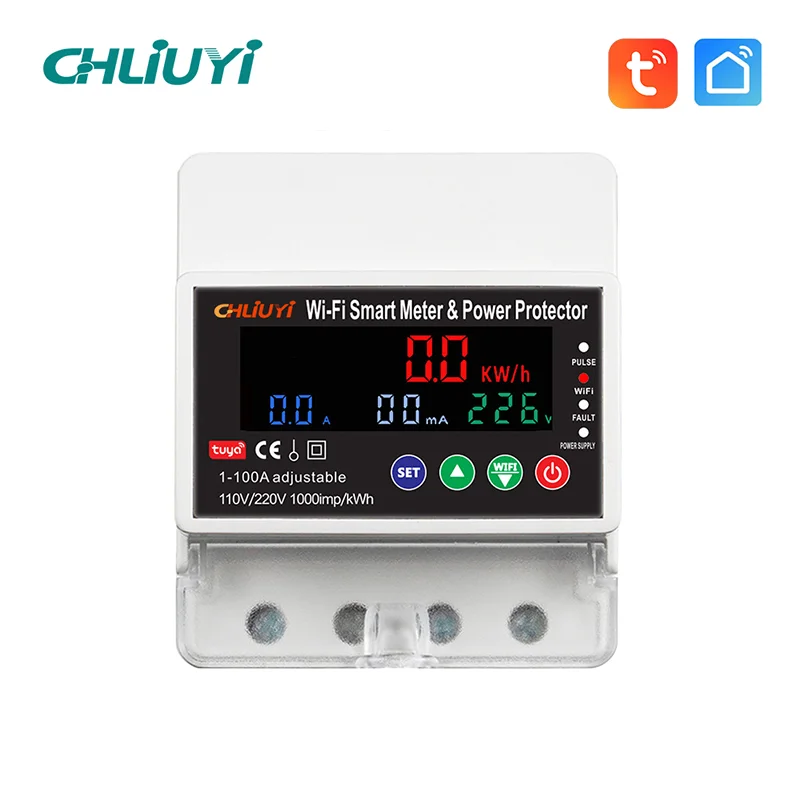
Smart meters are advanced digital devices that automatically record and send detailed energy usage data to utility companies, eliminating manual meter readings and estimated bills. By continuously tracking your power, gas, or water consumption, smart meters provide clear insights into how and when energy is used. This makes managing your utility bills—and optimizing your energy use—much easier and more effective.
Table: Smart Meter vs. Traditional Meter
Feature
Smart Meter
Traditional Meter
Data Transmission
Automatic
Manual
Billing Accuracy
Real-time, precise
Estimated, variable
Outage Detection
Instant alerts
Slow, manual
User Control
Detailed insights
Limited, infrequent
Integration with IoT
Yes
No
Feeling frustrated with unexpected bills? Send us an inquiry to see how switching to smart meters can help streamline your utility management and boost savings.
Main Benefits of Smart Meters
Smart meters don’t just offer convenience; they unlock many advantages for businesses and homeowners alike. Among the top benefits are improved billing accuracy, reduced energy waste, and greater opportunities for integrating renewable energy sources.
Improved billing accuracy through automatic, real-time transmission of usage data.
Enhanced ability to spot and reduce energy spikes, optimizing efficiency.
Faster outage detection and restoration, lowering downtime for businesses.
Easy integration with solar panels, wind turbines, and other green tech.
Supports regulatory compliance for energy reporting and sustainability initiatives.
Enables sub-metering for tenant-specific tracking in commercial buildings.
Dive Deeper: Real-Time Data and Savings
Real-time data is the backbone of smart meter value; it’s like having an energy coach working for you 24/7. For facility managers and homeowners, seeing how power consumption fluctuates by hour, appliance, or area opens up new possibilities for savings. Imagine logging into a dashboard and instantly seeing the impact of turning off unused machines or lights. This transparency empowers users to respond quickly, cut unnecessary usage, and control costs.
IoT-based smart meters take it further by integrating into building management systems, enabling remote monitoring and advanced analytics. Whether you’re managing a large industrial facility or a busy office, you can receive automated alerts for leaks, faults, or abnormal spikes, keeping operations smooth and efficient. This data-driven approach is also driving the adoption of AI-powered energy management, helping businesses safely balance loads and avoid costly outages.
Are you interested in upgrading your business or commercial property with smart energy management? Contact us now for a tailored solution that matches your needs!
Market Trends and Implementation Best Practices
The smart meter market is expected to surpass 54% adoption globally by 2030, as more utilities integrate these systems in response to regulatory pressure and rising energy costs. In the U.S., states like California and Texas are rolling out smart meters at scale. For factories and property managers, planning for smart meter deployment involves:
Allocating panel space and ensuring secure network connections.
Considering surge protection and utility-side coordination.
Designing sub-metering for tenant or department-based billing.
Regular engagement with stakeholders during implementation.
Utilities and building owners that embrace best practices—like ongoing staff training and live data analytics—see the greatest benefits and quickest ROI. Advanced metering infrastructure (AMI) is also paving the way for distributed energy management and smart grids.
Table: Smart Meter Implementation Checklist
Step
Details
Stakeholder Engagement
Involve utility, tenants, maintenance staff
Hardware Planning
Panel space, secure wiring, surge protection
IT Integration
Network links, cloud monitoring
Data Management
Usage analytics, reporting tools
Maintenance
Automated alerts, quick upgrades
How Smart Meters Support Sustainability
From reducing energy waste to enabling cleaner power sources, smart meters are essential for a greener future. Utilities and businesses can use real-time usage data to better integrate solar and wind energy, shifting consumption during peak periods and supporting grid stability. For companies with sustainability goals or ESG targets, smart metering is now a key part of compliance tools and environmental reporting.
Smart meters also give tenants and consumers more direct control over their footprint, letting them see the impact of small changes—like turning off appliances or adjusting thermostats—in real time. This benefits not only the bottom line but also the planet.
Looking for help with green energy compliance or tenant sub-metering? Reach out to our team today and future-proof your building’s energy management!
Frequently Asked Questions
Do smart meters work with renewable energy sources like solar or wind?
Yes, smart meters provide accurate, real-time consumption data that helps utilities and users optimize for renewable integration—perfect for solar-powered factories or communities.
How do smart meters help with water and gas savings?
Smart water and gas meters enable users to monitor use at any time, get leak alerts, and avoid unexpected bill spikes.
Are smart meters secure and private?
Most modern smart meters use encrypted data transfer and require network security to ensure privacy and prevent unauthorized access.
What is the process for installing a smart meter?
Typically, utility providers handle meter upgrades, coordinating with customers to minimize disruption and ensure proper integration with building systems.
Can smart meters track energy use for specific tenants?
Yes, sub-metering is a key feature that supports tenant-specific billing and even department-level consumption tracking in commercial and multi-family buildings.
Conclusion
Smart meters bring a new era of transparency, efficiency, and sustainability to energy management. From real-time data to AI-powered analytics, these devices help consumers and businesses optimize usage, save money, and support green initiatives. As adoption accelerates in factories, offices, and homes, now is the time to explore how smart metering can benefit your organization or property.
Ready to save on energy costs and improve compliance? Send us an inquiry today or request a custom quote for your smart meter upgrade. Let’s make your building smarter, greener, and more efficient—one meter at a time!
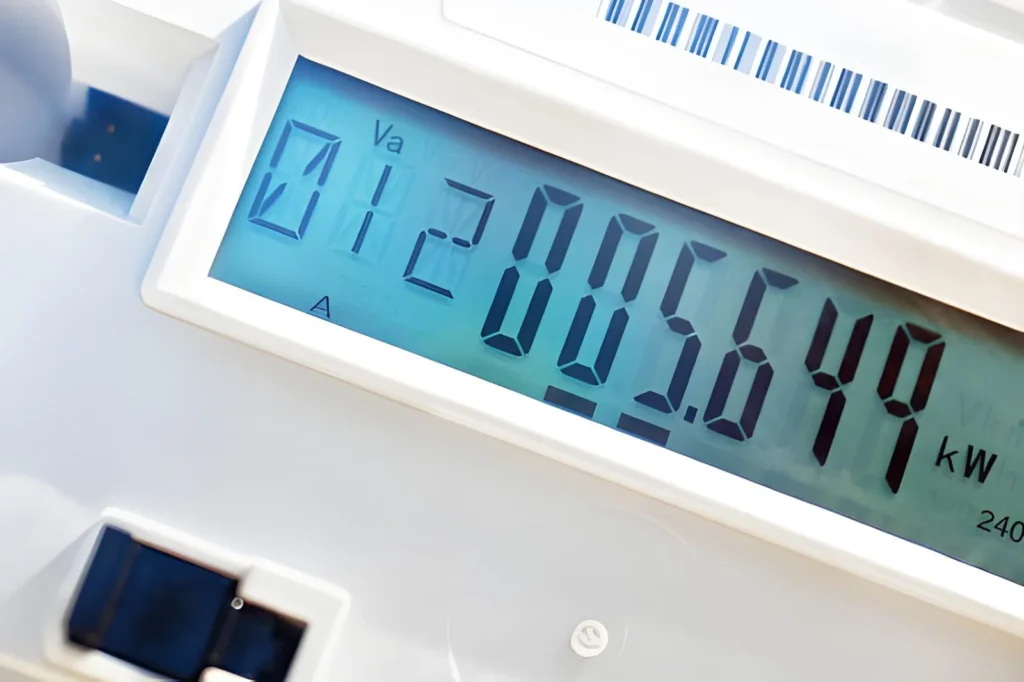
To check an electricity meter, find the display and note the numbers from left to right. Skip any red digits or decimals. Then subtract your last recorded reading from the current one to get the kilowatt-hours (kWh) used. That difference is what your utility uses to bill you. The device itself—whether a digital screen, a […]
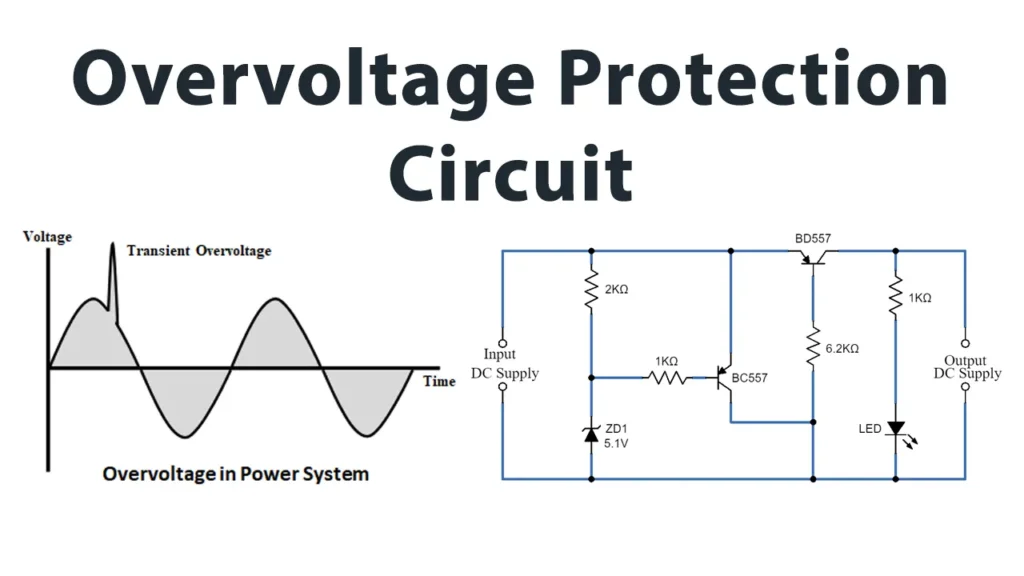
In this tutorial, we will build a Simple Overvoltage Protection Circuit designed to safeguard sensitive electronic components from voltage surges that exceed their maximum rated values. Overvoltages refer to any voltage levels that temporarily surpass the normal mains or supply voltage threshold. Overvoltage protection (OVP) is a crucial feature in many power supplies, which instantly disconnects the […]
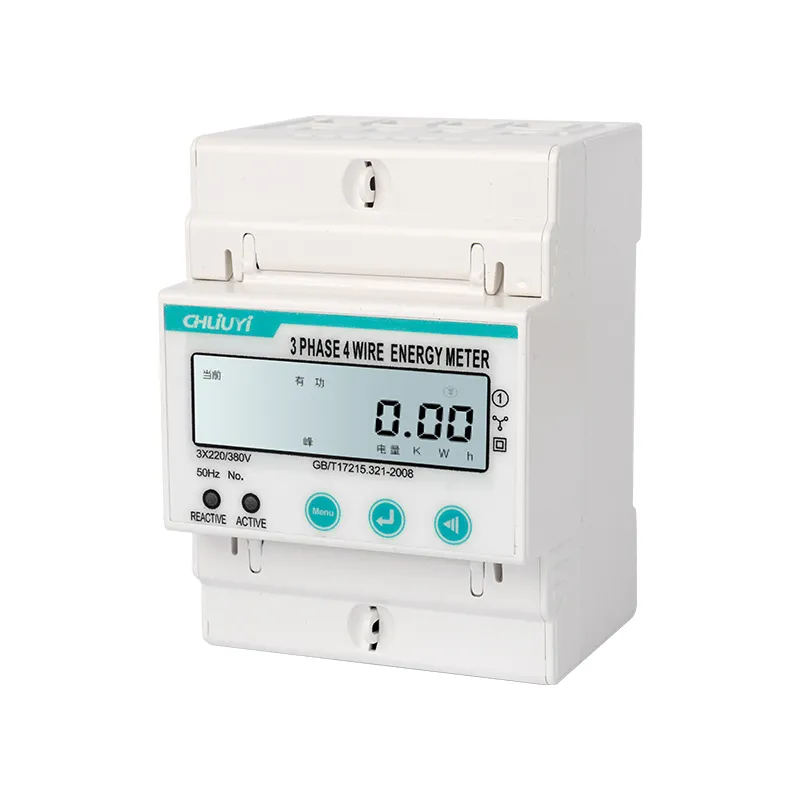
In a Single Phase Smart Energy Meters, the analog front end (AFE) must condition voltage and current signals spanning a dynamic range of 2000:1 or greater while maintaining accuracy better than ±0.5% across the entire measurement spectrum. The anti-aliasing filter (AAF) serves as the critical first-stage protection against frequency components above the Nyquist limit—preventing aliasing […]
We use cookies to enhance your browsing experience, serve personalised ads or content, and analyse our traffic. By clicking "Accept All", you consent to our use of cookies.