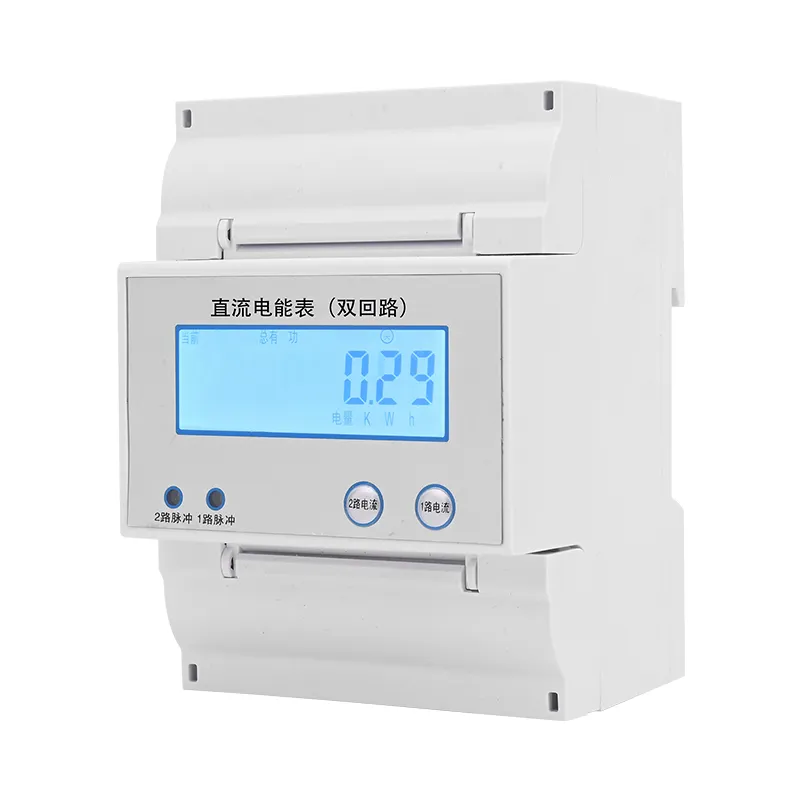
The Core Difference: Single Phase vs. Three Phase Meters
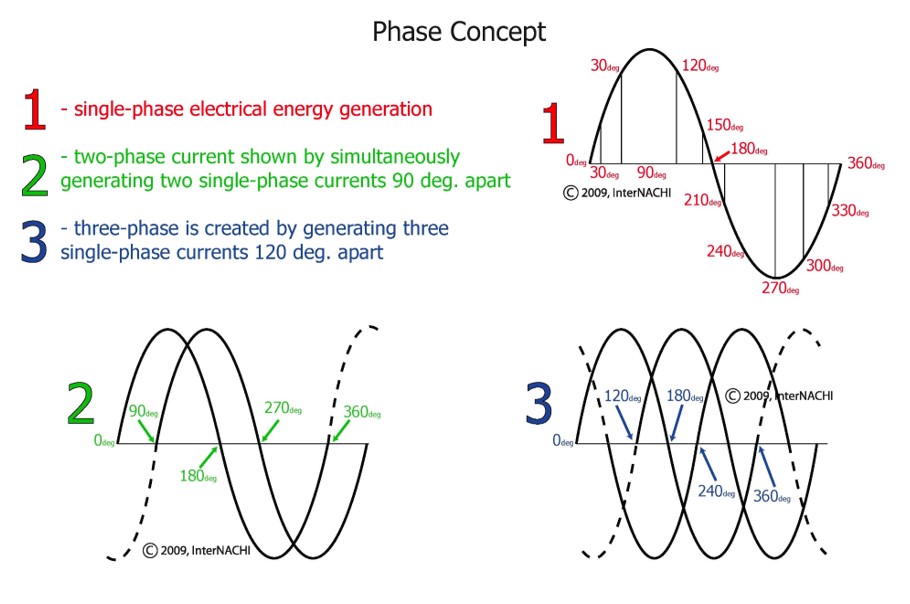
When choosing between a single phase and a three phase energy meter, the voltage, load capacity, and power delivery method are key factors.
Voltage and Load Capacity
Meter Type
Voltage Range
Typical Load Capacity
Application
Single Phase Meter
110V – 230V
Low to medium residential loads
Homes, small offices
Three Phase Meter
400V (3-phase 4-wire)
High industrial and commercial loads
Manufacturing plants, data centers
Single phase meters measure energy on just one phase, making them suitable for lower power demands. In contrast, three phase meters handle higher voltages and larger electrical loads by monitoring all three phases simultaneously.
The “Steady Power” Concept
Three phase systems provide steady, balanced power delivery. Energy consumption is smoother due to overlapping phases, reducing fluctuations seen in single phase systems. This makes three phase meters essential for industries with heavy machinery or critical equipment that require stable power.
Why You Can’t Use a Single Phase Meter
Inaccurate Measurement: Single phase meters cannot track energy accurately across three phases.
Overload Risk: They’re not designed for higher load capacities of industrial setups.
System Compatibility: Single phase meters lack support for current transformer (CT) metering and 3-phase 4-wire connections, limiting their use in advanced applications.
Using a single phase energy meter in a three phase network risks faulty readings, improper billing, and safety hazards.
Single phase meters fit residential or small commercial setups.
Three phase energy meters support industrial kWh metering, multi-function panel meters, and smart electric sub-metering systems designed for voltage and current monitoring across three phases.
Choose the right meter to match your electrical load profiling and voltage requirements.
At Liuyi Electric, our three phase meters ensure accurate, safe, and reliable measurements suited for all industrial and commercial needs.
Technical Classifications: Choosing the Right Configuration
When selecting a three phase energy meter, understanding its technical classifications is crucial for matching your electrical setup and measurement needs. The two main wiring configurations are Three-Phase Three-Wire (3P3W) and Three-Phase Four-Wire (3P4W) systems:
Configuration
Description
Typical Use
3P3W
Three phases without a neutral wire
Industrial loads with balanced systems
3P4W
Three phases plus neutral wire
Commercial buildings, data centers
Connection Methods: Direct vs. CT Operated Meters
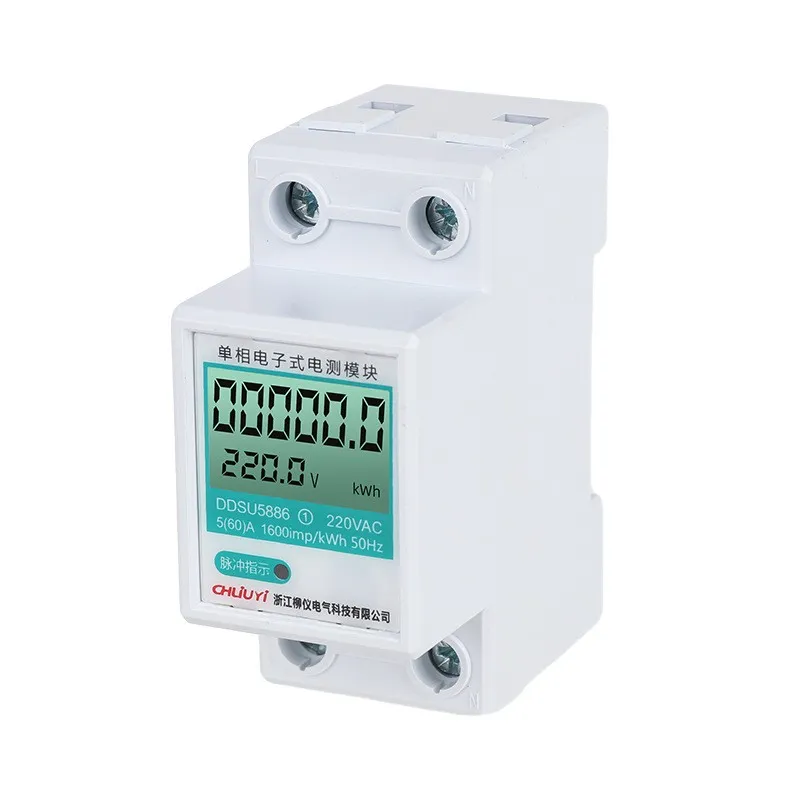
Direct Connected Meters These meters connect straight to the load without external sensors. Ideal for lower currents (up to around 100A), common in smaller commercial settings and simple industrial setups. They feature compact designs like the economical DIN rail mount meters suitable for direct wiring.
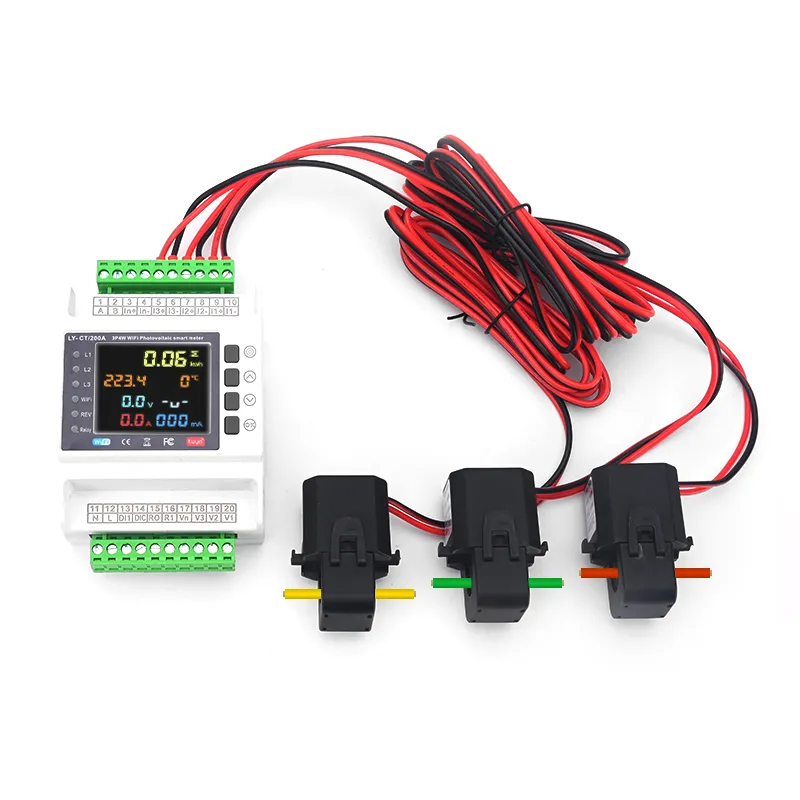
CT Operated Meters (Current Transformer) For higher loads, CT metering is essential. Current transformers step down high current to safe levels so the meter can accurately record energy consumption without the risk of overload. CT meters are widely used in large manufacturing plants and data centers for current transformer (CT) metering.
Both types support active and reactive energy measurement, helping monitor power factor and energy consumption accurately.
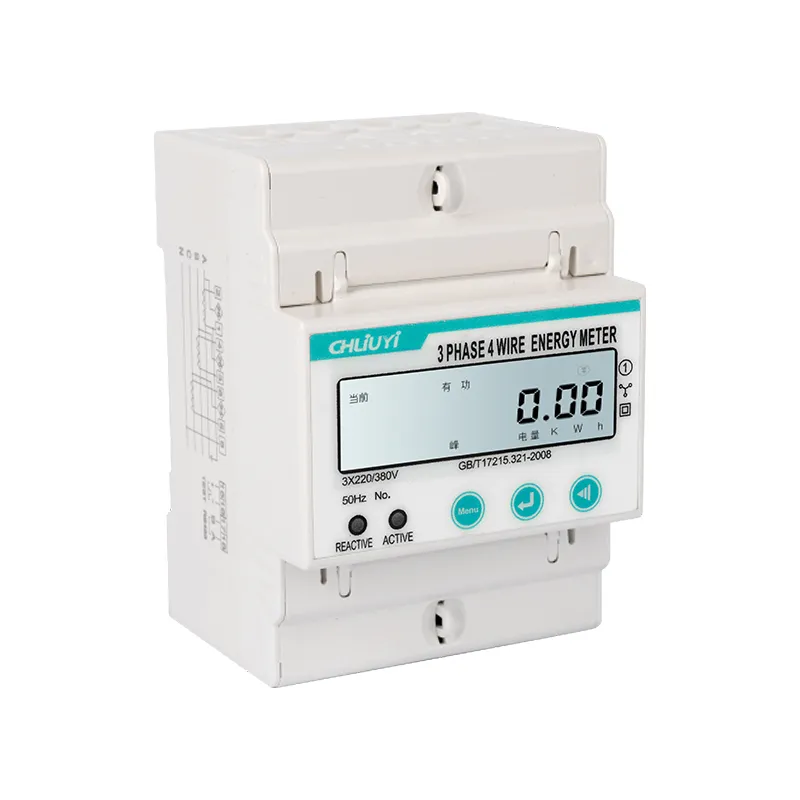
For example, models like the three-phase four-wire transparent energy meter offer advanced CT options and smart communication protocols like Modbus RS485, ideal for integrated Building Management Systems (BMS).
Pick 3P3W if the system is balanced without neutral.
Choose 3P4W when a neutral is required.
Use direct connected meters for low load currents.
Opt for CT operated meters for high load industrial applications.
Matching your meter to the right classification ensures accuracy in electrical load profiling and long-term reliability.
Key Features to Look for in a Modern Three Phase Meter
Choosing the right three phase energy meter means paying attention to a few key features that ensure accuracy, flexibility, and durability for today’s demands.
Feature
What to Look For
Why It Matters
Accuracy Class
Aim for Class 0.5s or better
Precise billing and energy monitoring
Smart Communication
Support for Modbus RS485, Ethernet, or IoT protocols
Easy integration with Building Management Systems (BMS) and remote monitoring
Multi-Tariff Functions
Time-of-Use (TOU) billing options
Manage energy costs with flexible rates
Display Quality
Clear LCD or backlit screens
Easy reading on-site
Durability
DIN rail mount, dust/water resistance (IP ratings)
Long-lasting in industrial environments
A modern three phase meter also supports active and reactive energy measurement and can handle voltage and current monitoring in real time, which helps with electrical load profiling and power factor correction. Many units come as smart electric sub-metering devices, perfect for complex setups.
For example, advanced meters like the LYD5886 three-phase multi-function 4P meter offer high-class accuracy alongside smart communication, making them ideal for industrial kWh meter requirements.
Remember, selecting a meter with these features ensures you get precise readings, easier system management, and the flexibility needed as your energy setup evolves.
Primary Applications and Industries
Three phase energy meters are essential across various industries where accurate energy measurement and efficiency matter. Here’s where they play a critical role:
Manufacturing Plants: Heavy machinery and large electrical loads require precise monitoring with three-phase meters. Industrial kWh meters help track energy consumption and support power factor correction to reduce wasted energy and costs.
Data Centers: Managing power reliably is crucial. Three-phase four-wire connections paired with smart electric sub-metering enable real-time voltage and current monitoring. This ensures uptime and efficient load balancing, which is vital to avoid downtime.
Commercial Real Estate: Large buildings benefit from multi-function panel meters to monitor usage across tenants or departments. Integration with Building Management Systems (BMS) and time-of-use (TOU) tariff functions helps optimize energy spend and profiles electrical loads.
Renewable Energy Integration: Solar farms and other renewable setups rely on three-phase meters with active and reactive energy measurement to manage output and grid interaction. CT operated meters and Modbus RS485 power meters allow for detailed energy data collection and control.
These sectors demand durability, accuracy class 0.5s or better, and modern communication protocols to seamlessly integrate monitoring solutions, making three phase energy meters indispensable.
Installing a three phase energy meter involves more than just snapping it into place. Proper wiring is essential. For example, the common 3-phase 4-wire connection setup requires careful attention to ensure voltage and current lines are correctly matched to avoid misreadings or damage. Always consult detailed wiring diagrams specific to your meter type—whether it’s a direct connected meter or a CT operated (current transformer) meter.
Safety First
Safety must come before anything else. Always turn off power before beginning installation or maintenance. Use insulated tools and verify all connections are tight and secure. Improper wiring or handling can lead to short circuits, inaccurate readings, or pose serious electric shock risks. Don’t overlook grounding and proper panel mounting—these steps protect both the meter and your facility.
Troubleshooting Common Errors
Even after careful installation, you might run into issues like:
Incorrect readings due to phase sequence errors or loose wiring
No display or flickering meters, often caused by unstable power or poor contact
Communication dropouts in smart meters using Modbus RS485 or other protocols
Regularly check connections and confirm meter configuration matches your system’s voltage and load parameters. For advanced models, consult the device’s error codes or user manual. If you’re working within a Building Management System (BMS) integration, ensuring stable data flow is especially important.
For support on installation and reliable digital displays, consider exploring Chliuyi Electric’s range of guide rail AC intelligent digital display meters which offer user-friendly setups and robust performance.
Following these guidelines will help you achieve accurate energy measurement and a safe electrical environment.
Why Liuyi Electric is the Professional’s Choice
When it comes to three phase energy meters, Liuyi Electric stands out for several reasons that professionals trust worldwide.
Quality Assurance
Liuyi Electric delivers industrial kWh meters tested for long-term accuracy and reliability. Their products consistently meet Class 0.5s accuracy standards, ensuring precise voltage and current monitoring essential for both commercial and industrial setups. Every meter undergoes rigorous quality checks to guarantee performance, whether it’s a DIN rail energy meter or a smart electric sub-metering device.
Customization
Understanding that no two projects are the same, Liuyi Electric offers tailored solutions, from 3-phase 4-wire connection models to CT operated meters for higher loads. They provide multi-function panel meters with features like active and reactive energy measurement, power factor correction, and multi-tariff functions such as Time-of-Use (TOU) tariff support. This makes their three-phase energy meters highly adaptable for various Building Management System (BMS) integrations and electrical load profiling needs.
Support & Longevity
Choosing Liuyi means reliable after-sales support and durability in demanding environments like manufacturing plants or renewable energy integration sites. Their commitment to product longevity means fewer replacements and stable performance over years. Plus, their smart communication protocols, including Modbus RS485 power meter compatibility, keep your energy monitoring seamless and future-proof.
A three-phase meter is an instrument used to measure electricity use. It records energy consumption with high accuracy. This type of meter is commonly installed in factories, large commercial buildings, and certain residential properties. Three-phase power systems use three separate current lines. This structure allows them to carry more power and operate more efficiently than […]
Single phase vs three phase are terms that refer to the distribution of electrical loads. In electricity, a phase defines how power is delivered. Single-phase power consists of two wires in an alternating current (AC) circuit, usually one phase wire and one neutral wire, with current flowing between them through the load. Three-phase power, however, […]
Are you searching for a practical solution to monitor and manage electricity use in your facility? Electric smart meters might be the answer. Today, we’ll explore what electric smart meters are, how they work, the types and features industrial users care about, and give you all the advice you need to make an informed purchase. […]
We use cookies to enhance your browsing experience, serve personalised ads or content, and analyse our traffic. By clicking "Accept All", you consent to our use of cookies.