Blog
What Is Undervoltage Causes Effects and Best Protection Solutions
Learn what undervoltage is its causes effects and how to protect your electrical systems with reliable undervoltage protection devices and solutions.
Read More
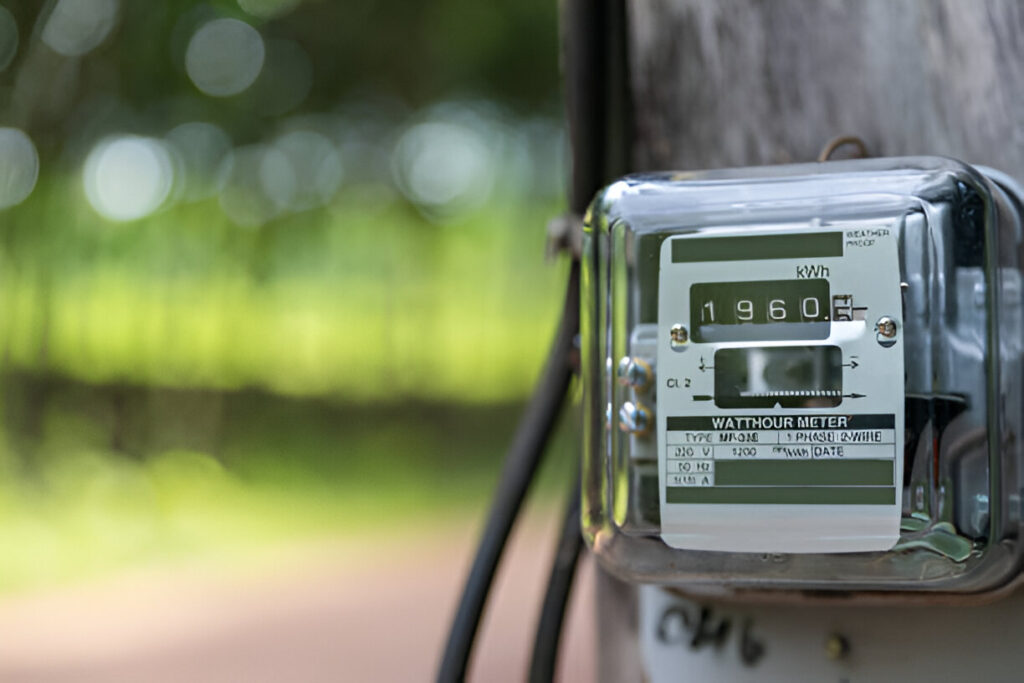
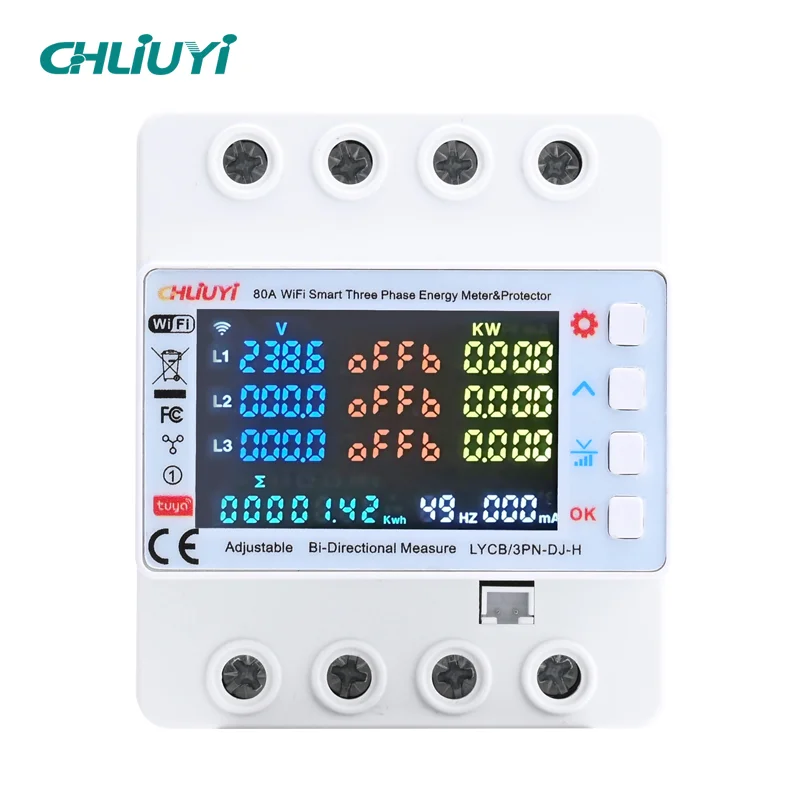
An electricity meter is the device which measures the electricity your household has consumed over time, typically measuring in kilowatt hours or kWh also known as units.
Usually, the size of domestic electricity meters is around 6 inches in width, by up-to 6 inches in height and often have a digital display on the front although older models may still use analogue dials or a clock style interface.
Many people want to know where their electricity meter is located. The answer depends on your type of home.
If you live in a house, your meter is often under the stairs, in a cupboard, or near the front door. Sometimes, it may be above or next to the door. In a few cases, meters are in the basement, but they are usually placed somewhere easy for your energy provider to access for readings.
For those in flats or apartments, the meter is often outside in a shared area. It is usually grouped with other meters and marked with a number to show which flat or apartment it belongs to.
If you are still unable to find your electricity meter, ask your landlord or contact your energy supplier. Suppliers usually have records of meter locations and can assist you in finding it.
Most electricity meters in homes are square boxes mounted on a wall. They usually have an LCD screen showing six numbers. Newer meters are often white with a plastic front and may have a small red light that blinks.
Older meters might be black or silver. Some have clock-like dials or rolling number displays, similar to old car odometers. These older types are less common now.
In some rare cases, the meter may be round instead of square.
Typically, electricity meters are about 6 inches wide and up to 6 inches tall, but the size can vary, especially with newer models.
There are two main types of electricity meters. You can find out which type you have by looking at the front of your meter.
Digital electricity meters have an LCD screen or a rolling number display. They show numbers as digits, and sometimes the last one or two digits are in red—these can be ignored when reading the meter.
Analogue electricity meters look different but always have clock-style dials on the front. The number of dials and the direction they turn can vary. Analogue meters are becoming less common as digital meters replace them.
Knowing how to read your electricity meter helps you give accurate readings to your supplier and check your bills.
If your meter has a display button, press it to see the current reading. Some meters change the display automatically, so just wait for the numbers to appear.

For Economy 7 meters, you’ll see two rows of numbers. Write down both rows from left to right. One row shows your day rate, and the other shows your night rate. You may need to calculate these separately.
If you have an analogue meter with dials, read the dials from left to right. Each dial turns in the opposite direction to the one before it. If the pointer is between two numbers, record the lower one. If it’s between 9 and 0, write down 9 and subtract one from the previous dial’s reading.

This way, you can keep track of your electricity use and make sure your bills are correct.
Smart meters are designed to make tracking your electricity use easier and can help you save money.
A smart meter replaces your old electricity meter. It measures your electricity use just like a digital or analogue meter.
Alongside the meter, you get a smart energy monitor. This device shows your current energy usage in a spot you can easily check at home. It helps you see how much electricity you’re using throughout the day.
The smart meter updates the monitor with real-time data. It also sends your usage information and meter readings directly to your energy supplier using a built-in 3G connection.
Some homes cannot have a smart meter if there is no 3G coverage in the area.
Even if you have a smart meter, it’s a good idea to check and record your readings from time to time. Since smart meters are still a new technology, they may sometimes have errors or issues.
The easiest way to find your electricity meter number is by checking a recent bill from your energy supplier. It is usually shown clearly, often at the top right-hand side of the bill.
If you do not have a bill, you can also find the meter number directly on your electricity meter. Look for a unique number, often located at the bottom of the meter’s face. This number may be up to ten digits, or in some regions, you may see a 21-digit number called the MPAN (Meter Point Administration Number), with the 13 digits at the bottom being most important for identification.
If you still cannot find your meter number, you can call your electricity supplier. They will be able to provide you with the correct meter number for your property.
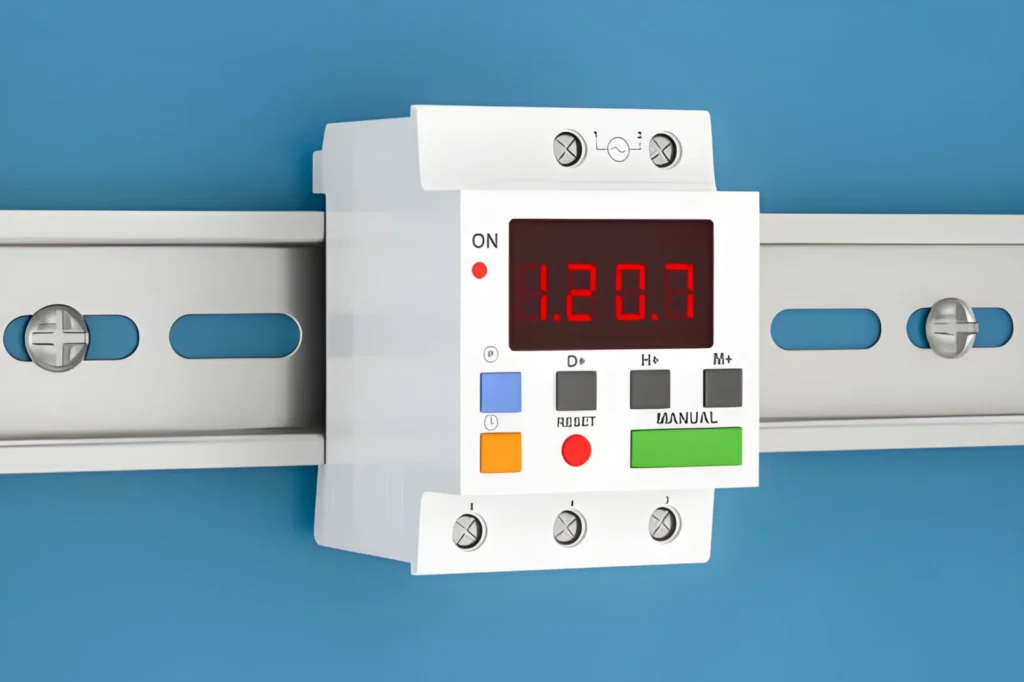
Learn what undervoltage is its causes effects and how to protect your electrical systems with reliable undervoltage protection devices and solutions.
Read More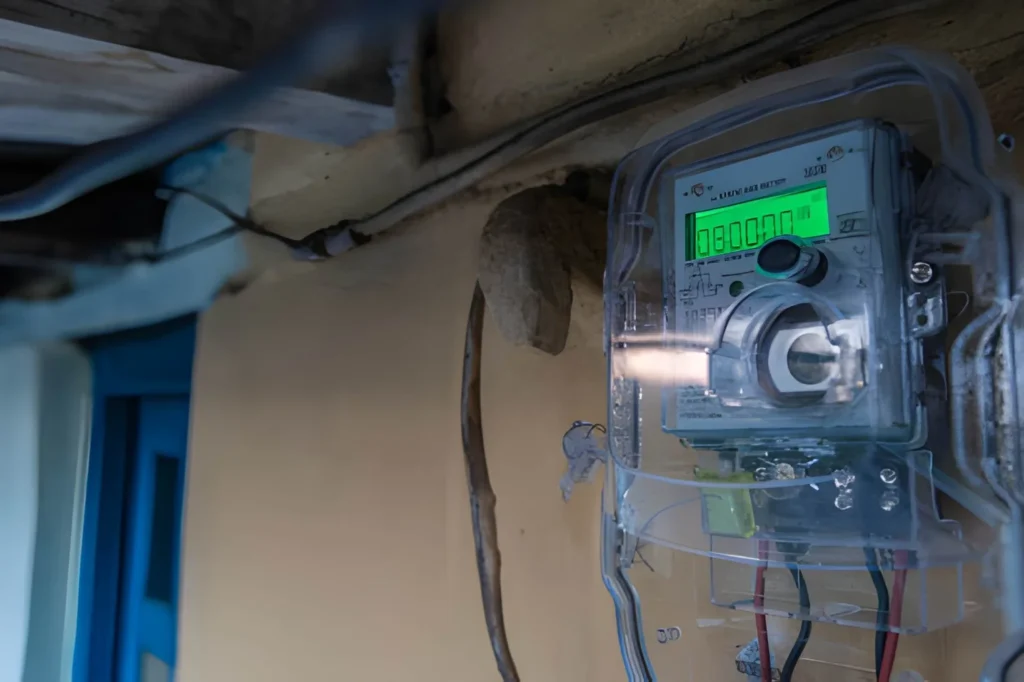
How Electricity Energy Meters Work The Basic Principle: Voltage and Current Measurement Electricity energy meters measure the amount of electrical energy consumed by monitoring voltage and current flowing through a circuit. This measurement is essential for calculating energy usage accurately. The meter continuously tracks the voltage (the electrical potential) and the current (the flow of […]
Read More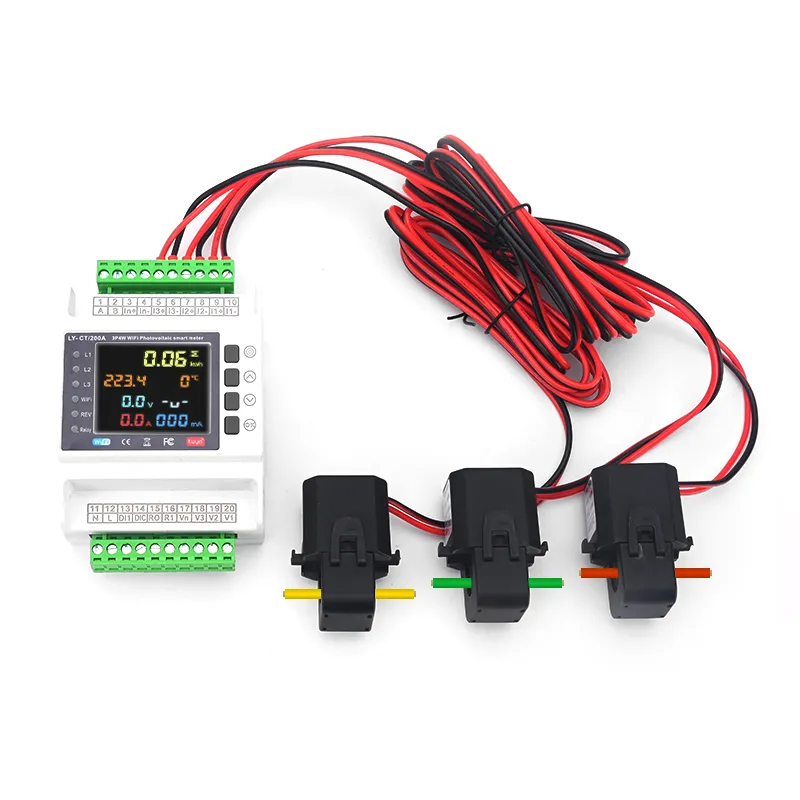
Discover the Intelligent Reclosing Protector with smart fault detection overvoltage protection WiFi control and automatic circuit recovery for enhanced safety.
Read More