Accurate energy monitoring is critical for modern factories. Explore how the right industrial energy meter, including DC energy meters for factories and customizable options, ensures precise readings, efficient operations, and seamless OEM integration.
Industrial energy meters are essential for modern factories aiming to optimize energy consumption, monitor equipment performance, and integrate with automation systems. Choosing the right DC energy meter for factories or customizable industrial energy meter ensures precise readings and reliable performance across production lines, OEM panels, and industrial devices.
Selecting an unsuitable meter or overlooking critical specifications can result in inaccurate data, energy inefficiency, and integration challenges with factory automation or energy management systems. This guide helps engineers, procurement managers, and OEM partners understand industrial energy meters, compare options, evaluate real-world applications, and make informed decisions.
Understanding Industrial Energy Meters in Modern Factories
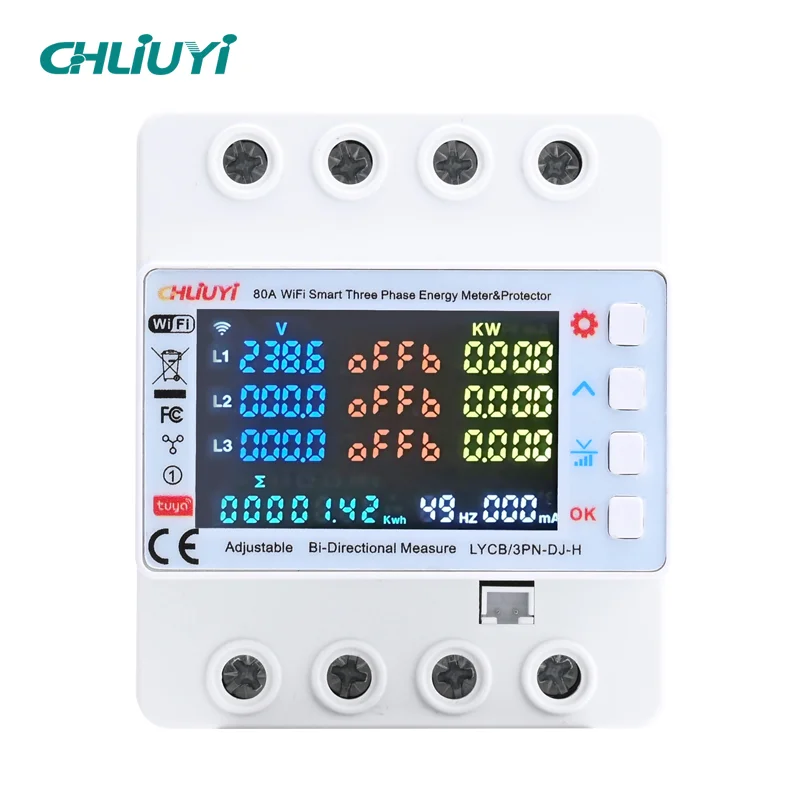
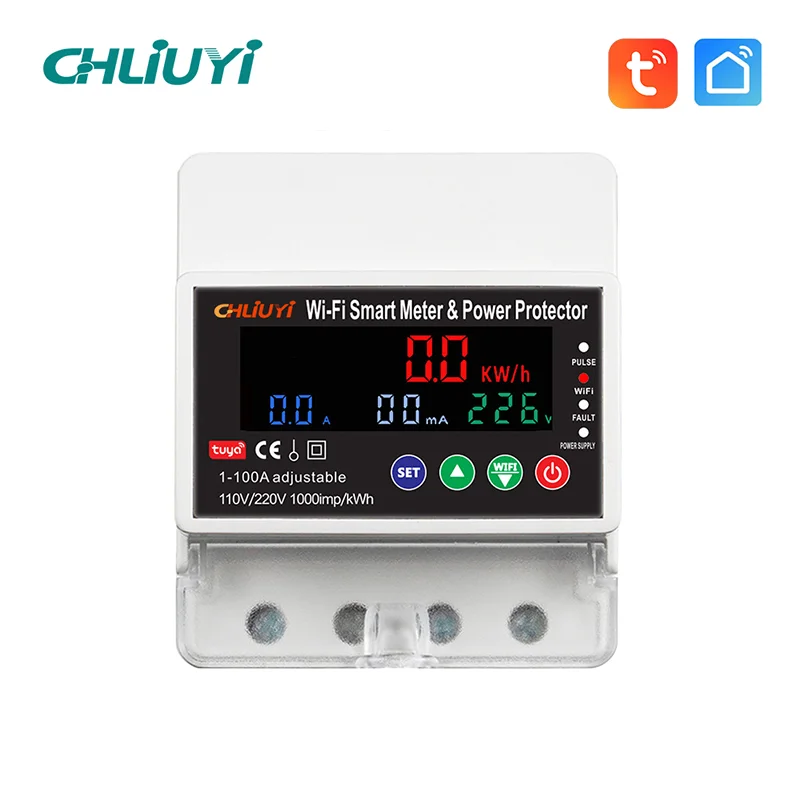
Industrial energy meters measure electrical energy consumption in industrial settings. They can monitor DC, AC, or both, depending on the facility’s needs. Smart energy meters also provide remote monitoring, data logging, and integration with energy management platforms.
Key considerations include:
Measurement Type: DC or AC, single-phase or three-phase
Functionality: Basic energy tracking versus smart data collection
Integration: Compatibility with factory automation and monitoring software
Accurate measurement is vital for production cost management, energy optimization, and proactive equipment maintenance. Misreading energy usage may cause unexpected downtime or higher operational costs.
Key Specifications That Matter for Accurate Energy Monitoring
Understanding specifications helps select the most suitable meter for industrial applications.
Specification
Description
Why It Matters
Accuracy Class
±0.5%, ±1% typical
Ensures reliable energy readings
Measurement Range
Current and voltage range supported
Handles the facility’s electrical load
Communication Interface
RS485, Modbus, Ethernet
Enables integration with energy management systems
Data Logging
Built-in memory or cloud connection
Critical for analysis and reporting
Customizability
OEM labeling, firmware adjustments
Supports factory-specific requirements
For factories requiring specific integration or OEM panels, meters that allow customization provide greater flexibility without compromising accuracy.
Real-World Applications: From Production Lines to OEM Panels
Industrial energy meters support various applications, helping factories gain actionable insights:
Application Scenario
Recommended Meter Features
Notes / Considerations
Production Line Monitoring
DC or AC meter, real-time logging
High sampling rate tracks energy spikes per machine
Equipment Power Tracking
Smart meter with remote readout
Integrates with PLCs for automated monitoring
Energy Management System Integration
Ethernet/Modbus enabled smart meters
Centralized reporting for multiple devices
OEM Panel Integration
Customizable, OEM firmware and labeling
Ensures seamless installation and branding
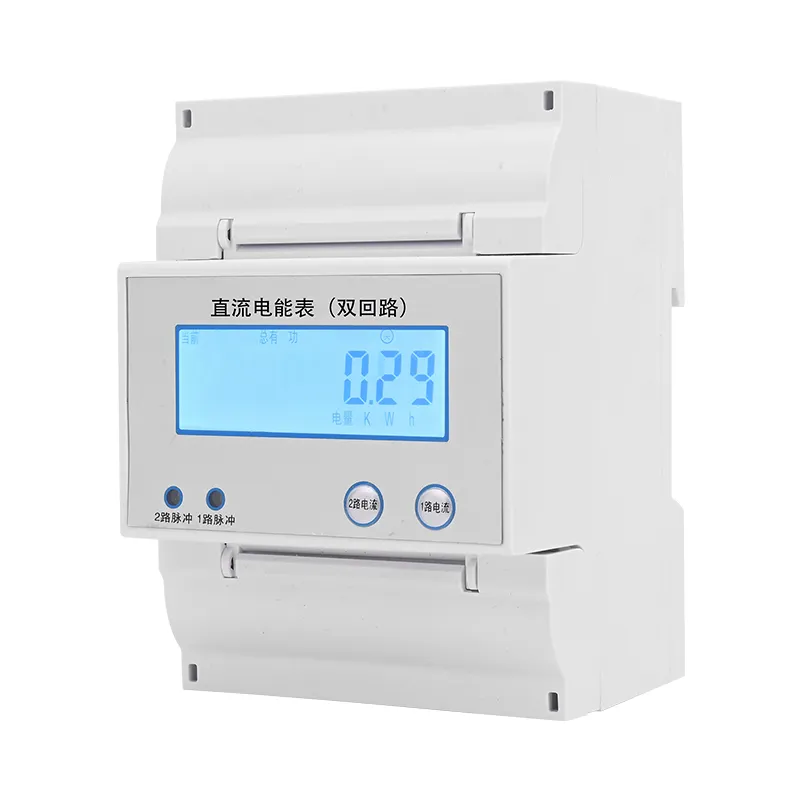
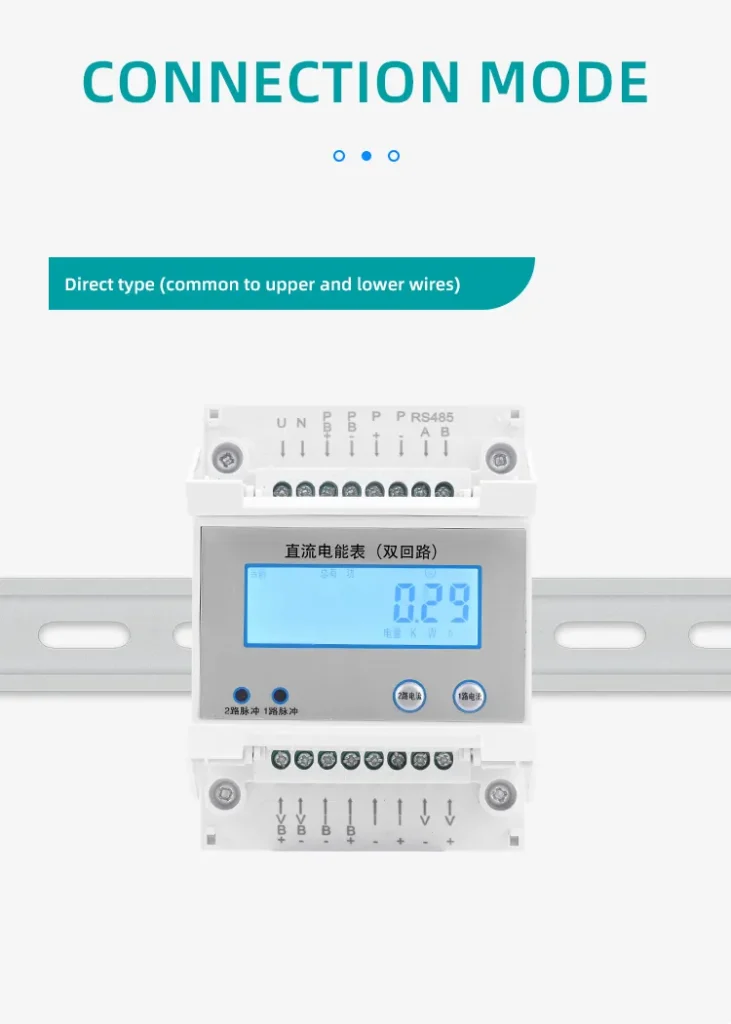
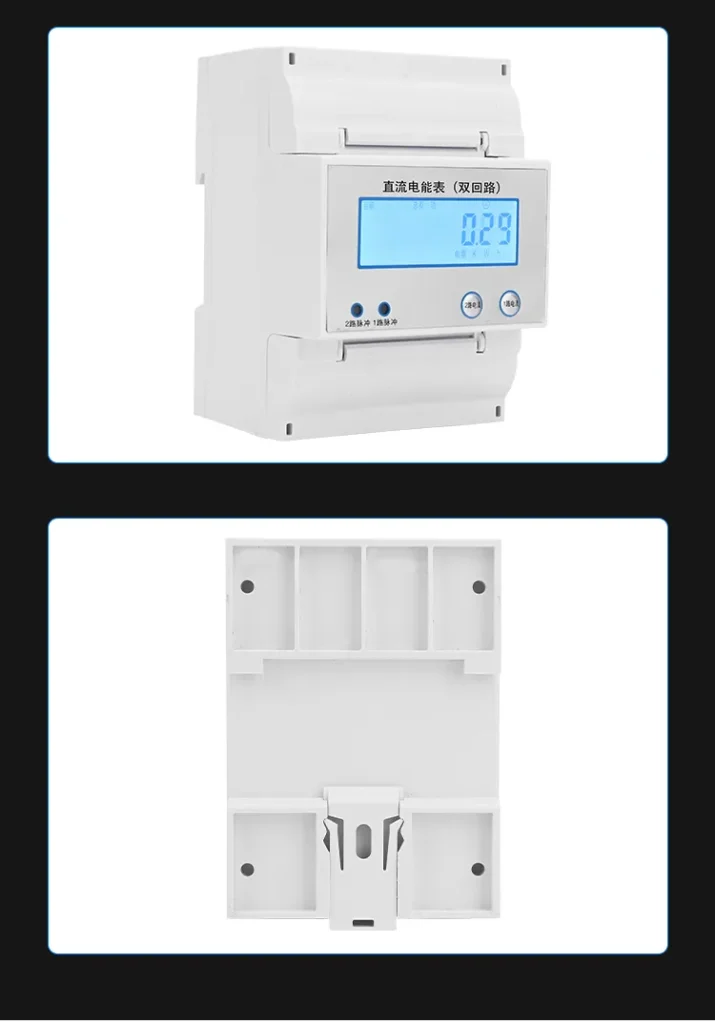
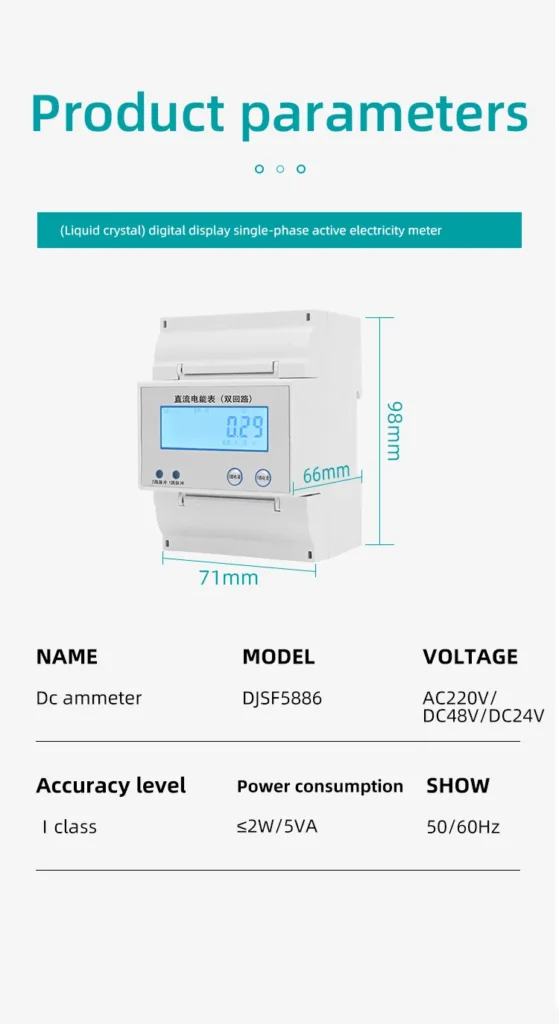
For factories seeking tailored energy monitoring, our DC energy meter supports OEM integration with precise data collection, suitable for production lines and custom control panels.
How to Choose the Right Industrial Energy Meter for Your Needs
Selecting an industrial energy meter involves evaluating load type, accuracy requirements, communication capabilities, and customization options:
Load Type and Measurement Range: Ensure meter capacity matches expected voltage and current.
Required Accuracy: Higher precision is necessary for energy optimization or billing.
Communication Needs: Decide if integration with SCADA or cloud platforms is required.
Customization Requirements: Determine if OEM branding or firmware adjustments are needed.
Selection Criteria
Considerations
Load & Phase
Single-phase vs three-phase, AC vs DC
Accuracy
±0.5% for high-precision monitoring, ±1% for general industrial usage
Communication Interface
RS485/Modbus for PLC, Ethernet for networked monitoring
Customization
OEM firmware, labeling, or panel integration
By carefully evaluating these factors, engineers and procurement teams can select meters that meet operational needs and long-term energy monitoring objectives.
CTA: Review our DC energy meter specifications to confirm compatibility with your production setup, or contact our team for a customized solution.
FAQ
What is an industrial energy meter and how does it work?
An industrial energy meter measures electrical energy consumption in industrial equipment. It can track AC or DC power and integrate with monitoring systems for real-time data.
How to choose between DC and AC industrial energy meters?
Select DC meters for motors, battery systems, or specialized equipment, and AC meters for general factory power distribution. Consider load type, accuracy, and communication needs.
Can I customize an industrial energy meter for OEM use?
Yes. Many meters support OEM labeling, firmware adjustments, and panel integration for factory-specific requirements.
Which parameters are most important for selecting a smart energy meter?
Accuracy class, measurement range, data logging capabilities, and communication interfaces are the primary factors.
How can industrial energy meters integrate with factory monitoring systems?
Meters with RS485, Modbus, or Ethernet interfaces can connect to PLCs, SCADA systems, or cloud platforms for centralized monitoring and reporting.
Are there benefits to using smart meters over basic models?
Smart meters provide real-time monitoring, data logging, and remote access, helping factories optimize energy usage and detect anomalies early.
Defining the DIN Rail Power Meter A DIN rail power meter is an electronic device designed to measure electrical energy consumption and power parameters, specifically built to mount on a standard 35mm DIN rail inside electrical distribution boards or panels. This mounting system is widely recognized in industrial and commercial electrical setups, providing a secure […]
A three-phase meter is an instrument used to measure electricity use. It records energy consumption with high accuracy. This type of meter is commonly installed in factories, large commercial buildings, and certain residential properties. Three-phase power systems use three separate current lines. This structure allows them to carry more power and operate more efficiently than […]
Understanding electrical phases helps explain how power is delivered and used in different places. Put simply, an electrical phase is a way of dividing and supplying electric power. This matters most when comparing single-phase and three-phase systems, since these are the two most common methods of power distribution. This article explains how three-phase electric meters […]
We use cookies to enhance your browsing experience, serve personalised ads or content, and analyse our traffic. By clicking "Accept All", you consent to our use of cookies.