Decoding the Device: How Electrical Energy Consumption Meters Actually Work
Understanding how an electrical energy consumption meter works is key to managing and optimizing power use efficiently. At its core, this device measures the amount of electrical energy consumed over time, typically expressed in kilowatt-hours (kWh). But to do that accurately, the meter relies on several important metrics:
Voltage (V): The electrical potential difference supplied to your equipment.
Current (I): The flow of electricity through the circuit.
Power Factor (PF): The phase difference between voltage and current, critical for real-time power monitoring and correcting inefficiencies.
Energy over time (kWh): This is the cumulative energy consumption that helps track how much energy a system uses.
Analog vs. Digital Meters
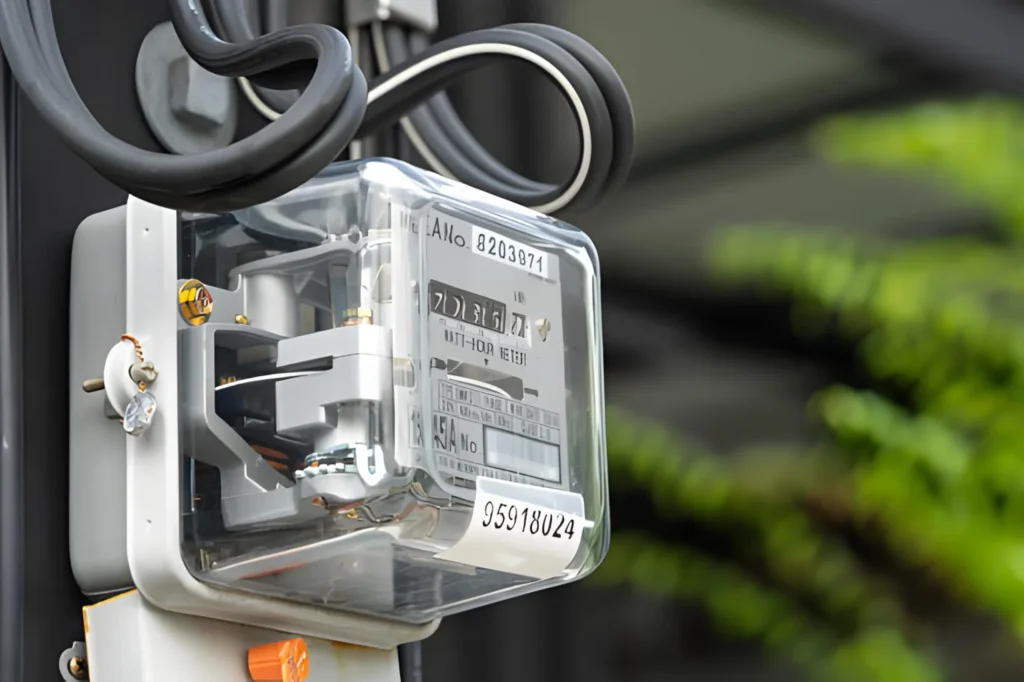
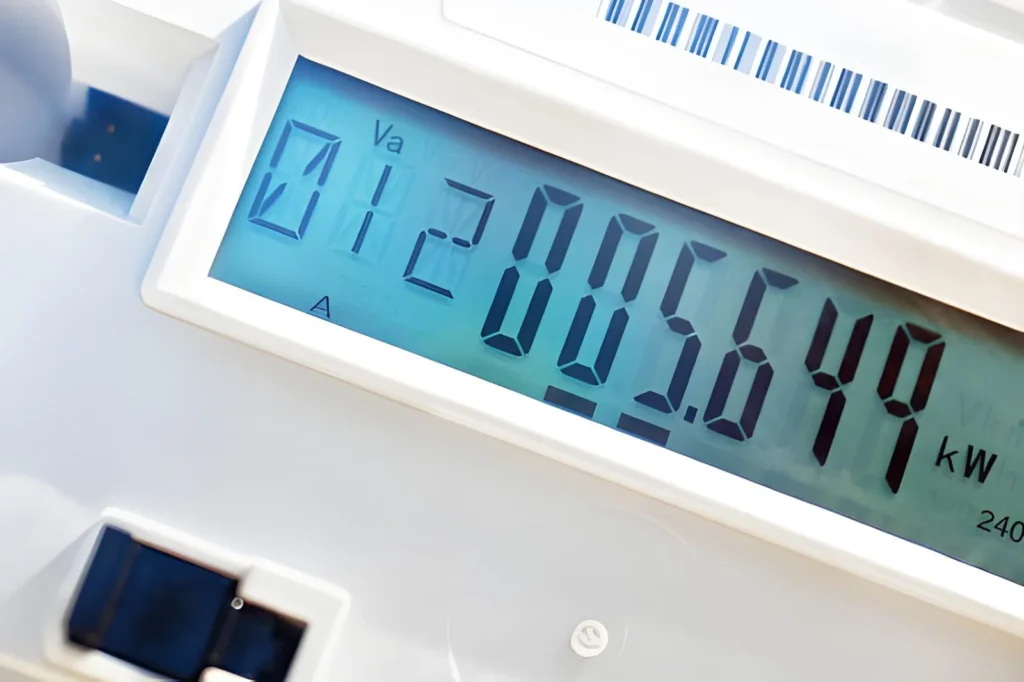
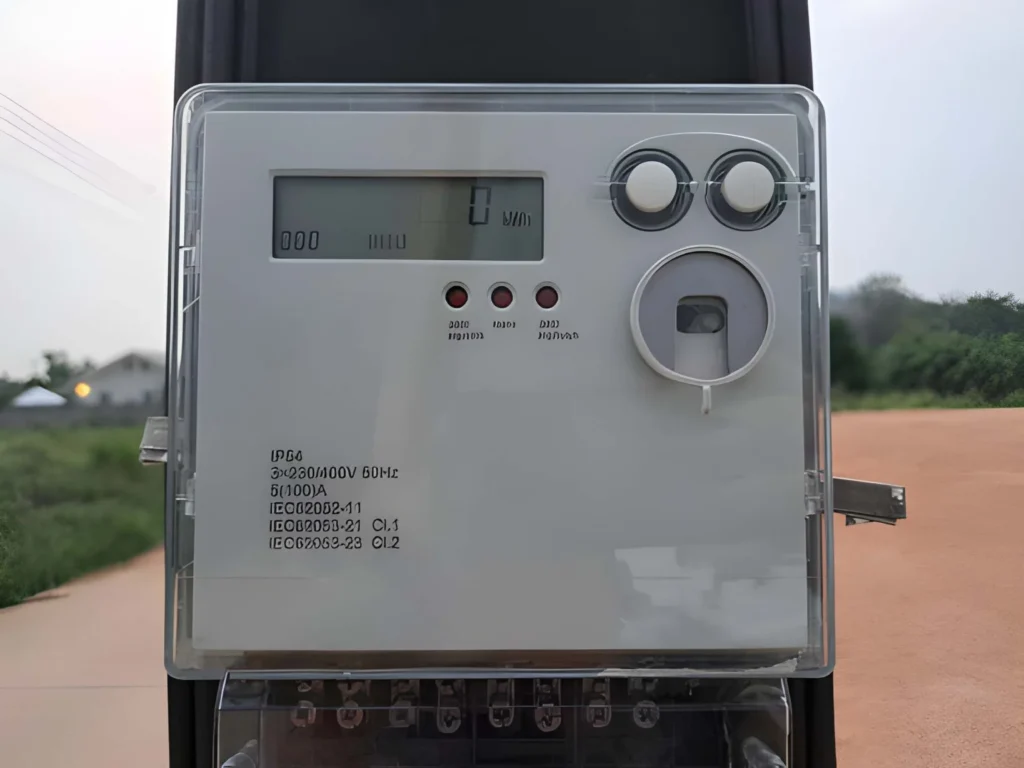
Traditional analog meters use mechanical spinning disks to record energy consumption, offering basic readings but limited data on power quality. On the other hand, digital meters provide precise measurements, multi-function data, and often support communication protocols like Modbus RS485 for remote monitoring and integration into smart systems.
Why Accuracy Class Matters
Accuracy class defines how close the meter’s readings are to the actual consumption. A higher accuracy class ensures reliable billing and performance monitoring, which is essential whether you’re a homeowner tracking electricity usage or an industrial facility managing peak load.
At Liuyi Electric, we prioritize meters with top-tier accuracy to give you trustworthy, detailed insights into your energy use, helping you make informed decisions and improve energy efficiency.
Types of Energy Meters: Finding the Fit for Your Circuit
Choosing the right electrical energy consumption meter depends on your specific circuit and power setup. Here’s a quick guide to the main types:
Meter Type
Description
Typical Use Cases
Key Benefits
Single-Phase Meter
Measures energy in single-phase circuits.
Homes, small offices, light loads.
Simple, cost-effective, easy setup.
Three-Phase Meter
For three-phase power systems.
Industrial plants, large buildings.
Handles high loads, balances phases.
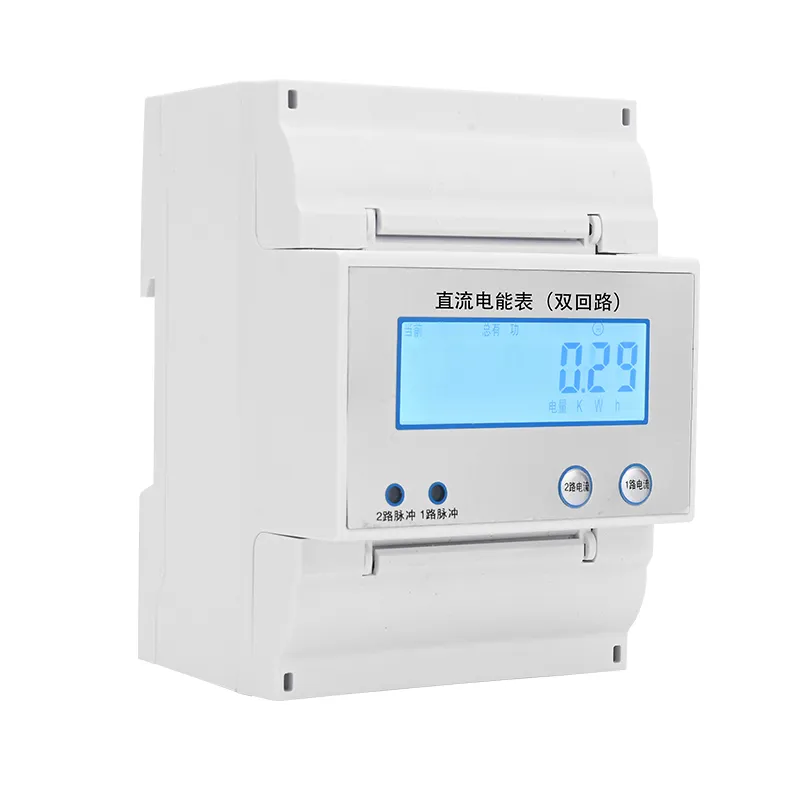
DIN-Rail Mounted Meter
Designed to fit on DIN rails inside control panels.
Factories, control rooms, modular setups.
Space-saving, easy integration, neat wiring.
Smart/IoT Energy Meter
Equipped with communication capabilities for remote monitoring.
Single-phase meters are your go-to for typical residential or small commercial setups. They monitor voltage, current, and energy consumption in simpler electrical installations efficiently and accurately.
Three-Phase Meters and Use Cases
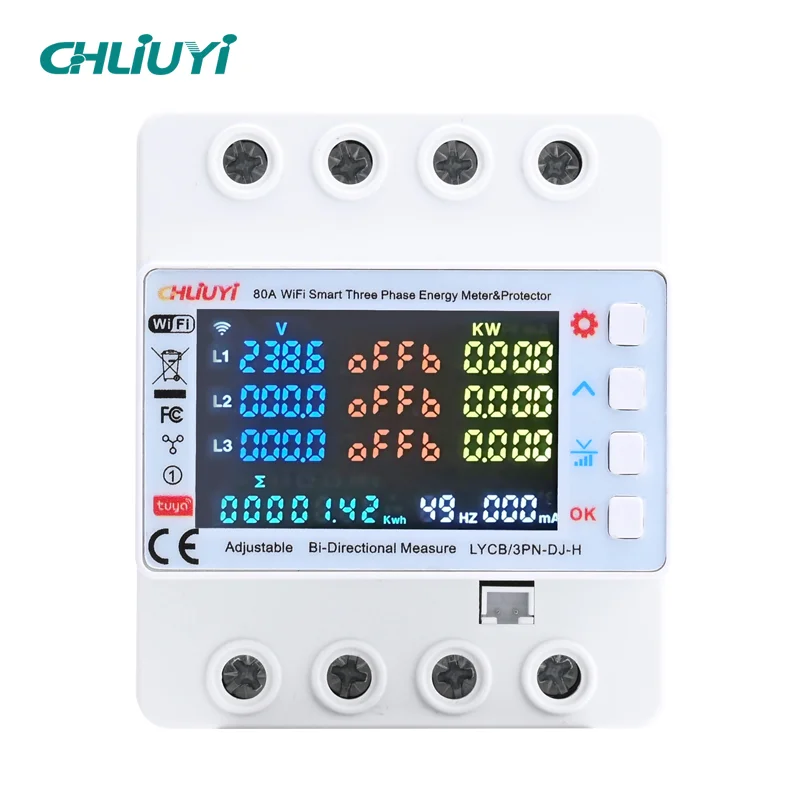
Three-phase meters cater to businesses and industrial environments where multiple phases supply power. These meters provide detailed insights into each phase, ensuring load balancing and peak load management.
DIN-Rail Mounted Meters Benefits
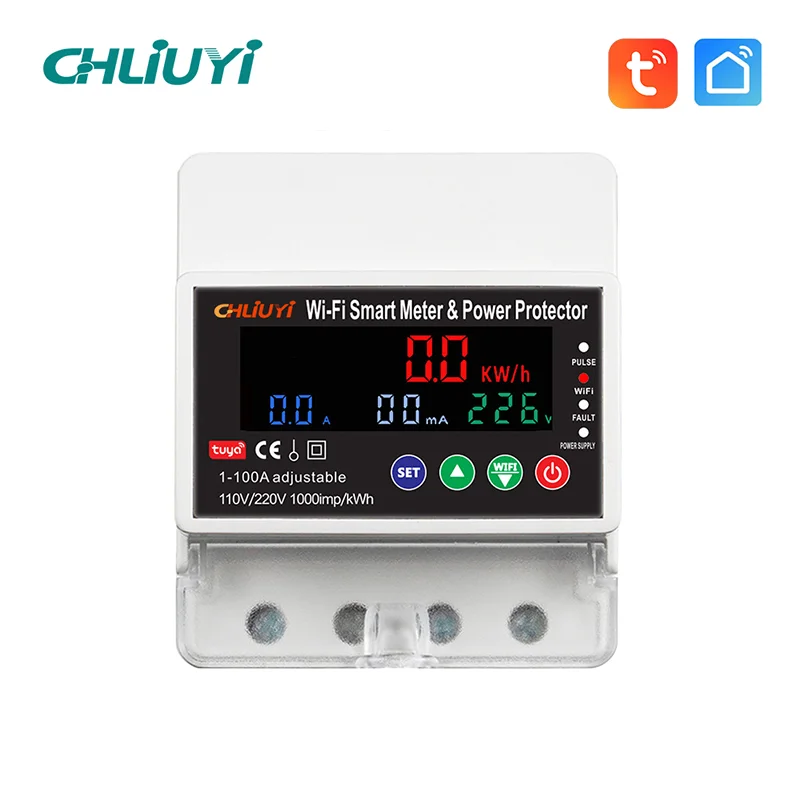
If your installation demands a compact, organized setup, DIN-rail energy meters fit perfectly inside panel boards. They save space and simplify wiring, making maintenance and upgrades easier.
Smart/IoT Energy Meters
The latest in energy metering, smart meters use protocols like Modbus RS485 to enable real-time power monitoring and remote data collection. They support better energy efficiency audits and smart grid integration for modern energy management needs.
For detailed hardware design of single-phase smart meters, you can check this guide on anti-aliasing filter and sampling circuit design for smart energy meters, ensuring you choose the best fit for your application.
Key Features to Look for in a Professional Electrical Energy Consumption Meter
When choosing an electrical energy consumption meter, several key features ensure it meets your needs efficiently and reliably.
Feature
What to Look For
Why It Matters
Communication Protocols
Modbus RS485, Pulse Output
Enables remote monitoring and integration with building management or industrial control systems. For example, many smart energy meters use Modbus RS485 communication for seamless data transfer.
Multi-Function Measurement
Measures voltage, current, power factor, kWh and more
Understanding power factor helps improve energy efficiency beyond just tracking usage in kWh. Multi-function meters provide a fuller picture of electrical performance.
Durability & Safety Standards
Compliance with IEC, UL, or local safety certifications
Guarantees reliable operation under different conditions and protects users and equipment from electrical hazards.
Data Retention & Non-Volatile Memory
Stores historical usage data even during power cuts
Essential for accurate billing, energy audits, and tracking usage trends without data loss.
By focusing on these features, you ensure your meter not only tracks electricity consumption but also supports effective energy management and safety. For robust options tailored to advanced power monitoring, explore professional-grade DC energy meters with multi-functional measurement suitable for various applications.
Strategic Applications: Who Needs These Meters?
Electrical energy consumption meters serve a wide range of users beyond just homeowners. Landlords and property managers rely heavily on sub-metering solutions to monitor and bill tenants accurately for their actual electricity usage. This setup helps avoid disputes, encourages energy-saving habits, and improves overall building management.
For industrial facility managers, these meters are crucial for peak load management. By tracking real-time power consumption and power factor, they can optimize operations, reduce energy wastage, and lower demand charges. Accurate energy data makes it easier to plan maintenance and schedule high-power equipment use strategically.
Solar and renewable energy owners benefit from advanced meters with bi-directional metering capabilities. These smart energy meters measure both energy consumption and production, making them essential for monitoring solar panel output and feeding surplus power back into the grid. This ensures precise tracking of energy flows and supports net metering policies.
By choosing the right meter, whether a basic kilowatt-hour (kWh) meter or a sophisticated smart energy meter with advanced communication protocols, users across different sectors can improve energy efficiency and reduce costs.
For example, our range of three-phase four-wire energy meters is specially designed to handle industrial and commercial needs with reliable accuracy and smart features.
Installation and Safety Considerations
Installing an electrical energy consumption meter isn’t just about plugging it in. To ensure accuracy and safety, professional installation by certified electricians is essential. They know how to interpret wiring diagrams and follow manufacturer instructions closely, avoiding common wiring errors that could lead to faulty readings or hazards.
One critical part of installation is selecting the right Current Transformer (CT) size. Proper CT sizing ensures the meter accurately matches your circuit’s load, whether it’s for a small home or a large industrial setup. Using the wrong CT can cause measurement errors or damage equipment.
Always rely on approved wiring layouts designed for your specific meter type—whether single-phase or three-phase—and make sure all connections meet local electrical standards. This careful approach protects your investment and keeps your monitoring system reliable.
For detailed options on single-phase meters and their installation, check out the specialized single-phase active electricity meters designed for easy integration and exact readings.
Why Liuyi Electric is the Trusted Choice for Metering
Liuyi Electric stands out in the electrical energy consumption meter market thanks to its engineering excellence, wide product range, and strong customer support. Here’s why professionals worldwide prefer their meters:
Feature
Why It Matters
Rigorous Testing & Calibration
Ensures top accuracy for reliable kWh measurement and power monitoring. Every meter meets strict standards before leaving the factory.
Versatile Product Range
From single-phase electric meters to three-phase multifunction models, suitable for various circuits and industries.
Trusted Communication Protocols
Supports Modbus RS485 and pulse output for smooth integration into existing systems and smart energy monitoring setups.
Dedicated Customer Support
Technical guidance and after-sales service make installation, troubleshooting, and upgrades hassle-free.
Compliance & Safety
Meters meet global durability and safety certifications, ensuring peace of mind in demanding environments.
Choosing Liuyi Electric means reliable, accurate, and durable energy meters tailored to the needs of landlords, industrial managers, and renewable energy owners alike. Their commitment to quality and innovation makes them a trusted name in global sub-metering solutions and real-time power tracking.
To check an electricity meter, find the display and note the numbers from left to right. Skip any red digits or decimals. Then subtract your last recorded reading from the current one to get the kilowatt-hours (kWh) used. That difference is what your utility uses to bill you. The device itself—whether a digital screen, a […]
This guide helps engineers, procurement managers, and OEM partners understand industrial energy meters, compare options, evaluate real-world applications, and make informed decisions.
Single Phase Smart Energy Meter: Advanced Hardware Architecture and Metrology Design The Single Phase Smart Energy Meter represents a sophisticated integration of analog signal conditioning, mixed-signal microcontroller design, and precision metrology algorithms—far beyond simple mechanical metering devices. Rather than presenting only surface-level information, this comprehensive guide explores the architectural foundations, circuit-level implementations, and digital signal […]
We use cookies to enhance your browsing experience, serve personalised ads or content, and analyse our traffic. By clicking "Accept All", you consent to our use of cookies.