The Basic Principle: Voltage and Current Measurement
Electricity energy meters measure the amount of electrical energy consumed by monitoring voltage and current flowing through a circuit. This measurement is essential for calculating energy usage accurately. The meter continuously tracks the voltage (the electrical potential) and the current (the flow of electric charge) to determine real power consumed over time.
Units of Measurement: Kilowatt-hour (kWh) Explained
The standard unit used by electricity energy meters is the kilowatt-hour (kWh). One kWh equals the consumption of 1,000 watts of power over one hour. For instance, if a device uses 100 watts continuously for 10 hours, it will consume 1 kWh of energy. This unit gives both utilities and consumers a clear picture of energy use for billing and management.
Internal Components: Current Sensors, Processing Unit, Display
Modern electricity meters consist of several key components:
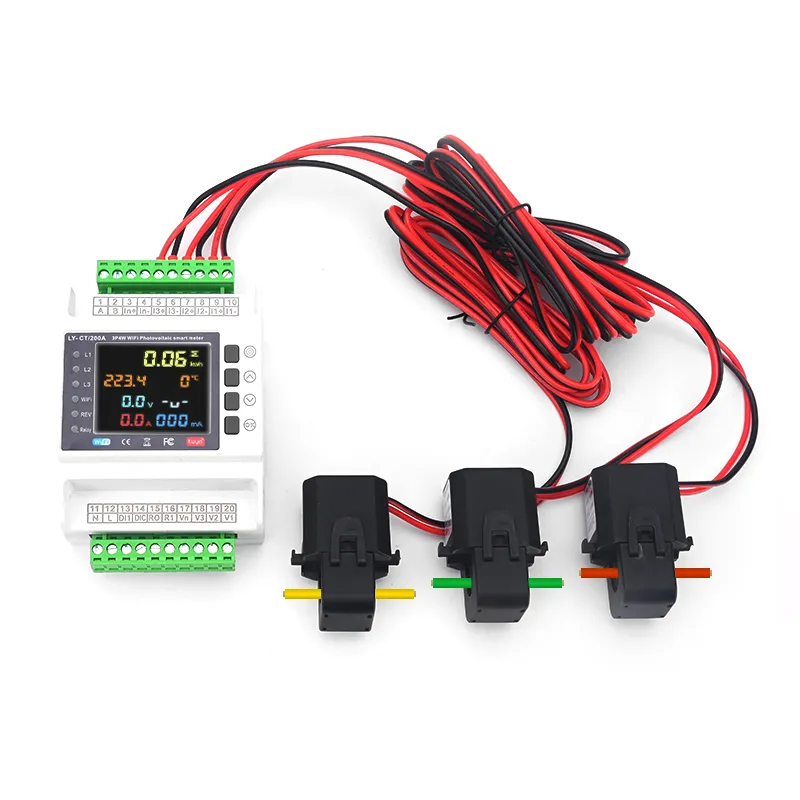
Current Sensors: Usually shunt resistors or current transformers (CT), these sensors detect the electrical current flowing through the supply line.
Processing Unit: The brain of the meter, often a microcontroller, it calculates power consumption by processing voltage and current signals.
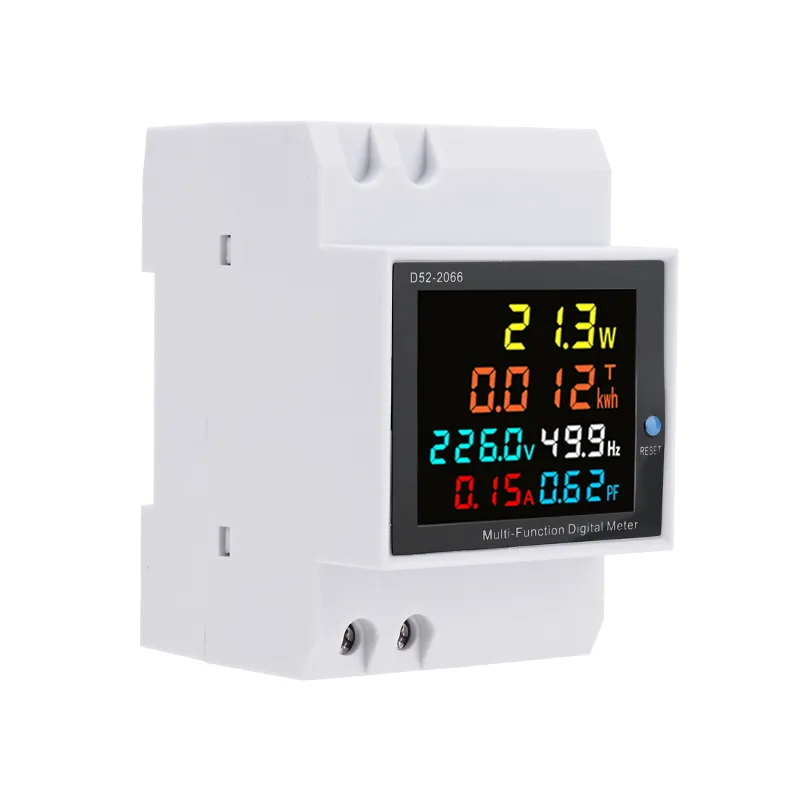
Display: Shows the real-time measurement of energy consumed in kWh, often using digital LCD or LED screens in static and smart meters.
Together, these elements ensure accurate and reliable measurement of energy consumption whether in a simple single-phase electric meter or a more complex three-phase power measurement system.
Classification: Types of Energy Meters
Electricity energy meters come in different types based on their technology, phase, and payment mode, helping users choose what fits their needs best.
By Technology
Electromechanical Meters: Traditional kWh meters with spinning discs that measure energy. They’re reliable but less precise and lack digital features.
Static Meters: Digital meters without moving parts, offering higher accuracy and easier integration with electronic systems.
Smart Meters (AMI): Advanced Metering Infrastructure meters provide real-time monitoring, remote reading, and two-way communication, ideal for modern energy consumption monitoring and grid management.
By Phase
Single-Phase Meters: Designed for residential or small commercial use, measuring single-phase power supply. For example, a single-phase electric meter is widely used for homes and small businesses.
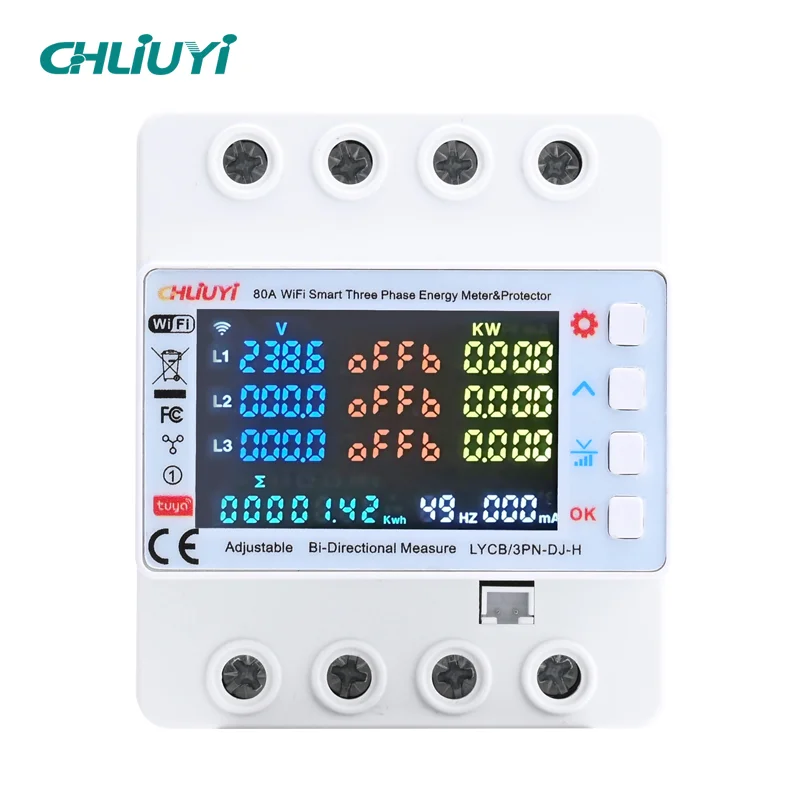
Three-Phase Meters: Used in larger commercial or industrial settings where three-phase power is required. They handle more complex power loads and offer three-phase power measurement for accuracy. Check out our three-phase smart meter for scalable energy solutions.
By Payment Mode
Post-paid Meters: Measure usage, and customers pay after consumption, typical for most utility billing.
Prepaid Electricity Meters: Allow users to buy credit upfront, helping manage energy budgets and prevent bill shocks.
Choosing the right classification depends on your specific energy usage pattern, budget management needs, and desired technology benefits.
Key Features to Look for in a Quality Electricity Energy Meter
When choosing an electricity energy meter, certain features ensure accuracy, security, and flexibility for your energy monitoring needs.
Accuracy Class: How Precise Is Your Meter?
Meters come with accuracy classes indicating their measurement precision. Common classes include:
Accuracy Class
Typical Use
Measurement Error Range
Class 1.0
Standard residential/commercial
±1%
Class 0.5s
Higher precision needed
±0.5%, with stricter limits
Class 0.2s
Industrial/critical applications
±0.2%, excellent reliability
Higher accuracy classes mean better billing fairness and detailed energy consumption data. Precision is key for modern digital static meters and smart meters.
Anti-Tamper Functions: Protecting Your Energy Data
Anti-tamper features help prevent fraud and loss by blocking common manipulation methods:
Magnetic Interference Protection: Detects and alerts when strong magnets try to disrupt the meter.
Reverse Current Prevention: Prevents reverse flow readings, which can skew usage data.
These functions maintain integrity, especially in prepaid electricity meters where security is vital.
Communication Protocols: Stay Connected and In Control
Effective data transfer is essential for remote reading and smart metering solutions. Common protocols include:
RS485/Modbus: Widely used in industrial and commercial meters for reliable wired communication. (Explore industrial-grade RS485 Modbus energy meter options for robust setups.)
LoRaWAN/NB-IoT: Long-range wireless communication ideal for smart grid applications.
PLC (Power Line Communication): Uses existing power lines to transmit data without extra wiring.
Choosing a meter that supports your preferred communication protocol ensures seamless integration with your energy management system.
Multi-Tariff Capabilities: More Control Over Energy Costs
Meters with multi-tariff or Time of Use (TOU) metering functionality separate peak and off-peak energy consumption, enabling:
Accurate billing based on time-of-day rates.
Encouragement of energy use during cheaper periods.
Better management of load and cost savings.
This is especially useful in smart metering solutions for both residential and commercial users wanting detailed consumption monitoring.
Selecting a meter with these key features—accuracy, anti-tamper safeguards, smart communication protocols, and multi-tariff support—sets you up for reliable, secure, and flexible energy management. For high-quality options focusing on digital precision and connectivity, check out our range of guide rail AC intelligent digital display meters.
Installation and Safety Standards
When installing an electricity energy meter, understanding wiring configurations is crucial. Meters can be connected directly for low-current systems or use a Current Transformer (CT) operated connection for higher loads. CT connections safely measure current without passing the full load through the meter, making them ideal for three-phase power measurement or industrial setups.
Environmental protection is another key factor. Quality meters come with IP54 or IP65 ratings, ensuring durability against dust, moisture, and outdoor elements. This guarantees reliable performance whether the meter is installed indoors or outside.
Compliance with international standards like IEC 62053 and IEC 62052 is essential. These certifications ensure the kWh meter meets accuracy, safety, and performance requirements. Choosing meters that meet these standards supports safer installations and dependable energy consumption monitoring.
Smart electricity energy meters play a crucial role in boosting energy efficiency by providing real-time monitoring of electricity use. This instant data helps users spot high consumption patterns and make informed decisions to reduce waste. For businesses and homeowners alike, seeing exactly when and how power is used encourages smarter habits that save money and energy.
On a larger scale, smart meters enable better grid management. Utilities can balance loads more effectively, preventing outages and reducing strain on the power network during peak hours. This dynamic control supports a more stable, reliable energy supply.
Another important benefit is electrical sub-metering, especially in multi-tenant buildings. Sub-meters track individual units’ consumption so landlords can allocate costs fairly. This transparency promotes energy accountability and helps tenants control their bills.
For those interested, smart metering solutions like the single-phase smart electricity meter offer excellent options for accurate real-time data and easy integration into modern power grids, supporting efficient energy consumption and management worldwide.
Why Choose Liuyi Electric?
When it comes to electricity energy meters, Liuyi Electric stands out for several solid reasons:
Precision Engineering and Manufacturing Quality
Accurate Measurements: Designed with high-precision components to ensure reliable kWh meter readings.
IEC Compliant: Meets strict IEC 62053 and IEC 62052 standards for performance and safety.
Consistent Performance: Advanced quality controls guarantee every meter performs flawlessly, whether it’s a single-phase electric meter or a three-phase power measurement device.
Customization for Regional Voltage and Communication Needs
Voltage Adaptation: Liuyi Electric meters can be tailored to fit different voltage levels worldwide, ensuring compatibility in local grids.
Communication Protocols: Supports RS485/Modbus, LoRaWAN, NB-IoT, and PLC, allowing seamless integration into smart metering solutions and AMI systems.
Flexible Solutions: Whether you need a prepaid electricity meter or a digital static meter with multi-tariff capabilities, Liuyi Electric caters to diverse needs.
Durability: Components for Harsh Electrical Environments
Robust Build: Designed to withstand electromagnetic interference, extreme temperatures, and humidity.
Anti-Tamper Features: Includes protections against magnetic tampering, reverse current, and bypass attempts for secure energy consumption monitoring.
Environmental Ratings: Many models come with IP54 or IP65 ratings for indoor and outdoor use, ensuring long-term durability.
Feature
Benefit
IEC standard meters
Certified accuracy and safety
Current transformer (CT) connection
Supports high-load environments
RS485 Modbus energy meter
Easy integration with grid systems
Time of Use (TOU) metering
Enables cost-saving energy use
For more technical specs or to explore Liuyi Electric’s range of options like the single-phase electronic electrical measurement module, you can rely on their tailored, durable solutions that fit your power grid management and monitoring needs with precision.
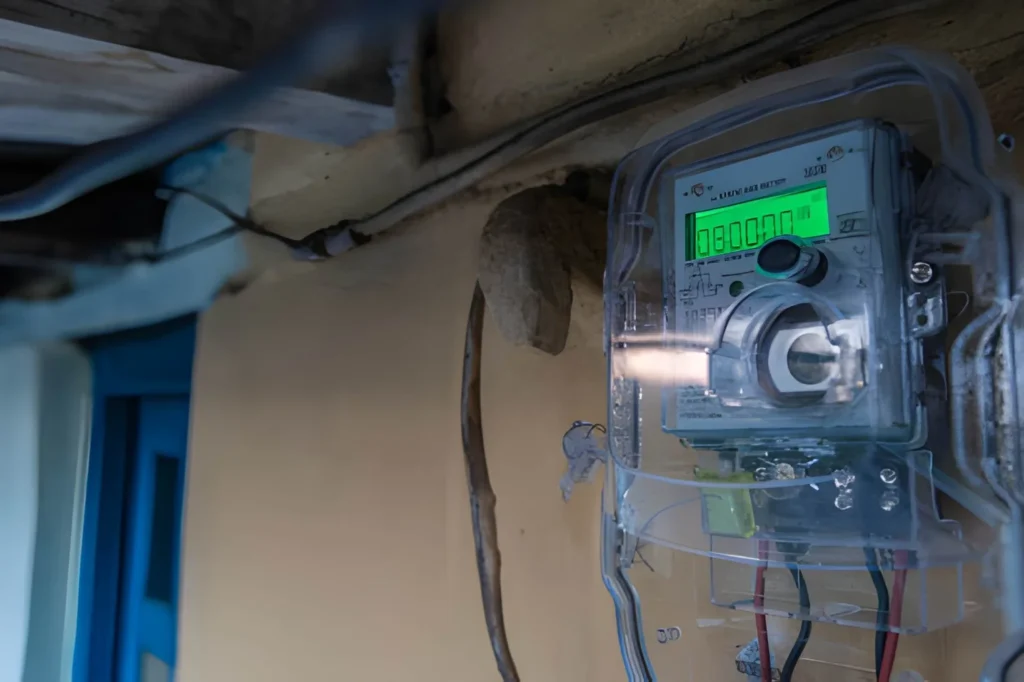
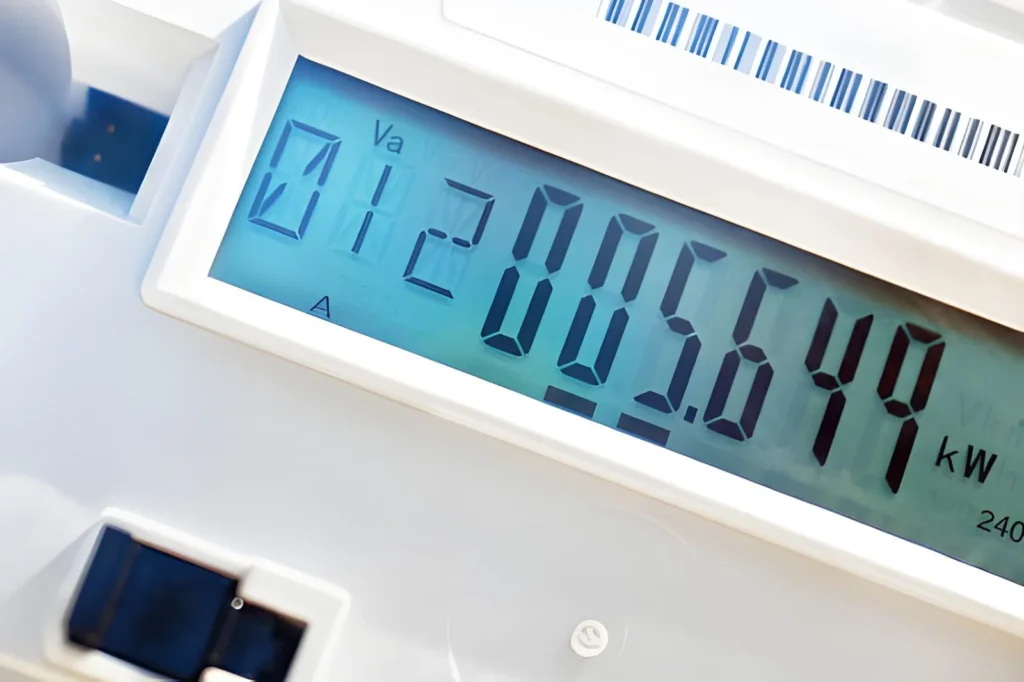
To check an electricity meter, find the display and note the numbers from left to right. Skip any red digits or decimals. Then subtract your last recorded reading from the current one to get the kilowatt-hours (kWh) used. That difference is what your utility uses to bill you. The device itself—whether a digital screen, a […]
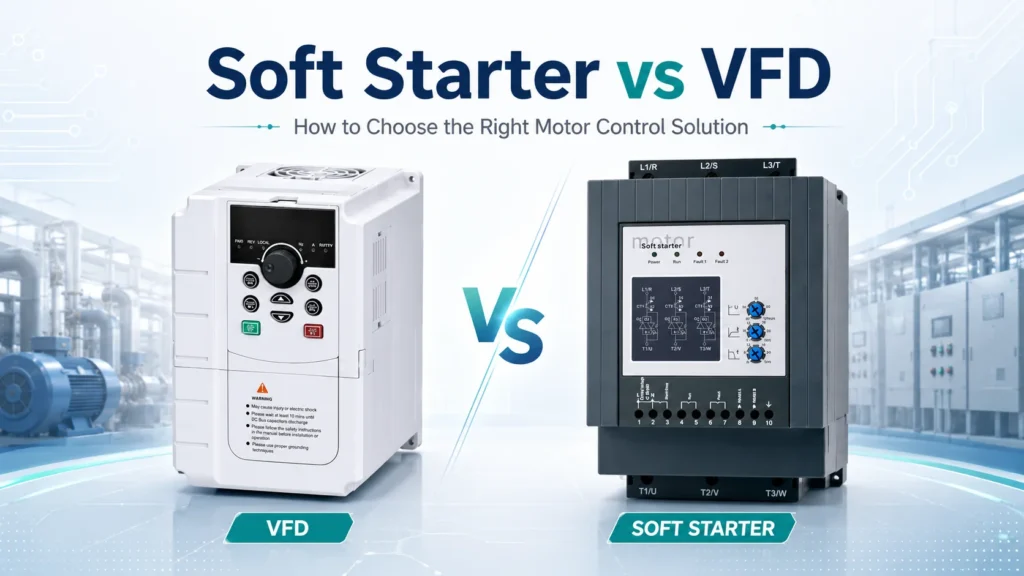
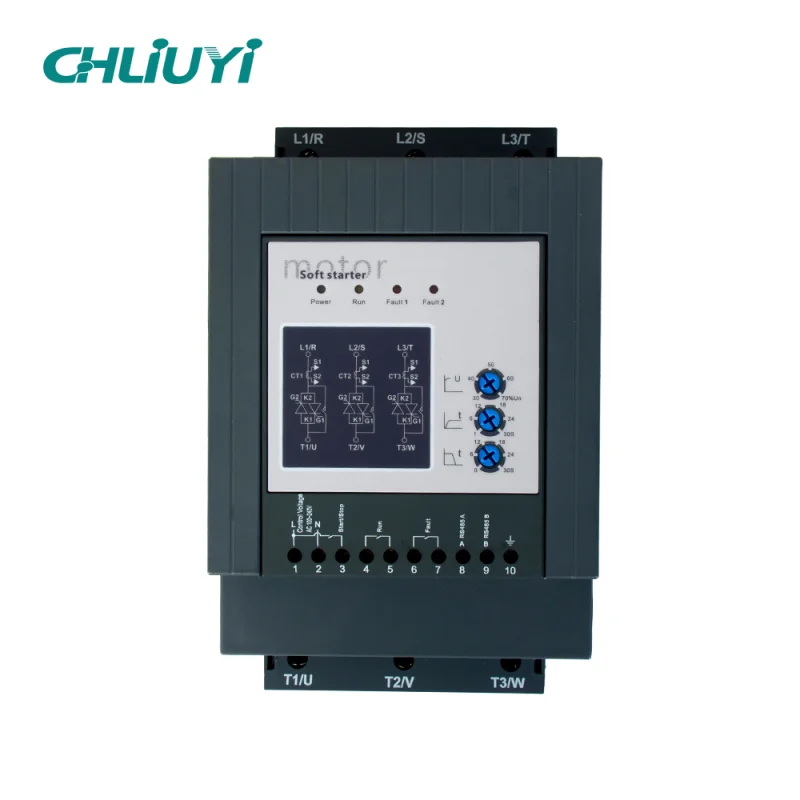
Learn the practical difference between a soft starter and a VFD. Compare speed control, startup performance, energy use, cost, and the best applications for each motor control solution.
Discover the Intelligent Reclosing Protector with smart fault detection overvoltage protection WiFi control and automatic circuit recovery for enhanced safety.
We use cookies to enhance your browsing experience, serve personalised ads or content, and analyse our traffic. By clicking "Accept All", you consent to our use of cookies.