Have you ever wondered where your electricity budget really goes each month—and how electric power meters can finally give you a clear answer? Electric power meters have become essential tools for factories, commercial buildings, and smart homes that want accurate energy data instead of rough estimates and surprises on the bill. In this blog, we will explore what electric power meters do, how to choose the right type, and how you can use them to save energy, reduce downtime, and support long‑term growth.
What Are Electric Power Meters?
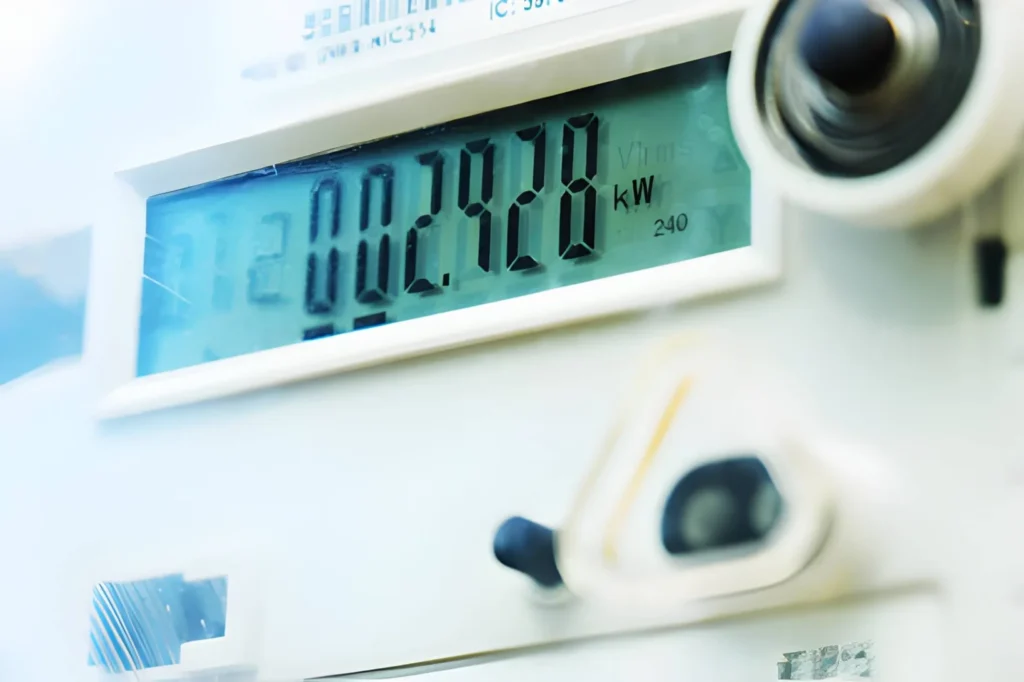
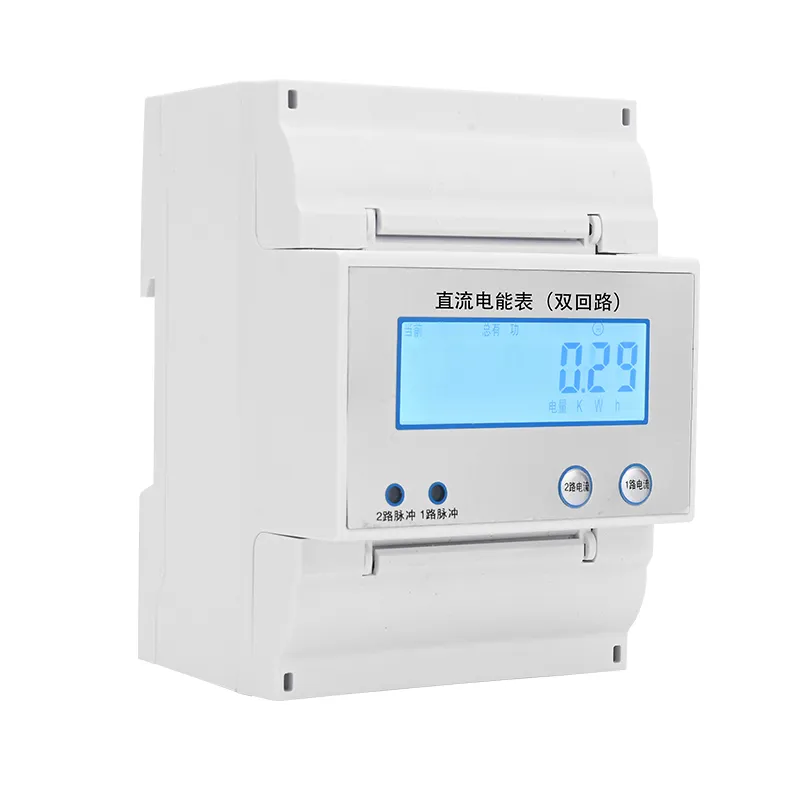
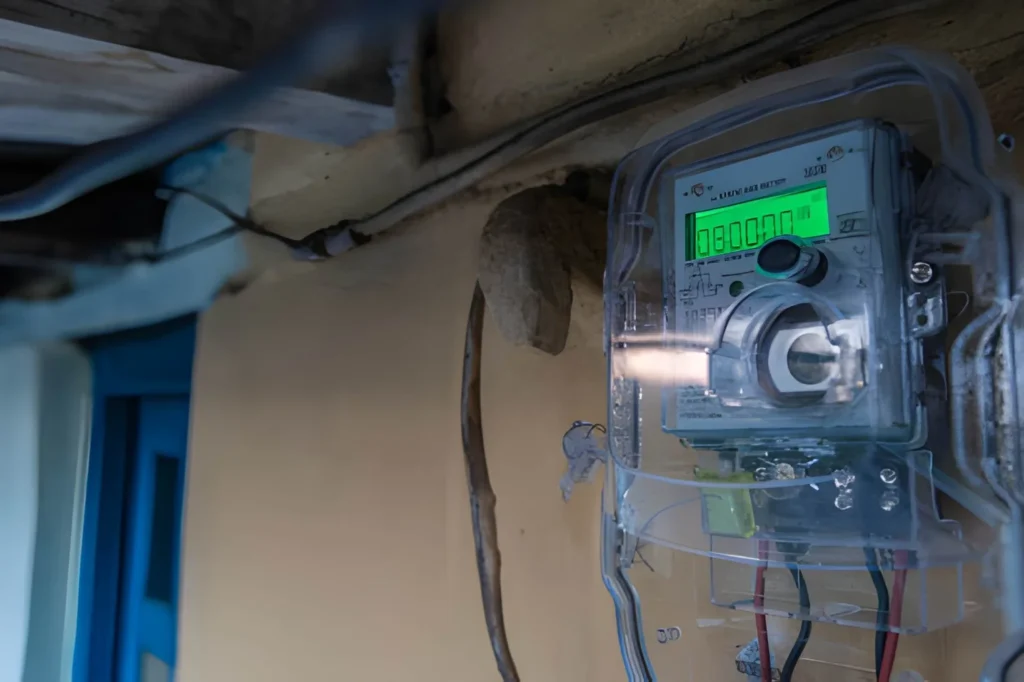
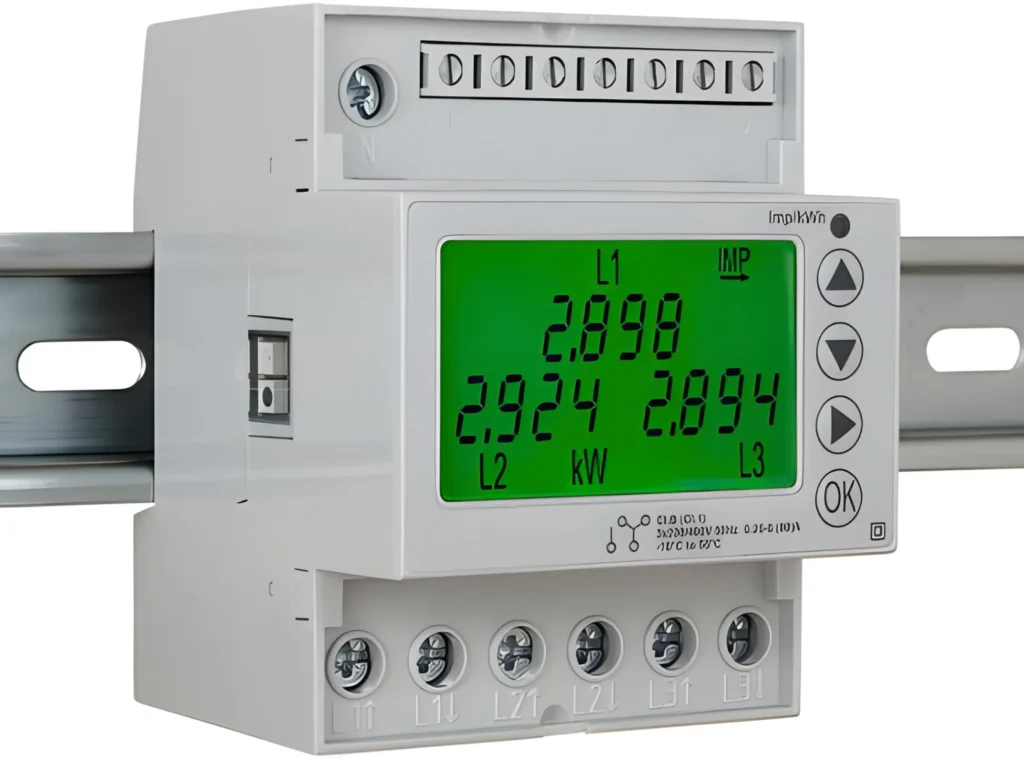
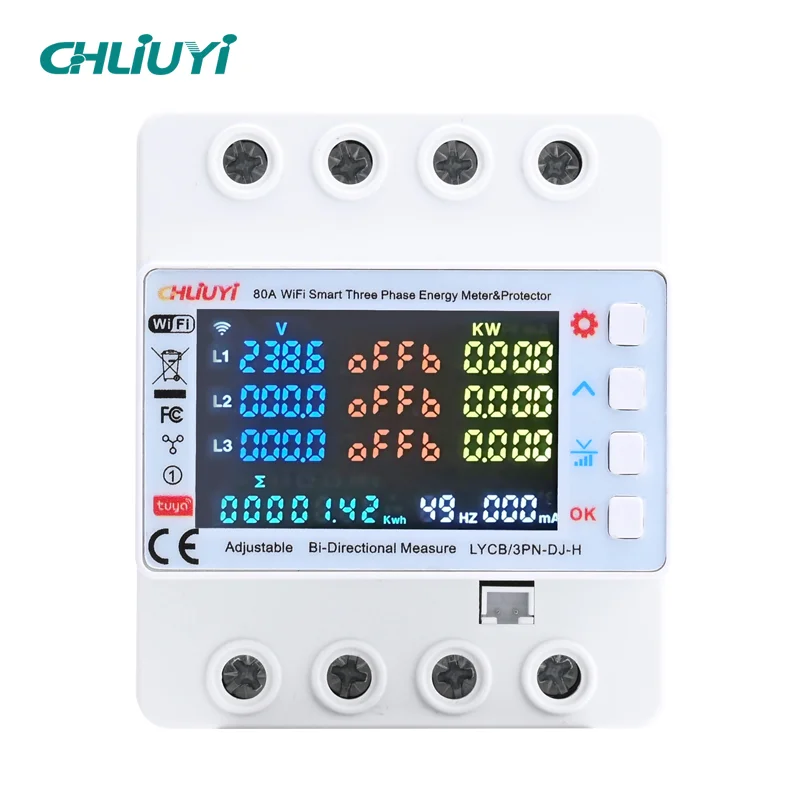
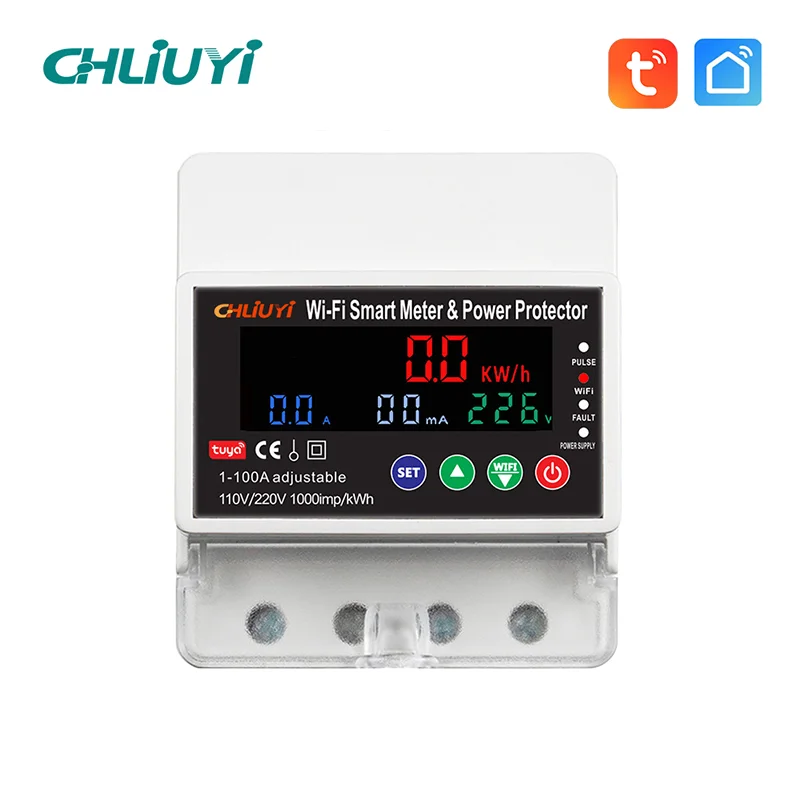
Electric power meters (often called energy meters or power monitoring meters) measure how much electrical energy your loads consume over time, usually in kilowatt‑hours, along with key values such as voltage, current, power factor, and sometimes power quality. Modern electric power meters can also log data, communicate with building management systems (BMS), and feed cloud dashboards, making them powerful tools for energy management instead of simple billing devices.
At a basic level, an electric power meter samples voltage and current, calculates real power and energy, and stores or transmits this information for analysis. Advanced models add features such as harmonic analysis, event recording, and alarm logging, which help you detect issues like overloaded circuits, overloaded transformers, and poor power factor before they become costly failures.
Common meter types and uses
Meter type
Typical use case
Basic kWh electric meter
Simple consumption monitoring and internal billing.
Multifunction power meter
Voltage, current, power, power factor, and alarms.
Harmonics, events, and power disturbance analysis.
Basic electric power meters are enough if you only need total energy usage for a panel, machine, or tenant. However, when you want deeper insight—such as identifying underperforming equipment, benchmarking lines, or supporting ISO‑based efficiency programs—multifunction and power‑quality meters become far more valuable.
Why Electric Power Meters Matter For Business
If you manage a factory, commercial building, or data center, electric power meters are no longer just “nice to have”—they are core to cost control and reliability. By measuring exactly where and when your energy is used, you gain the visibility needed to cut waste, extend equipment life, and justify upgrades with clear return on investment.
Electric power meters support several goals at the same time. You can track total facility energy, break it down by line or tenant, and compare shifts, products, or seasons to see what is really driving your electricity bill. You can also use meters to verify utility invoices, allocate costs fairly, or support ESG and sustainability reporting with hard data instead of rough estimates.
Key business benefits of metering
Business goal
How electric power meters help
Reduce energy costs
Identify high‑consumption loads and peak demand.
Improve reliability
Spot abnormal currents and voltages early.
Support maintenance
Use trend data to plan predictive maintenance.
Verify billing
Use revenue‑grade meters to confirm charges.
Sustainability reporting
Provide traceable energy data for ESG reports.
Electric power meters also help reveal hidden issues such as unbalanced loads, poor power factor, or unexpected night‑time consumption when machines are supposed to be off. Fixing these issues can reduce transformer stress, improve uptime, and make your electrical system safer and more stable—all while lowering energy spend.
And if you are already thinking, “This sounds useful for my plant,” you are exactly the kind of reader electric power meters are built for—someone who wants data, not guesswork.
Types Of Electric Power Meters And Their Features
Not all electric power meters are created equal. The right choice depends on your application, accuracy needs, and integration requirements. Choosing the wrong type can leave you with limited data, poor accuracy, or a device that cannot talk to your existing systems.
Electric power meters can be grouped by installation style (panel, DIN‑rail, or portable), measurement capability (basic kWh vs. full power quality), and intended use (sub‑metering, revenue metering, or diagnostics). Some models are designed for quick retrofits, while others integrate deeply into switchgear, MCCs, or OEM equipment.
Typical meter categories and specs
Category
Key features
Panel‑mounted meters
Front‑panel display, local monitoring, alarms.
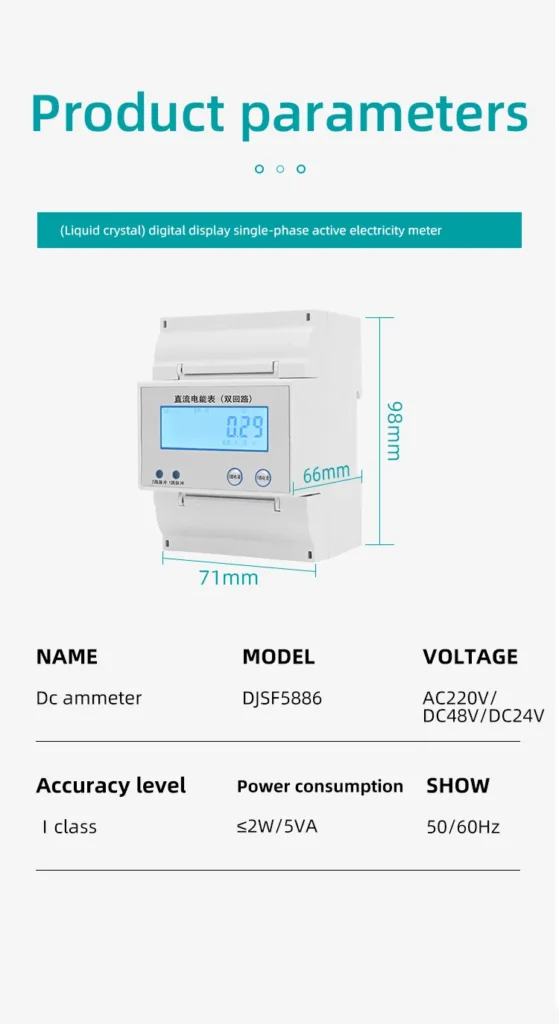
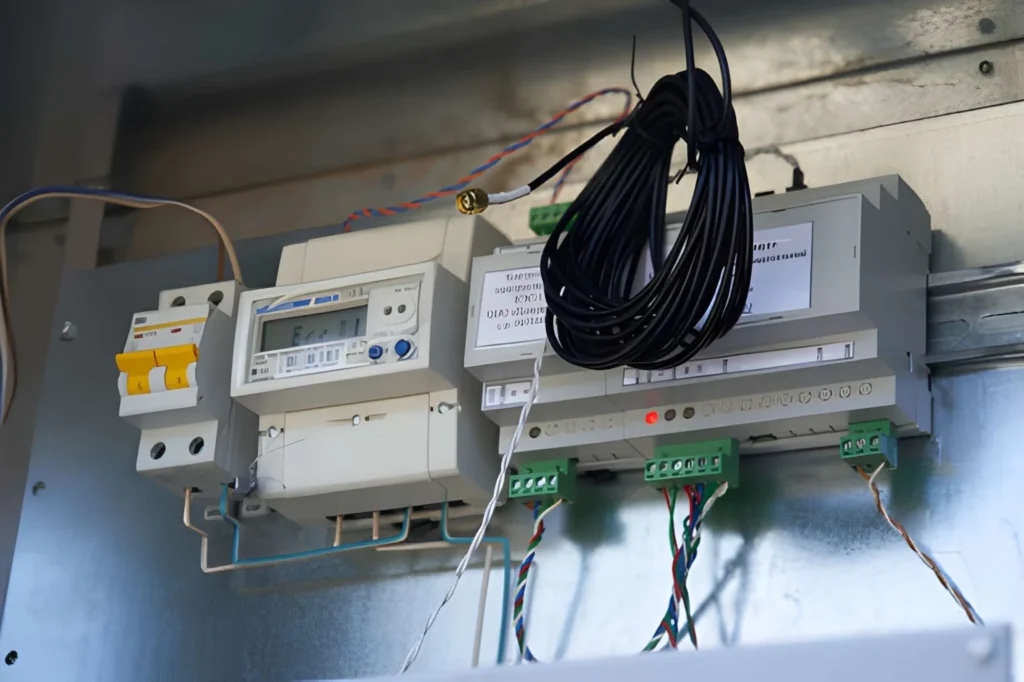
DIN‑rail energy meters
Compact sub‑metering, machine‑level monitoring.
Portable power analyzers
Temporary studies, audits, and troubleshooting.
IoT/cloud‑ready meters
REST API, MQTT, or cloud connectivity.
Many industrial electric power meters now support protocols such as Modbus, BACnet, and Ethernet/IP so that your PLCs, SCADA, and building management systems can pull data in real time. Cloud‑ready meters go further, pushing data directly to energy dashboards where you can visualize trends, set alerts, and access your facility’s energy performance from anywhere.
If you are planning new panels or upgrading existing MCCs, it often makes sense to standardize on one family of electric power meters. This reduces wiring mistakes, simplifies spare parts, and makes configuration and integration more consistent for your engineering team.
Accuracy Classes And Revenue‑Grade Electric Power Meters
Accuracy is a big deal when you use electric power meters for internal billing, tenant sub‑metering, or utility revenue applications. Meter accuracy is often defined by standards such as ANSI C12.20 or IEC 62053, which specify classes like 0.1, 0.2, 0.5, 0.5S, 1.0, and 2.0. These numbers represent the maximum allowable error as a percentage of the true value under specified conditions.
Revenue‑grade electric power meters are designed to meet higher accuracy requirements, typically classes 0.2 or 0.5 or better, and are tested as a system with their current transformers (CTs). Using a revenue‑grade meter plus suitable metering‑class CTs helps you avoid disputes over consumption and gives you confidence that your billing or cost allocation is fair and defensible.
Accuracy classes at a glance
Accuracy class
Max typical error at full load
Typical application
Class 2.0
±2%
Rough monitoring, non‑critical loads.
Class 1.0
±1%
General facility monitoring.
Class 0.5 / 0.5S
±0.5%
High‑quality sub‑metering.
Class 0.2 / 0.1
±0.2% / ±0.1%
Revenue‑grade and utility metering.
Remember that the overall accuracy of an electric power meter system depends not only on the meter but also on the CTs, wiring, and installation. Undersized CTs, loose terminations, and poor commissioning can easily undo the benefit of investing in a high‑accuracy device, so your metering project should always include proper design, installation checks, and commissioning tests.
If you plan to bill tenants, allocate costs to departments, or negotiate tariffs with your utility, investing in revenue‑grade electric power meters is usually worth it.
Industrial And Commercial Applications Of Electric Power Meters
Electric power meters play different roles depending on the type of facility, but the core goal is always the same: turn raw electrical consumption into actionable insight. From a single production line to an entire campus, metering gives you the data needed to optimize operations and reduce waste.
In industrial plants, electric power meters monitor large motors, compressors, ovens, and production lines to track energy per unit of output and identify inefficient equipment. In commercial buildings and campuses, meters are used for tenant sub‑metering, HVAC and lighting monitoring, and verifying the effectiveness of energy retrofits such as LED upgrades and variable‑speed drives.
Typical application areas
Facility type
Metering focus
Factories
Motors, lines, welding, heating, compressors.
Data centers
UPS, PDUs, cooling loads, IT racks.
Commercial buildings
HVAC, lighting, elevators, tenant panels.
Retail & hospitality
Stores, kitchens, refrigeration, back‑of‑house.
Electric power meters also support predictive maintenance by spotting abnormal current, harmonic distortion, or voltage issues that signal problems with equipment. By analyzing trends rather than waiting for alarms or failures, you can schedule service during planned downtime instead of dealing with costly emergency repairs.
If you are planning to upgrade your facility, one of the smartest first steps is installing metering around key loads. That way, when you replace old motors or add new production lines, you have baseline data and can clearly show the savings your investments deliver. And if you already see where metering could help in your plant, this is a great moment to reach out to suppliers or manufacturers and request a quote or send an inquiry for tailored electric power meter solutions.
Smart, IoT, And Cloud‑Connected Electric Power Meters
The latest generation of electric power meters goes far beyond “read the display once a month.” Smart and IoT‑ready devices are built to integrate with digital systems, edge controllers, and cloud platforms for continuous monitoring. This makes electric power meters a core part of modern digital energy management strategies rather than just standalone instruments.
Many smart meters include Ethernet, serial ports, and industrial communication protocols like Modbus TCP, BACnet/IP, and proprietary energy management interfaces. Some models even provide REST APIs or direct cloud connectivity, so your meters can stream data securely to dashboards without needing a separate gateway or complex middleware.
Digital features to look for
Feature
Why it matters
Real‑time data streaming
Instant visibility into loads and alarms.
Onboard logging and events
Captures trends even during network outages.
REST API / cloud connection
Easy integration with web dashboards and apps.
Email/SMS or BMS alarms
Faster response to faults and abnormal usage.
When you combine smart electric power meters with analytics software, you can set up alerts for peak demand, unusual night consumption, or power‑quality events that could damage sensitive equipment. Over time, the data you collect can feed machine‑learning or rule‑based tools that automatically suggest optimization steps or detect patterns humans might miss.
If your facility is already on a digital transformation path, choosing electric power meters with strong communication and cloud capabilities will give you much more value than basic devices—even if the initial price is slightly higher.
How To Choose The Right Electric Power Meter
With so many options on the market, choosing the best electric power meter for your project can feel overwhelming. A simple way to start is to define your objective: monitoring, billing, diagnostics, or all three. Once your goal is clear, you can match features, accuracy, and communication options to your actual needs.
Consider the electrical environment (single‑phase vs. three‑phase, voltage level, current range), required accuracy class, and whether the meter must be panel‑mounted, DIN‑rail, or portable. Then look at communication requirements: does it need Modbus RTU for a PLC, Modbus TCP or BACnet for BMS, or a REST API or cloud connection for advanced analytics?
Simple selection roadmap
Decision step
Key questions to ask
Define purpose
Monitoring only, billing, diagnostics, or mixed?
Set accuracy needs
Do you need revenue‑grade or general monitoring?
Choose installation
Panel, DIN‑rail, retrofit, or portable?
Pick communications
Local only, BMS/SCADA, or cloud integration?
If your team is still unsure, it often helps to start with a pilot project on a critical line or building area. You can test how electric power meters fit into your existing systems, refine your data strategy, and prove the business case before rolling out metering across the entire facility. When you are ready to move forward, do not hesitate to contact a trusted manufacturer or integrator—send an inquiry, share your single‑line diagrams, and ask for a tailored metering proposal.
FAQs About Electric Power Meters
What is an electric power meter used for in industry?
Electric power meters in industrial plants track the energy use of motors, compressors, ovens, and production lines so you can calculate energy per unit produced, benchmark lines, and identify inefficient equipment. This helps you cut waste, justify upgrades, and support standards‑based energy management programs.
What is the difference between a standard and revenue‑grade electric power meter?
A standard electric power meter is usually used for internal monitoring and does not necessarily meet strict accuracy classes for billing. Revenue‑grade electric power meters comply with standards such as ANSI C12.20, offering higher accuracy classes like 0.2 or 0.5 for reliable billing, tenant sub‑metering, and contractual energy measurements.
Do I need a three‑phase electric power meter for my application?
If your loads or distribution panels are three‑phase, especially in industrial and commercial environments, you almost always need a three‑phase electric power meter to measure consumption correctly and detect unbalance between phases. Single‑phase meters are more suitable for small offices, homes, or simple branch circuits.
Are electric power meters hard to install?
Some compact and DIN‑rail electric power meters are designed for easy retrofit with clip‑on CTs and minimal wiring, making them accessible even in crowded panels. Larger panel‑mounted or revenue‑grade meters may require more planning, CT installation, and commissioning, but they deliver deeper insights and higher accuracy once installed correctly
How Smart Meter PLC Works: Signal Superposition and Modulation Smart meter Power Line Communication (PLC) uses existing electrical wiring to transmit data between smart meters and utility systems, enabling efficient Advanced Metering Infrastructure (AMI). This process relies on signal superposition and modulation techniques to send communication signals alongside normal electricity flow without interference. The Architecture: […]
How Electricity Energy Meters Work The Basic Principle: Voltage and Current Measurement Electricity energy meters measure the amount of electrical energy consumed by monitoring voltage and current flowing through a circuit. This measurement is essential for calculating energy usage accurately. The meter continuously tracks the voltage (the electrical potential) and the current (the flow of […]
Ever looked at your electricity bill and wondered, “What exactly am I paying for?” An accurate electricity energy meter is the quiet little device that answers that question, line by line, kilowatt-hour by kilowatt-hour. In this guide, we will walk through what it is, how it works, and how you can choose the right model for your home, […]
We use cookies to enhance your browsing experience, serve personalised ads or content, and analyse our traffic. By clicking "Accept All", you consent to our use of cookies.