Blog
Electrical Energy Consumption Meter Guide with Smart Accurate Features
Discover Liuyi Electric’s precise electrical energy consumption meters with advanced accuracy, smart monitoring, and reliable industrial-grade performance.
Read More
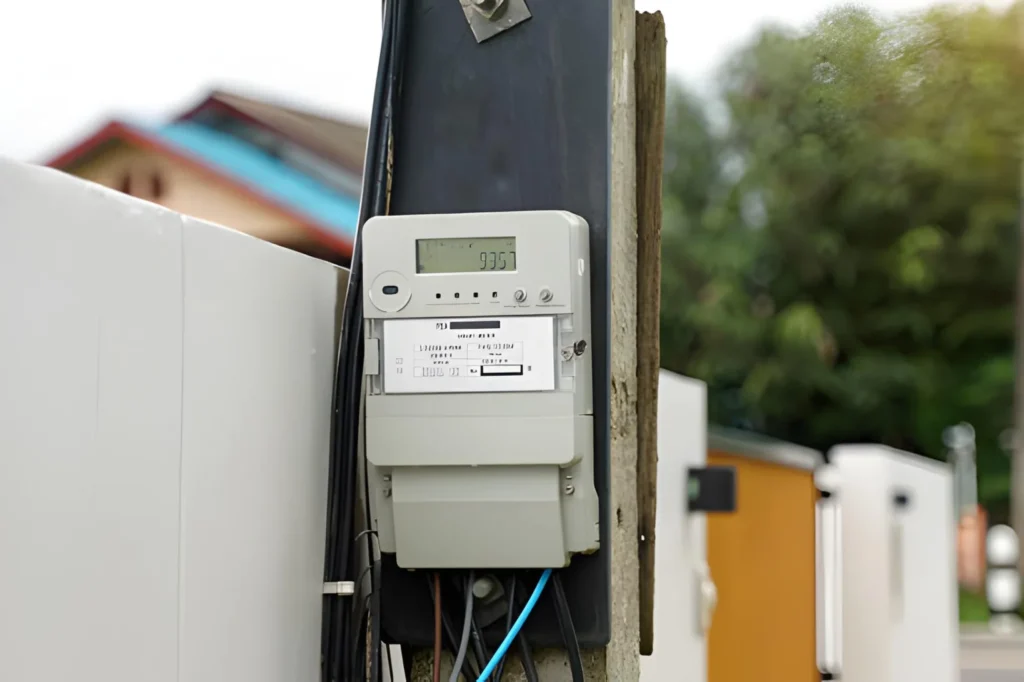
Are you searching for a practical solution to monitor and manage electricity use in your facility?
Electric smart meters might be the answer. Today, we’ll explore what electric smart meters are, how they work, the types and features industrial users care about, and give you all the advice you need to make an informed purchase.
If you’re planning a new project, you can contact our team to select the appropriate electric smart meters based on your cabling standards.
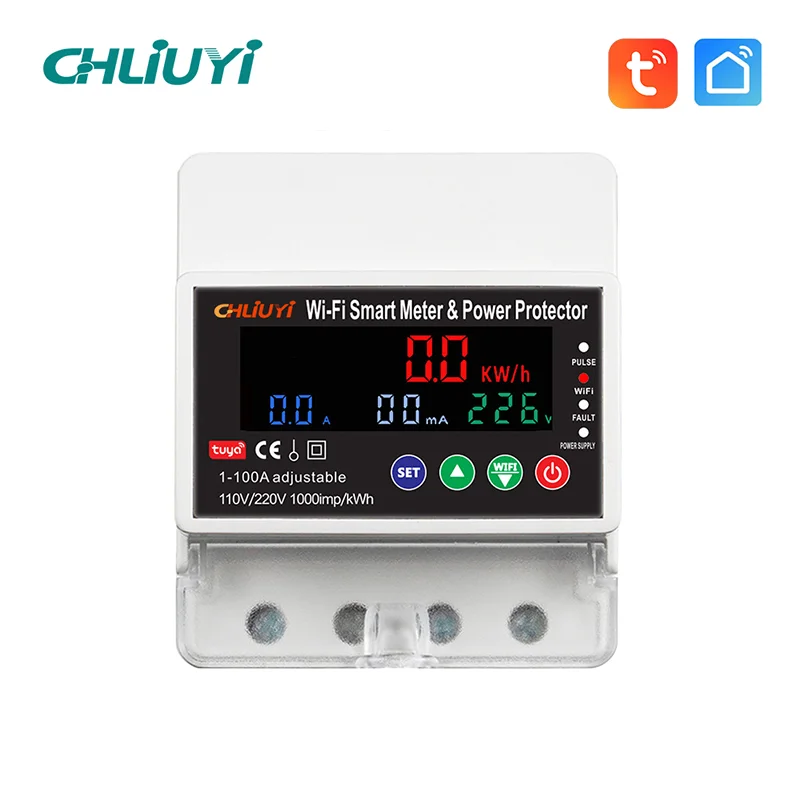
Electric smart meters are advanced devices that measure electricity consumption and transmit usage data in real time. Unlike old-style analog meters, these modern systems continuously record energy usage and transmit the data to energy management systems or utilities using secure network communications (like Wi-Fi, cellular, or radio frequency).
Smart meters don’t just count your kilowatt-hours. They can:
So, whether you call it an “electricity energy meter,” “electrical energy consumption meter,” or “electric energy meter,” smart meters deliver actionable insights that go way beyond basic measurement.
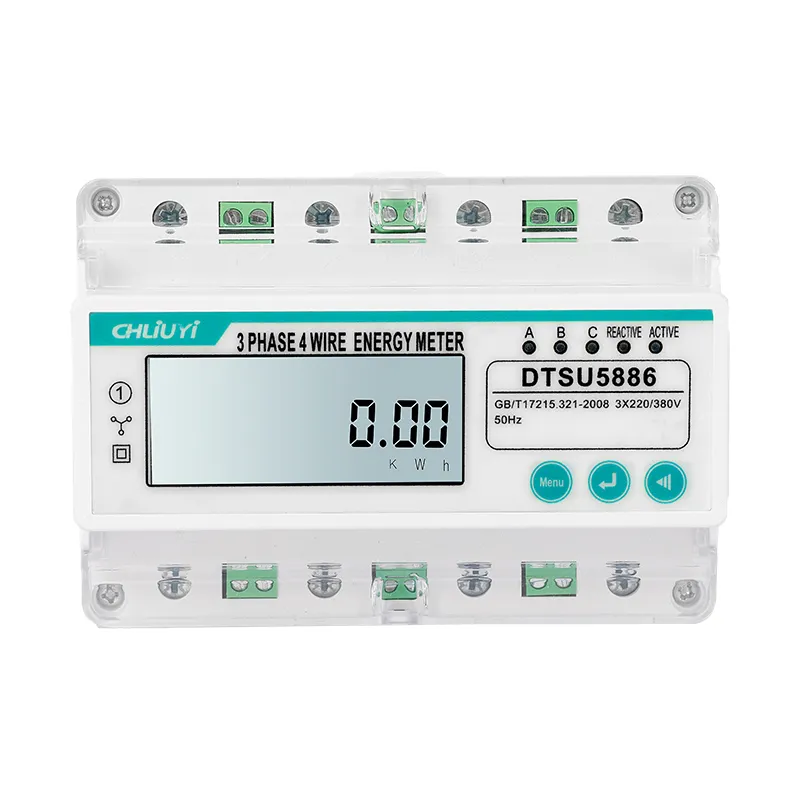
What type of electric smart meter suits your facility? There are several types, each designed for different industrial scenarios:
Here’s a quick table highlighting key meter types for industrial users:
In manufacturing, smart meters are frequently installed on main switches or production line feeders, letting teams track per-process energy expenses and optimizing schedules to avoid costly peaks in demand.
You might be asking, “Is the installation really plug-and-play?” Here’s a breakdown of the journey from measurement to analytics:
Step-by-Step Working Process
This end-to-end approach boosts efficiency and supports better demand management for your facility. What if you could spot a failing machine before operations grind to a halt? That’s where predictive analytics come into play with advanced smart meters.
Even seasoned professionals can stumble—mistakes during installation, selection, or operation result in headaches and extra costs. Have you seen a meter overheat or report errors because it didn’t match the load specifications? Here’s how to stay ahead:
Being proactive can save tens of thousands in downtime and retrofits. What if your meter could flag a wiring issue before it turns into a plant-wide outage?
Successful installation and operation require more than screwing a box to the wall. Industrial environments, from dusty factory floors to remote mining operations, pose challenges. How do you ensure accuracy and reliability?
“Have you planned a new project or facility upgrade? Reach out—our team can help you select the ideal electric smart meters that fit your cabling standards and compliance needs.”
Smart meters are changing the game in manufacturing, logistics, mining, and even facility management. Consider these examples:
In every case, choosing the right meter helped teams maximize reliability, security, and cost-effectiveness—turning a routine purchase into a strategic investment.
From granular power tracking to advanced analytics and seamless integration, electric smart meters are transforming how industries manage energy. If your business still relies on manual readings or outdated meters, you risk inefficiencies and compliance headaches. Electric smart meters guide facilities toward reliable, secure, and cost-effective operations, all while keeping data at your fingertips.
Thinking of upgrading? Contact our team to select the optimal electric smart meters that meet your cabling standards and industry regulations. Empower your operations today!
Standard meters provide basic readings for manual collection. Electric smart meters automatically measure, store, and transmit electricity usage in real time, offering advanced analytics and remote management.
Smart meters detect real-time issues like surges or outages, send alerts, and provide accurate billing—making maintenance and response much faster.
Yes, as long as you choose models that meet national and international standards (such as SMETS, MID, or IEC/ANSI). Regular firmware updates and encrypted communications protect your data from tampering or cyber threats.
Assess your load size, phase requirements (single/three-phase), preferred communication module (cellular, RF, PLC), and compliance regulations. Consult with suppliers on advanced features like analytics and remote diagnostics.
Absolutely. By providing real-time consumption data and supporting energy-saving programs, meters help you optimize load management and spot inefficiencies. Prepaid meters and detailed analytics support better cost allocation for multi-tenant sites.
Make sure meters have robust enclosures (IP-rated, dust-proof, moisture-proof), proper earthing, and suitable communication modules for your environment. Schedule regular maintenance and use vendor tools for diagnostics.
Discover Liuyi Electric’s precise electrical energy consumption meters with advanced accuracy, smart monitoring, and reliable industrial-grade performance.
Read More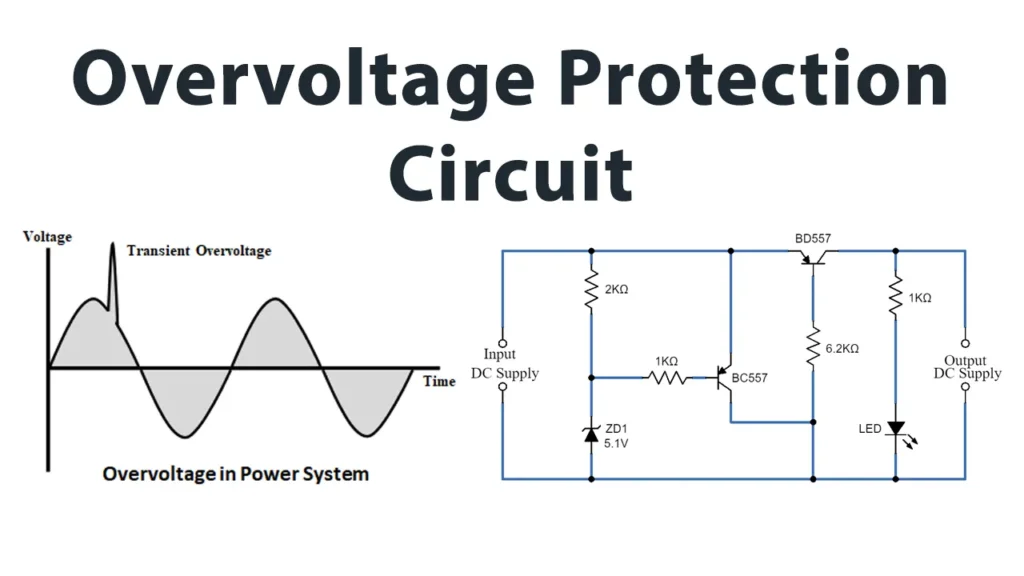
In this tutorial, we will build a Simple Overvoltage Protection Circuit designed to safeguard sensitive electronic components from voltage surges that exceed their maximum rated values. Overvoltages refer to any voltage levels that temporarily surpass the normal mains or supply voltage threshold. Overvoltage protection (OVP) is a crucial feature in many power supplies, which instantly disconnects the […]
Read More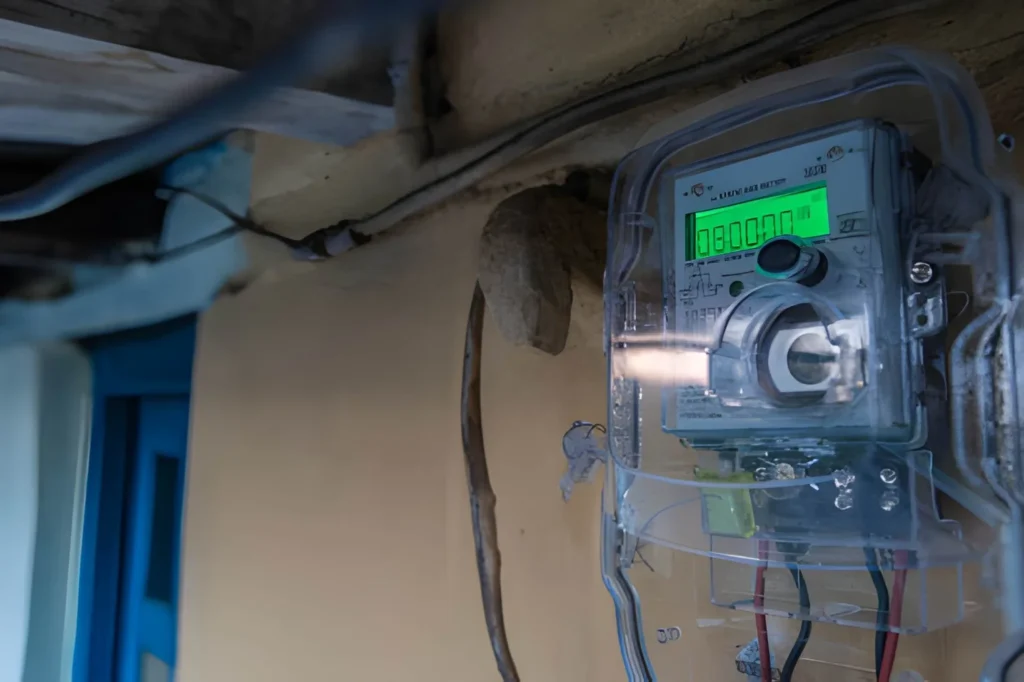
How Electricity Energy Meters Work The Basic Principle: Voltage and Current Measurement Electricity energy meters measure the amount of electrical energy consumed by monitoring voltage and current flowing through a circuit. This measurement is essential for calculating energy usage accurately. The meter continuously tracks the voltage (the electrical potential) and the current (the flow of […]
Read More