Have you been hearing more about smart meters at industry events or from your suppliers lately?
If you’re considering an upgrade or a first-time installation, you’re in the right place. In the fast-evolving world of industrial energy management, understanding smart meters is not just smart—it’s essential.
Let’s break down what smart meters are, how they can help your business, and how to avoid common pitfalls in the selection and deployment process.
What Are Smart Meters and How Do They Work?
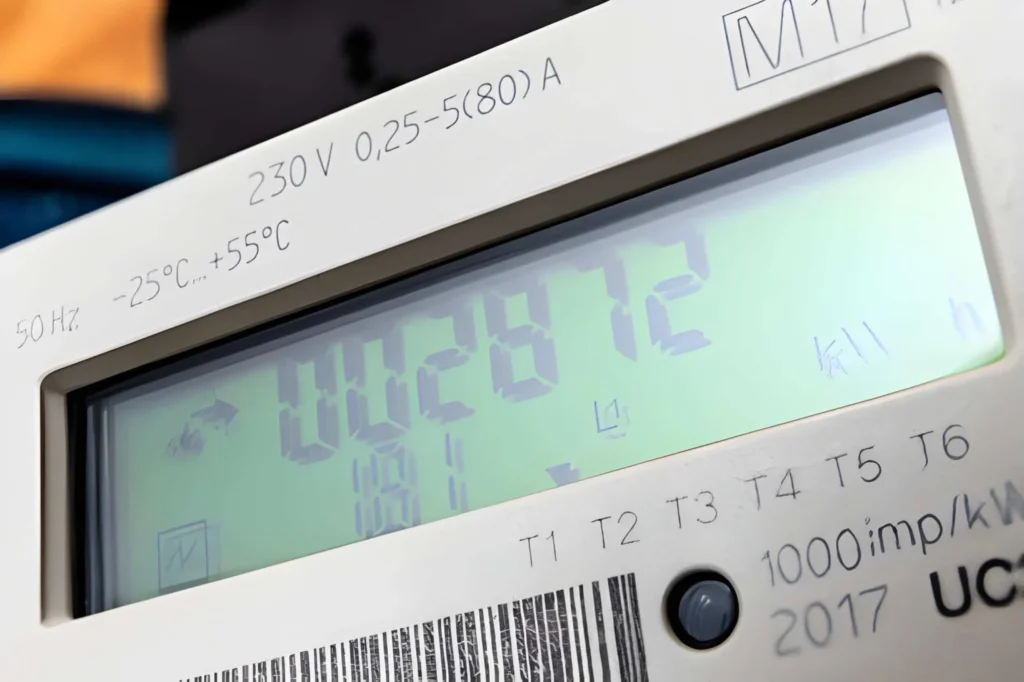
Smart meters are digital devices that measure and record your facility’s electricity, gas, or water usage, sending this information in real time to both you and your utility provider.
For example, an electric smart meter records energy consumption, voltage, current, and power factor—then transmits this data securely for accurate, automated billing and enhanced system monitoring.
Unlike traditional meters, smart meters enable two-way communication, providing real-time feedback, which can empower you to optimize your energy use and catch anomalies as soon as they happen.
Have you ever wondered about the difference between an electricity energy meter and a smart energy meter? The secret sauce is that smart meters can communicate!
Data is automatically sent to the supplier, eliminating the need for manual readings and reducing billing disputes, while also enabling better monitoring of your own operations.
Main Types of Smart Meters and Their Typical Applications
When you set out to select a smart meter, you’ll find three main categories: electric, gas, and water. There are also multi-utility versions that can handle all three at once—a good fit for complex operations. Let’s zoom in on where you’ll encounter each:
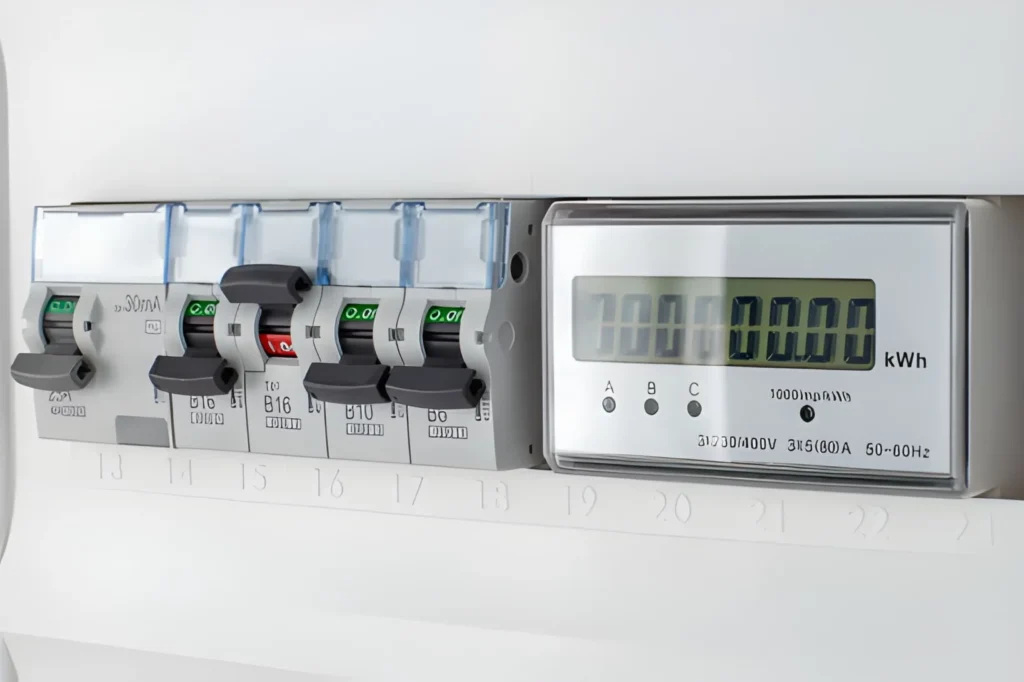
Electric Smart Meters: Most commonly used in factories, warehouses, and heavy industry. Ideal for monitoring real-time power usage, tracking demand spikes, and controlling costs.
Gas Smart Meters: Found in sectors where gas is a major input—chemical processing plants, food manufacturing, and certain heating-intensive operations.
Water Smart Meters: Crucial in industries with high water usage such as textiles, paper, or beverages—also excellent for early leak detection.
Multi-Utility Smart Meters: Perfect for facilities that want a unified dashboard and analytics across energy, gas, and water consumption.
Type
Key Application Areas
Typical Feature
Electric Smart Meter
Industrial plants, DC/AC control
Real-time usage, demand monitoring
Gas Smart Meter
Process industry, heating
Leak detection, remote reading
Water Smart Meter
Beverage, textiles, paper
Flow monitoring, conservation tips
Multi-Utility Meter
Large/complex sites
Integrated resource management
Advantages and Challenges: Why Smart Energy Meters Matter
Still wondering if the upgrade is worth it? Let’s make it tangible:
Reliability: Smart meters provide consistent, real-time readings—even with fluctuating loads and modern machinery.
Cost-Effectiveness: Automation eliminates the cost and errors of manual readings, helps you spot peak demand charges, and can even detect unauthorized usage quickly.
Compliance: Many regions now mandate smart metering for certain business types, and being ready helps avoid fines.
Security and Data Privacy: Information is transmitted using encrypted protocols, so both you and your supplier have accurate, secure data.
Ease-of-Use: With app and web interfaces, even non-technical staff can monitor and analyze data.
However, sometimes even smart meters can be outsmarted. For example, some models with Rogowski coil or Hall effect sensors may misread modern, “noisy” loads from advanced switching power supplies or variable speed drives. That could mean inaccurate billing or missed problems. So, it pays to match your meter selection to your operation’s actual energy and waveform conditions.
Common Mistakes When Choosing or Using Smart Meters
There are a few traps you’ll want to sidestep:
Ignoring Compatibility: Not all smart meters play nicely with all energy management systems or communication protocols (e.g., Modbus, DLMS/COSEM for electric smart meters). What if your new smart meter doesn’t talk to your SCADA system?
Underestimating Power Quality Issues: Some meters aren’t designed for environments with lots of fast-switching or variable frequency drives—leading to misreadings of your electricity energy meter.
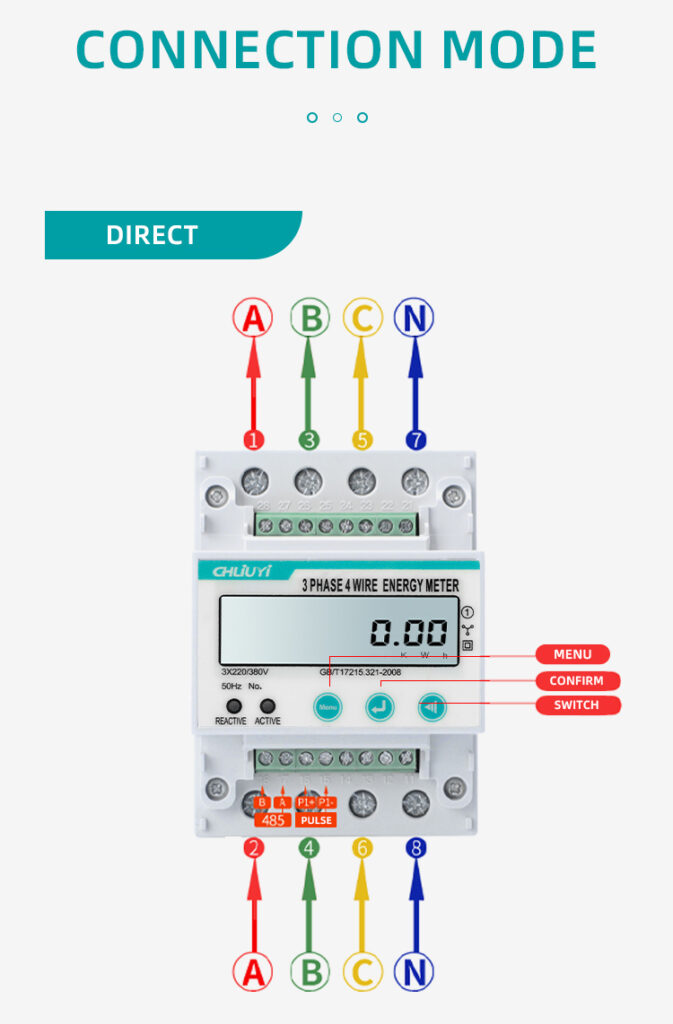
Incorrect Meter Type: Selecting a single-phase meter for a three-phase system (or vice versa) will give you headaches—always check your facility’s main feed and circuitry.
Network or Data Problems: Poor wireless coverage or outdated firmware can cause data transmission failures, leading to gaps in your usage record.
Want a pro tip? If you’re ever in doubt, ask your meter supplier for case studies from similar business environments.
Practical Tips for Industrial Installation and Maintenance
Ready to deploy? Here’s where experience really counts:
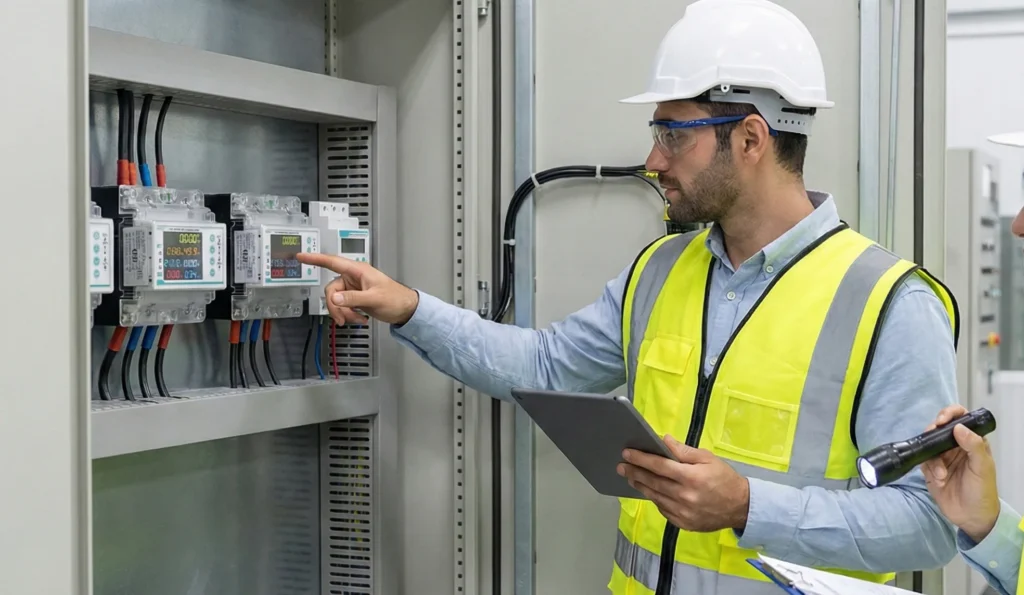
Pre-Installation: Always perform a load and compatibility assessment. Double-check that the smart meter fits both your electrical layout and your network infrastructure.
During Installation: Ensure meters are calibrated and certified per local standards. Use proper surge protection, especially in heavy industrial settings.
Commissioning: Test real-time data transmission and alarm functions. Confirm that meters send their data correctly to your monitoring software or supplier portal.
Ongoing Operation: Set up automated alerts for unusual readings (such as sudden consumption spikes or drops)—this helps you spot leaks, equipment failure, or even energy theft.
Maintenance: Schedule regular verification checks, especially if your operation uses lots of frequency converters or high-speed switching devices, since these can trip up some smart meter sensors over time.
Real-World Application Scenarios
Let’s look at a couple examples:
Metallurgical Industry: Real-time electric smart meters help track power usage across electroplating lines, reducing downtime and enabling precise demand response that can save thousands in annual energy costs.
Telecom Tower Sites: Smart energy meters remotely track both AC and DC power consumption, delivering instant alerts about battery issues or grid failures, so maintenance is proactive instead of reactive.
Solar and Renewable Plants: In solar installations, smart meters offer up-to-the-minute feed-in and consumption info for both operator and grid provider, helping with settlement and compliance reporting.
Industry Scenario
Meter Type
Measured Benefit
Metallurgy/Electroplating
Electric Smart Meter
Demand peak tracking
Telecom Base Stations
Multi-Utility
Remote monitoring, reduced site visits
Solar PV Plant
Electricity Meter
Accurate generation/consumption split
Conclusion
Smart meters are transforming how factories and industrial sites manage energy, improve reliability, and meet compliance—while ensuring security and cost-effectiveness. Whether you’re interested in electric smart meters, want a comprehensive electricity energy meter upgrade, or are exploring smart energy meters for renewable integration, making an informed choice is vital.
If you’re planning a new project or considering a meter upgrade, contact our experienced team to select the best smart meter based on your site’s specific needs and local standards. Leave the guesswork behind and take the smart step forward with smart meters today!
Ready to future-proof your facility? Reach out for expert guidance or a fast, no-obligation quote. Your energy savings—and peace of mind—start here.
Frequently Asked Questions
Do smart meters work with solar panels or renewable energy sources?
Yes—most electric smart meters can monitor both consumption and local generation. This is crucial for industries looking to manage feed-in tariffs or comply with local net metering policies.
Are smart meters difficult to install in older industrial buildings?
With careful site assessment and professional installation, retrofitting is often straightforward. Surge protection and communication links may need enhancement, but most suppliers provide clear guidelines.
Can smart meters detect equipment faults or power quality issues?
Absolutely. Many modern devices alert you to voltage sags, demand spikes, or power factor problems, which could point to failing equipment or inefficiencies.
Will my energy data remain private and secure?
Yes—industrial smart meters encrypt usage data both in transit and storage, in line with global standards. Security updates are released regularly.
What’s the difference between SMETS1 and SMETS2 meters?
SMETS2 are second-generation electric smart meters, designed for broader compatibility, added features, and better support for high-load or complex sites, such as those with renewable integration.
How do I know if a smart meter is right for my operation?
Start by evaluating your energy mix, infrastructure age, and monitoring goals. Ask suppliers for recommendations based on similar facilities to yours.
TABLE OF CONTENTS Introduction: Why Transparent Energy Meters Now Industrial facilities are under increasing pressure to prove that power consumption is measured accurately, fairly, and in full alignment with internal policies and external regulations. Within this context, transparent energy meters are becoming a powerful tool for energy managers, auditors, and HSE departments who need both […]
The Core Difference: Single Phase vs. Three Phase Meters When choosing between a single phase and a three phase energy meter, the voltage, load capacity, and power delivery method are key factors. Voltage and Load Capacity Meter Type Voltage Range Typical Load Capacity Application Single Phase Meter 110V – 230V Low to medium residential loads […]
When working with electric motors or industrial equipment, understanding the difference between single-phase and three-phase power is crucial. Single-phase power uses one alternating voltage waveform, typically found in most residential and light commercial settings. In contrast, three-phase power consists of three voltage waveforms, each offset by 120 degrees, providing a more constant and balanced power […]
We use cookies to enhance your browsing experience, serve personalised ads or content, and analyse our traffic. By clicking "Accept All", you consent to our use of cookies.