Have you ever stood in front of a new piece of industrial equipment and realized your building only has single-phase supply? If so, you are not alone. Many commercial and light industrial facilities face the same challenge. The good news is that 3 phase power from single phase is not only possible, it is widely used across manufacturing, HVAC, and automation environments.
In this article, we will walk through what converting single-phase to three-phase power really involves, why businesses do it, and how you can decide on the right approach for your operation.
Why businesses need 3 phase power
Before we talk about conversion, let’s address the obvious question: why bother?
Three-phase power delivers electricity more efficiently than single-phase. It provides smoother torque, higher power density, and better performance for heavy loads. That is why most industrial motors, compressors, pumps, and CNC machines are designed for three-phase input.
If your facility only has single-phase service, you may encounter limits such as:
Inability to run industrial motors above a certain horsepower
Poor efficiency and overheating on large equipment
Reduced lifespan of sensitive electrical components
This is where 3 phase power from single phase becomes a practical workaround rather than a costly utility upgrade.
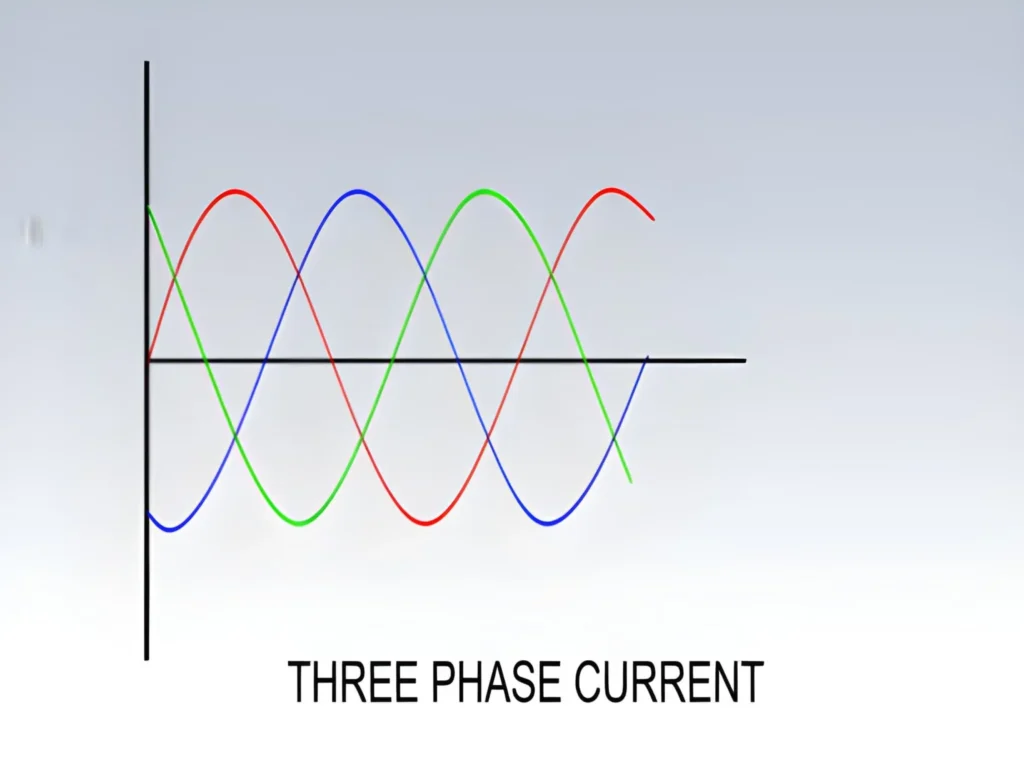
Single-phase power uses one alternating voltage waveform. Three-phase power uses three waveforms, offset by 120 degrees. This creates a continuous and balanced power flow.
Here is a simple comparison to clarify the difference:
Feature
Single-phase power
Three-phase power
Typical voltage
120V / 240V
208V / 400V / 480V
Power stability
Pulsating
Smooth and continuous
Motor efficiency
Lower
Higher
Common use cases
Homes, small offices
Factories, data centers
This difference explains why converting to three-phase power can unlock higher performance without changing your entire electrical infrastructure.
How 3 phase power from single phase actually works
Converting single-phase to three-phase does not magically change your utility supply. Instead, it uses specialized equipment to simulate or generate a three-phase output.
There are three primary methods used in the field.
Static phase converters
Static converters are the simplest option. They use capacitors to start a three-phase motor and then drop out of the circuit.
They are inexpensive and easy to install, but they come with trade-offs:
Reduced motor power output
Poor efficiency under varying loads
Limited suitability for sensitive equipment
Static converters may work for small motors, but they are rarely ideal for continuous industrial use.
Rotary phase converters
Rotary phase converters use a rotating idler motor to generate the third phase.
They are more robust than static converters and can support multiple machines at once. However, they also:
Consume more energy
Require more space
Produce noise and vibration
For workshops with mixed loads, rotary systems are still common, though newer technologies are replacing them.
Digital phase converters and VFDs
Modern solutions rely on solid-state electronics. Digital phase converters and variable frequency drives (VFDs) electronically create balanced three-phase power from a single-phase input.
Key advantages include:
High efficiency
Stable voltage and frequency
Built-in protection and monitoring
This approach is increasingly preferred when implementing 3 phase power from single phase in professional environments.
Typical industrial and commercial applications
You might be surprised how often this conversion is used.
Common applications include:
Manufacturing plants running three-phase motors on single-phase utility feeds
HVAC systems with large compressors
Agricultural equipment such as irrigation pumps
Elevators and material handling systems
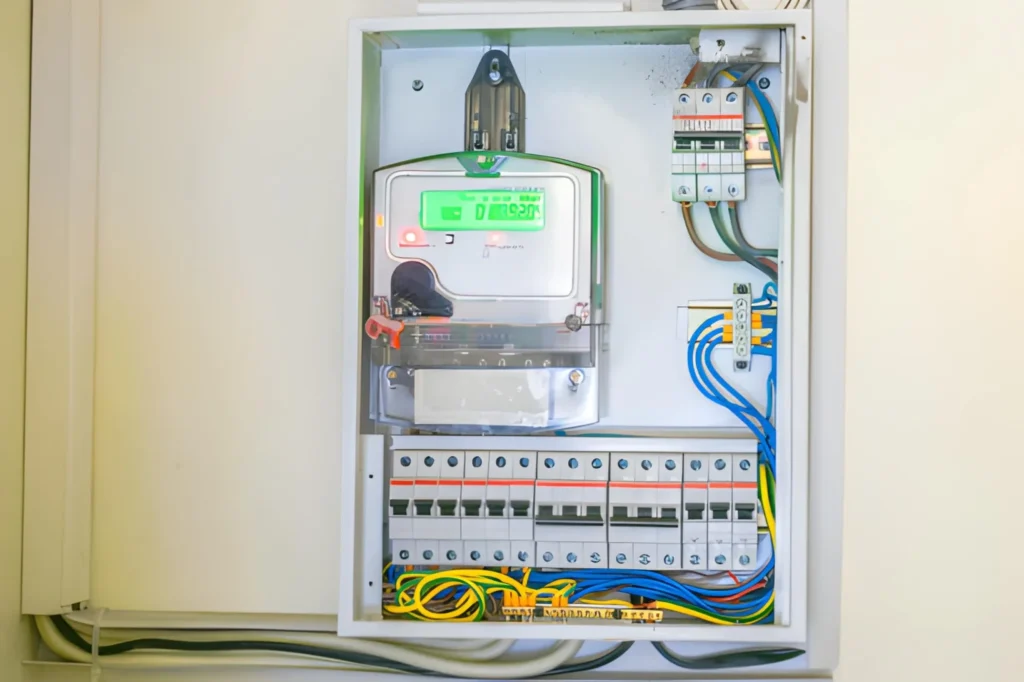
Data centers with three-phase power meters and distribution panels
In many retrofit projects, converting power locally is far more cost-effective than requesting a new three-phase service from the utility company.
Electrical specifications you should understand
When planning a conversion, specifications matter. Choosing the wrong ratings can lead to downtime or equipment damage.
Here are the most important parameters to review:
Specification
Why it matters
Input voltage
Must match your single-phase supply
Output voltage
Must match equipment requirements
Power rating (kW or HP)
Determines load capacity
Frequency (50/60 Hz)
Affects motor speed and performance
Efficiency
Impacts operating cost
A properly sized system ensures that your 3 phase power from single phase solution performs reliably over the long term.
Smart features in modern conversion systems
Today’s digital converters and VFDs offer more than just power conversion.
Many include smart features such as:
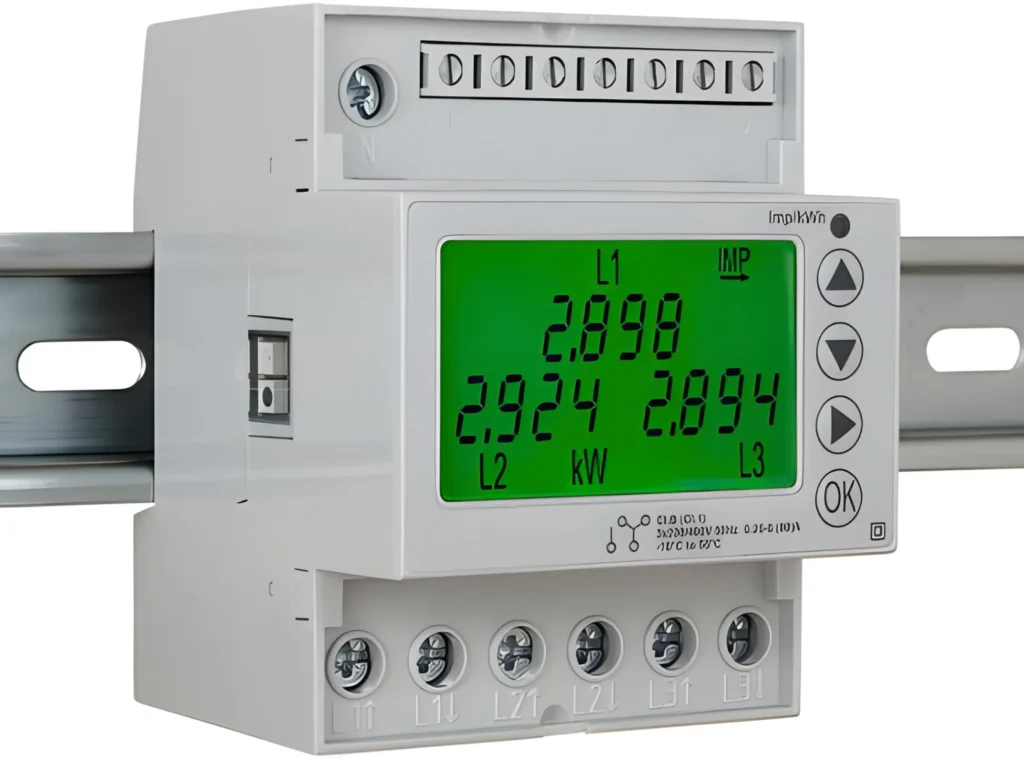
Real-time monitoring via digital displays
Communication protocols for SCADA or BMS integration
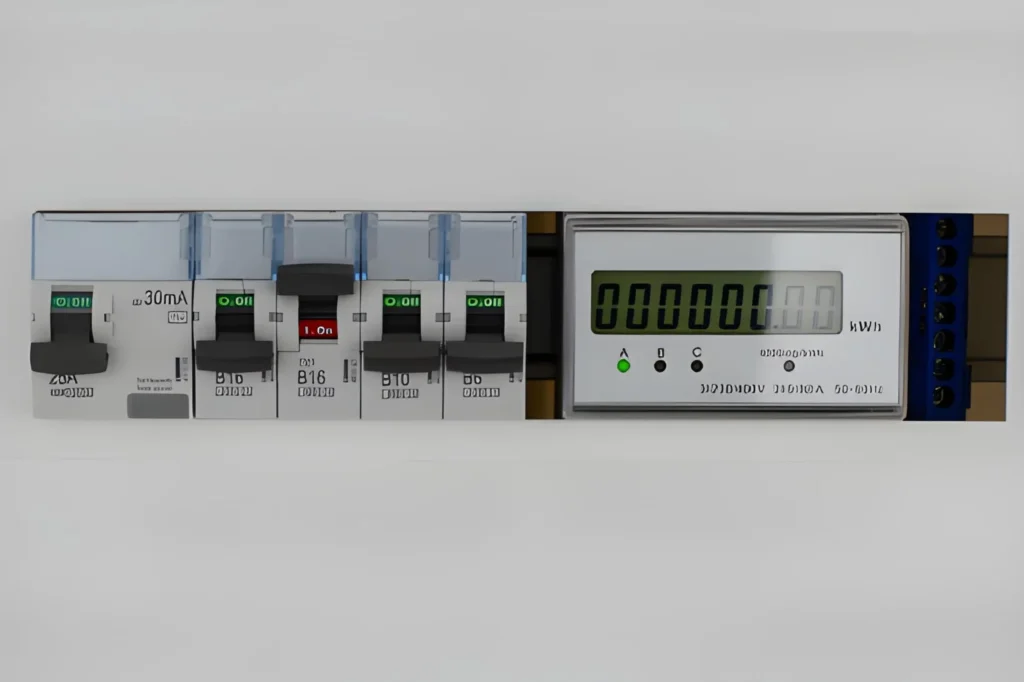
Built-in electric power meters for energy tracking
Fault diagnostics and alarm logging
These features allow you to monitor consumption, detect inefficiencies, and support compliance reporting. For energy-conscious facilities, this added visibility is a major advantage.
Cost considerations and ROI
Cost is always part of the decision.
While static converters are cheap upfront, they may cost more over time due to inefficiency and equipment wear. Digital systems have higher initial prices but often deliver faster return on investment through:
Reduced energy losses
Extended motor life
Lower maintenance costs
When evaluating 3 phase power from single phase, it is worth looking beyond the purchase price and focusing on lifecycle cost.
If you are unsure how to calculate ROI for your specific load profile, this is a good point to contact us for a quick technical discussion or request a tailored quotation.
Safety and compliance considerations
Electrical safety should never be an afterthought.
Any conversion system must comply with local electrical codes and standards. This includes proper grounding, overcurrent protection, and enclosure ratings.
In regulated industries, accurate power measurement is also critical. Integrating certified electric power meters ensures compliance with internal audits and external inspections.
Working with qualified electricians and engineers is strongly recommended when deploying these systems.
Conclusion
If your operation is limited by single-phase service, you are not stuck. 3 phase power from single phase offers a proven and flexible way to run industrial equipment without major infrastructure changes.
By understanding the available technologies, evaluating specifications carefully, and considering long-term costs, you can make a confident and informed decision. Whether you are powering motors, HVAC systems, or monitoring energy with advanced electric power meters, the right solution can unlock performance you may not have thought possible.
If you are exploring options or want expert input tailored to your application, we are always ready to help you take the next step with confidence.
FAQ
Can electric power meters measure converted three-phase power accurately?
Yes. Modern three-phase electric power meters are designed to measure voltage, current, power, and energy accurately, even when the source is converted from single-phase supply.
Is 3 phase power from single phase suitable for continuous industrial use?
With digital phase converters or VFDs, the answer is yes. These systems provide stable and efficient output suitable for continuous operation.
Do I need a special power meter for three-phase loads?
You should use a true three-phase power meter. It provides accurate readings for balanced and unbalanced loads and supports energy monitoring and reporting.
Will conversion affect motor lifespan?
Properly designed systems can actually extend motor life by delivering stable voltage and frequency, reducing thermal stress.
Is upgrading utility service always better than conversion?
Not necessarily. Utility upgrades can be expensive and time-consuming. In many cases, local conversion offers faster deployment and lower overall cost.
Have you noticed more customers searching for “three phase electric meter” and wondered how to turn that interest into real business? In this blog, we will walk through what a three phase electric meter is, where it is used, and how you can help your customers choose the right model with confidence. Three phase power […]
Have you ever wondered how large buildings, factories, and commercial facilities keep track of their massive energy consumption? Here’s the thing: traditional meters just can’t handle the job anymore. That’s where a three phase smart meter comes into play, transforming the way businesses monitor and manage their electrical usage. If you’re running a commercial operation or managing […]
Ever looked at your electricity bill and wondered, “What exactly am I paying for?” An accurate electricity energy meter is the quiet little device that answers that question, line by line, kilowatt-hour by kilowatt-hour. In this guide, we will walk through what it is, how it works, and how you can choose the right model for your home, […]
We use cookies to enhance your browsing experience, serve personalised ads or content, and analyse our traffic. By clicking "Accept All", you consent to our use of cookies.