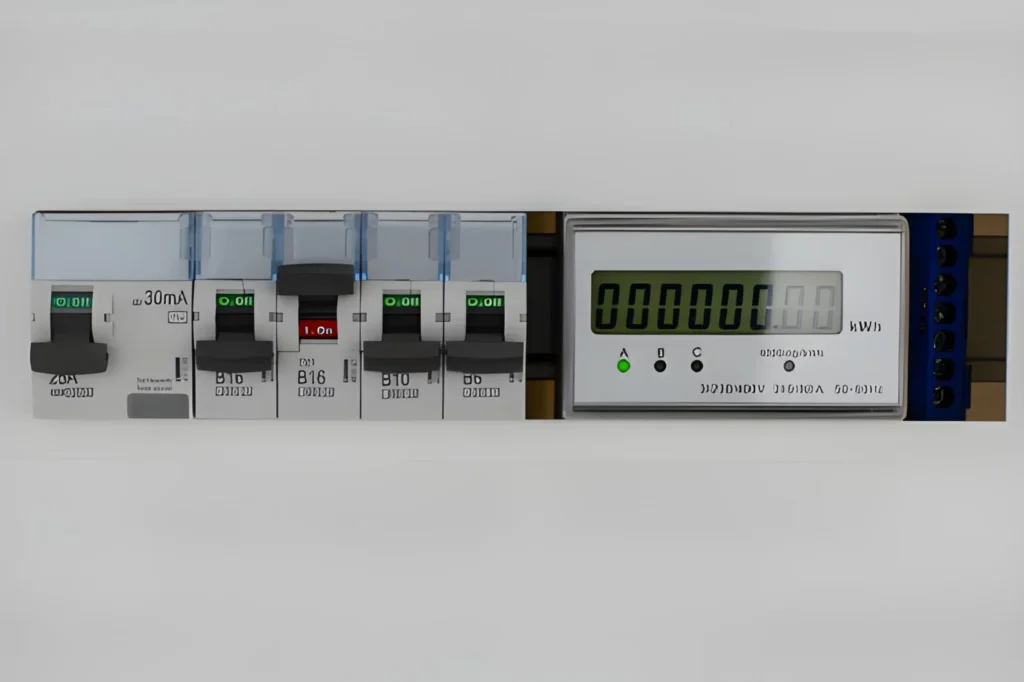
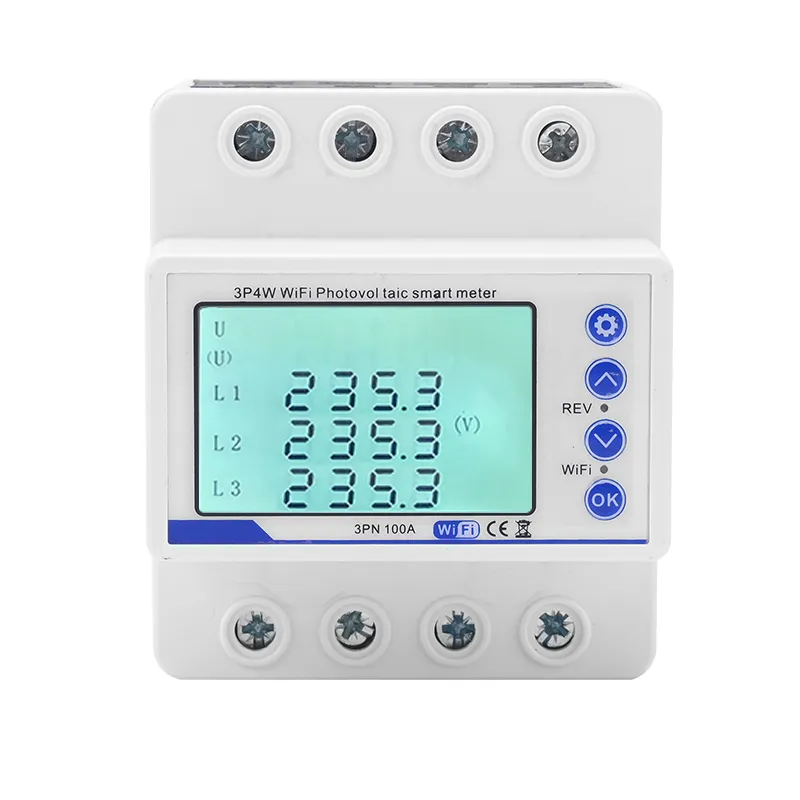
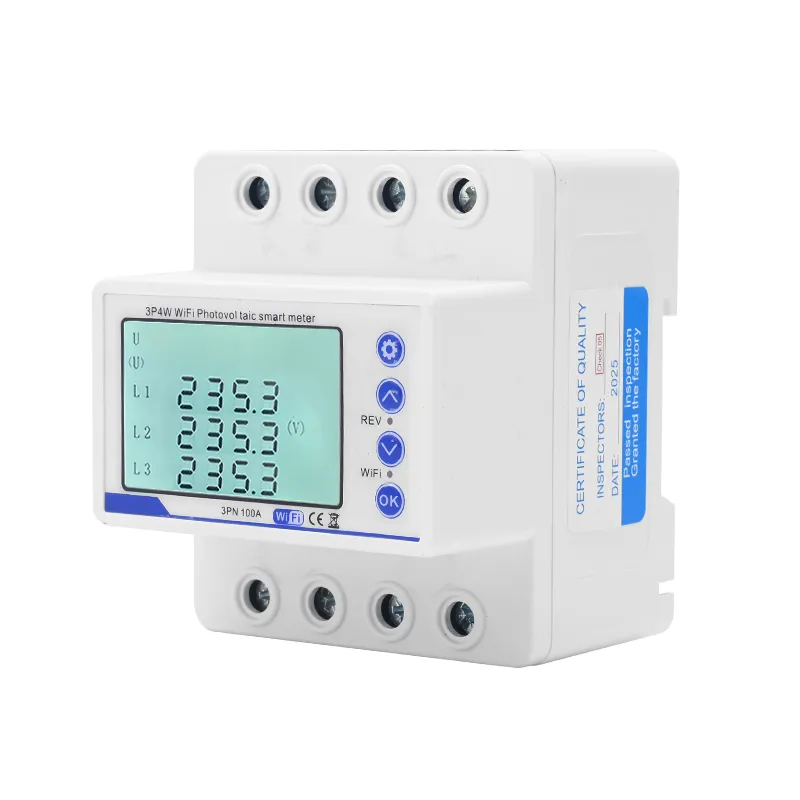
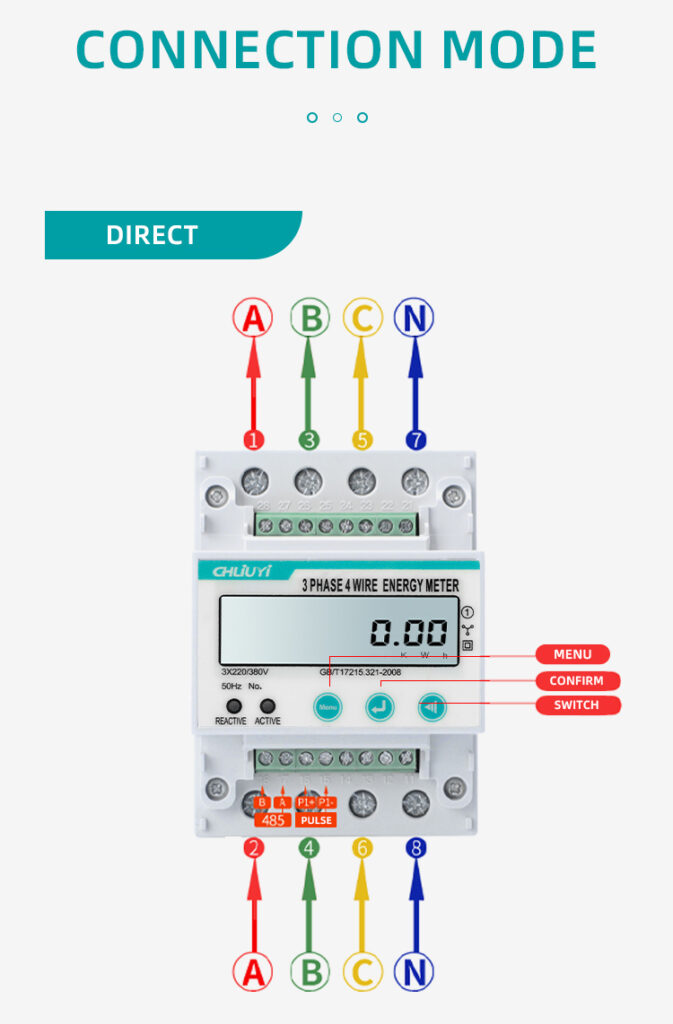
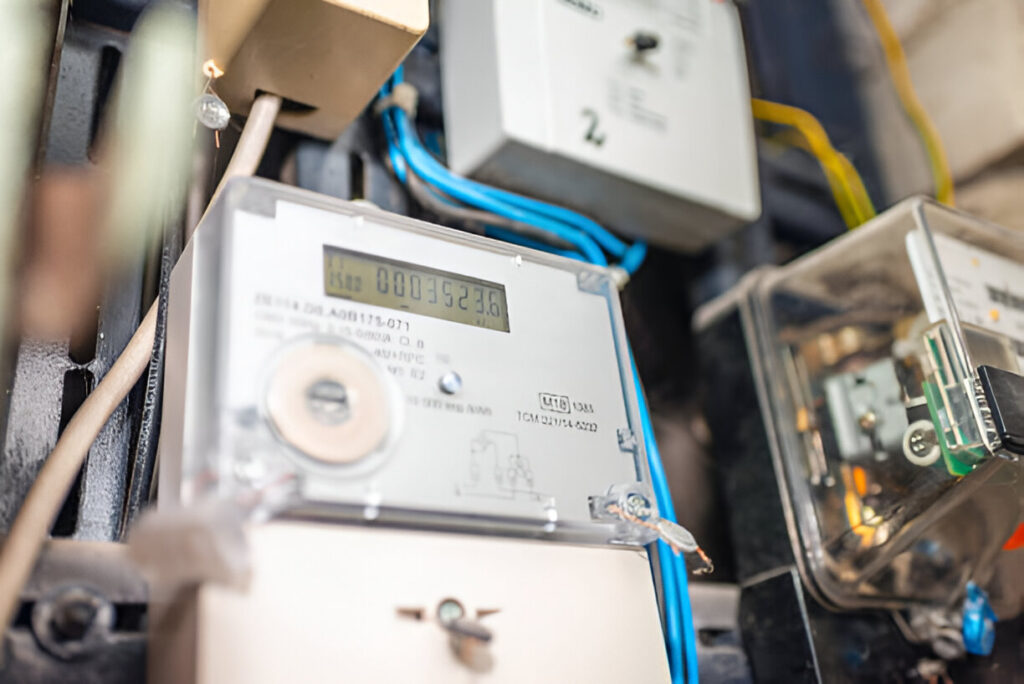
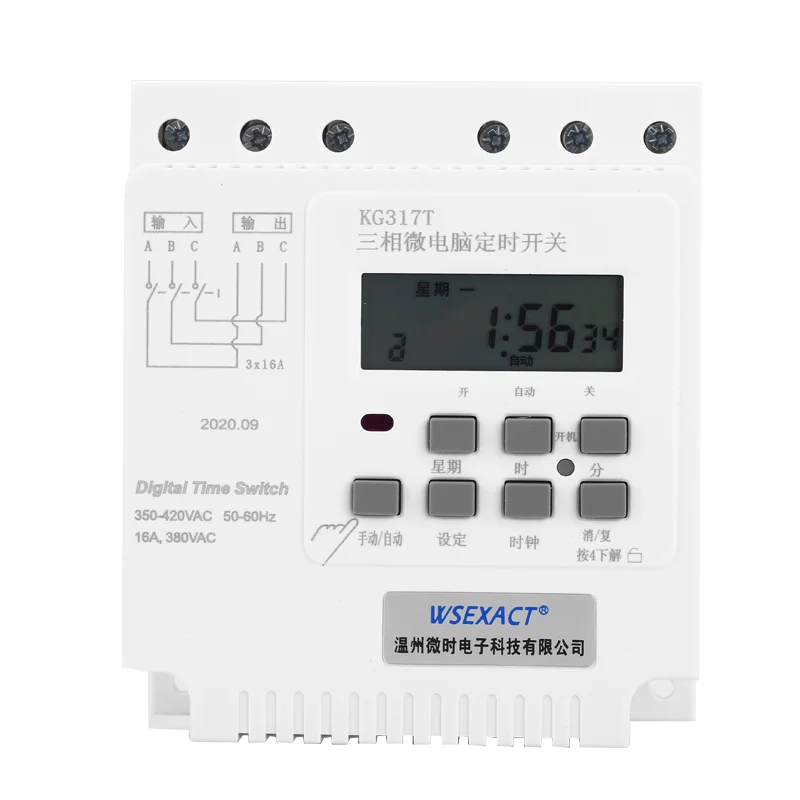
A three-phase meter is an instrument used to measure electricity use.
It records energy consumption with high accuracy. This type of meter is commonly installed in factories, large commercial buildings, and certain residential properties.
Three-phase power systems use three separate current lines. This structure allows them to carry more power and operate more efficiently than single-phase systems.
What is a Three Phase System?
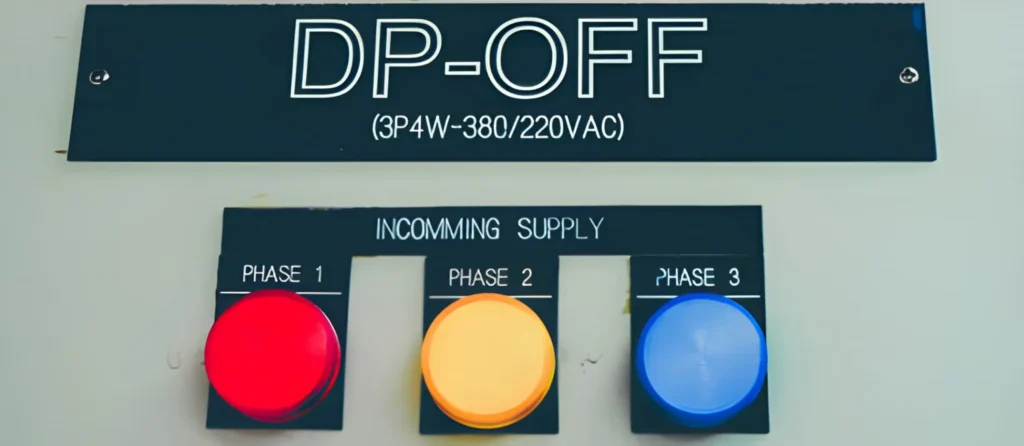
A three-phase system is a power setup that uses three separate current paths. It is commonly referred to as three-phase alternating current. In this system, each phase is spaced 120 degrees apart. This design helps deliver steady and balanced power. Compared with single-phase systems, three-phase systems can handle greater power loads.
Function of Three Phase Meter
The primary role of a three-phase meter is to measure electricity usage with precision. In a three-phase power system, the meter tracks energy use on each phase individually. It then combines these readings to calculate total consumption. The results are typically shown in kilowatt-hours. These values are used as the basis for customer energy billing.
The basic functions of the three-phase meter
Energy Consumption Measurement The meter measures electricity use on each phase and calculates the total energy consumed. This process ensures that users receive accurate and fair billing.
Power Factor Measurement Power factor plays an important role in three-phase systems. The meter assesses this value to indicate how efficiently the electrical system is operating.
Overload Detection Certain three-phase meter models can identify overload conditions. When this happens, they provide warnings that help reduce the risk of damage or system failure.
Data Recording and Transmission Many modern meters are capable of storing usage data and sending it to external systems. This feature allows for remote monitoring and efficient energy management.
Advantages of Three Phase Meter
Three-phase meters offer several important advantages.
High Power Capacity:Three-phase systems can handle much higher power levels than single-phase systems. This makes them suitable for large factories and commercial buildings.
Balanced Energy Distribution:Energy is shared evenly across the three phases. This balance results in smoother and more stable power delivery.
Improved Efficiency:By measuring electricity use with accuracy, three-phase meters support better energy control and more effective management.
Industrial Suitability:These systems are well suited to the heavy energy demands found in industrial environments.
Because of these benefits, three-phase meters are widely used where large amounts of electricity are required. They help track and manage energy use accurately, improve overall system performance, and support better control of energy costs.
Choose the Right Three Phase Meter for Your Needs
Discover reliable Three Phase Meters designed for accurate measurement and stable performance in industrial and commercial applications.
A Three Phase Meter is used to measure electricity consumption in systems with three-phase power. It is common in factories, commercial buildings, and high-load environments.
How does a Three Phase Meter work?
It measures energy use on each of the three phases separately and then combines the data to calculate total power consumption.
What is the difference between single-phase and three-phase meters?
Single-phase meters are used for low power loads, while three-phase meters support higher power capacity and more stable energy distribution.
Where are Three-Phase Meters commonly installed?
They are typically installed in industrial plants, large commercial facilities, and buildings with heavy electrical equipment.
Why is a Three-Phase Meter important for energy management?
It provides accurate consumption data, helps monitor system efficiency, and supports better control of energy costs.
Energy MeterAn energy meter measures and records the total amount of electrical energy used by a circuit or device over a set period. It is commonly found in homes, businesses, and factories to track electricity use accurately. Energy meters are important for billing and help people keep an eye on how much energy they are […]
When working with electric motors or industrial equipment, understanding the difference between single-phase and three-phase power is crucial. Single-phase power uses one alternating voltage waveform, typically found in most residential and light commercial settings. In contrast, three-phase power consists of three voltage waveforms, each offset by 120 degrees, providing a more constant and balanced power […]
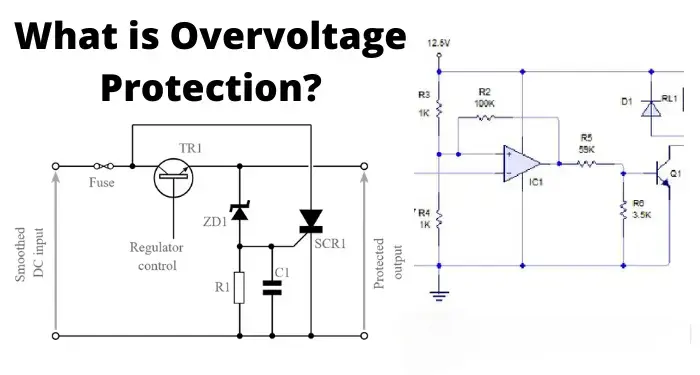
Discover comprehensive overvoltage protection techniques to safeguard your electrical systems. Learn how to prevent damage from lightning, switching, and other surges—keep your power system safe today!
We use cookies to enhance your browsing experience, serve personalised ads or content, and analyse our traffic. By clicking "Accept All", you consent to our use of cookies.