When working with electric motors or industrial equipment, understanding the difference between single-phase and three-phase power is crucial. Single-phase power uses one alternating voltage waveform, typically found in most residential and light commercial settings. In contrast, three-phase power consists of three voltage waveforms, each offset by 120 degrees, providing a more constant and balanced power supply.
Key Differences: Voltage Waveforms, Wiring, and Applications
Voltage Waveforms: Single-phase power delivers a single AC waveform, causing voltage to dip to zero three times per cycle. Three-phase power provides overlapping waveforms, resulting in steady voltage and smoother power delivery.
Wiring: Single-phase systems usually have two wires (live and neutral), while three-phase systems have three live wires plus a neutral, allowing for more efficient distribution.
Applications: Single-phase power suits household appliances and light machinery. Three-phase power is preferred for industrial motors, heavy equipment, and large HVAC systems because it handles higher loads more efficiently.
Why Three-Phase Power Is Better for Motors and Equipment
Three-phase power allows electric motors to run smoothly with less vibration and more consistent torque. It provides better power efficiency, reduces electrical losses, and enables equipment to start more easily. This stability makes three-phase systems the top choice for workshops, farms, and manufacturing plants where reliability and performance matter.
Limitations of Running Three-Phase Equipment on Single-Phase Power Without Conversion
Running a three-phase motor or equipment directly on single-phase power leads to several problems:
Overheating: Motors can draw excessive current on the available single-phase line, causing overheating and potential damage.
Reduced Power: The motor won’t develop its full rated torque, resulting in poor performance and inefficient operation.
Shorter Lifespan: Without proper phase conversion, equipment is prone to early failure and increased maintenance.
Because of these limitations, using a single phase to three phase converter is essential when you need to power three-phase gear from a single-phase supply safely and effectively.
Main Methods to Convert Single-Phase to Three-Phase Power
If you need to run three-phase motors or equipment from a single-phase source, several effective methods exist. Each comes with its own strengths, weaknesses, and best use cases.
Variable Frequency Drives (VFDs)
VFDs are electronic devices that convert single-phase power to variable frequency three-phase output. They adjust motor speed by controlling frequency and voltage, making them perfect for single motor control setups.
Best for: Single motors requiring precise speed control, like pumps or CNC machines.
Pros: Efficient, smooth motor startup, energy-saving, adjustable speed.
Cons: Higher upfront cost, need compatible motors, limited for heavy loads running multiple motors.
Installation tips: Ensure proper grounding, use appropriate input voltage (VFDs often accept single-phase input but output three-phase), and follow manufacturer wiring diagrams carefully. For precision applications, advanced VFDs offer programmable settings that enhance performance.
Static Phase Converters
Static phase converters create a third phase temporarily during motor startup by using capacitors or relays, then drop the extra phase once running.
Best for: Light-duty motors with low starting torque needs.
Pros: Low cost, simple to install.
Cons: Reduced motor power (about 2/3 of rated power), motors run less efficiently, not suitable for heavy or continuous loads.
Static converters are a quick fix but don’t provide a true balanced three-phase supply.
Rotary Phase Converters
Rotary phase converters use an idler motor to produce the third phase continuously, creating a balanced three-phase output from single-phase input.
Best for: Multiple motors or heavy-duty applications such as workshops or farms.
Pros: Reliable for larger loads, better power quality than static converters, can run multiple machines on the same unit.
Cons: Larger initial cost, more maintenance due to moving parts, noisier operation.
You can either buy a pre-built rotary phase converter or build your own, but professional installation is recommended to ensure safety and longevity.
Digital/Solid-State Phase Converters
Digital phase converters use advanced electronics and microprocessors to produce balanced three-phase power with low harmonic distortion.
Best for: Precision equipment needing smooth, clean power, like CNC machines or sensitive electronics.
Pros: High power quality, compact, efficient, less noise.
Cons: Higher price point, sometimes limited horsepower range.
Advanced digital converters offer real-time monitoring, software controls, and better protection features than traditional converters.
Choosing the right single-phase to three-phase converter depends heavily on your load type, budget, and power quality needs. For detailed performance measurement or energy monitoring in your system, consider integrating a single-phase electronic electrical measurement module to keep track of usage and efficiency effectively.
Comparison of Single-Phase to Three-Phase Conversion Methods
When deciding how to convert single phase to three phase power, it’s crucial to weigh cost, horsepower capacity, power quality, and more. Here’s a quick comparison of the main methods:
Method
Cost
Horsepower Range
Power Quality
Multi-Load Support
Noise Level
Efficiency
Best Use Case
Variable Frequency Drive (VFD)
Moderate to High
Up to 100+ HP (depends on model)
Excellent (balanced output)
Usually single motor only
Low
High
Precise motor control, CNC machines, pumps
Static Phase Converter
Low
Up to ~5 HP
Poor (unbalanced phases)
Single motor only
Low
Low
Light-duty motors, occasional use
Rotary Phase Converter
Moderate
1 HP to 50+ HP
Good (near balanced)
Multiple motors
Moderate to High
Moderate
Workshops, multiple machines, farm equipment
Digital/Solid-State Phase Converter
High
Varies (small to medium motors)
Excellent (stable phases)
Single or multiple loads
Low
High
Sensitive, precision equipment, CNC, lab gear
When to Choose Each Phase Converter
VFDs: Best if you need precise speed control and smooth startup. Ideal for single motors with variable speed demands but generally costlier.
Static Phase Converters: Go for these if budget is tight and motor power is low. They’re simple but not great for continuous heavy use due to unbalanced phases and reduced torque.
Rotary Phase Converters: A great all-around choice if running multiple motors or heavier equipment. They produce near-balanced three phase and handle loads well, but expect some noise and maintenance.
Digital Phase Converters: Premium choice for applications requiring clean, balanced power with minimal noise. Ideal in sensitive environments but are usually more expensive.
Think about your load type, budget, and whether you expect to run multiple machines simultaneously. For workshops or agricultural setups, rotary phase converters often strike the best balance. For precision CNC or lab gear, digital or VFD conversion makes more sense.
If you want to dive deeper into the differences between these power types, you can check out our detailed guide on single-phase vs three-phase power.
Sizing and Selecting the Right Converter
Choosing the right single phase to three phase converter starts with understanding your motor’s power needs. Focus on motor horsepower (HP) first—this tells you how much power your converter needs to handle. Remember, starting load is usually higher than running load, so size your converter to handle those startup amps without overheating or tripping.
Next, consider voltage requirements and balance. A good phase converter should provide a stable, balanced three-phase output to protect your equipment and extend motor life. Don’t forget derating—if your motor runs continuously near its max load or in hot environments, pick a converter with extra capacity.
Planning for future expansion can save you money. If you expect to add more motors or increase load down the line, size your converter to handle that growth now.
Safety is key. Use overload protection and proper grounding to prevent damage or injury. It’s best to have a professional electrician handle the installation to ensure wiring is done correctly and meets local codes.
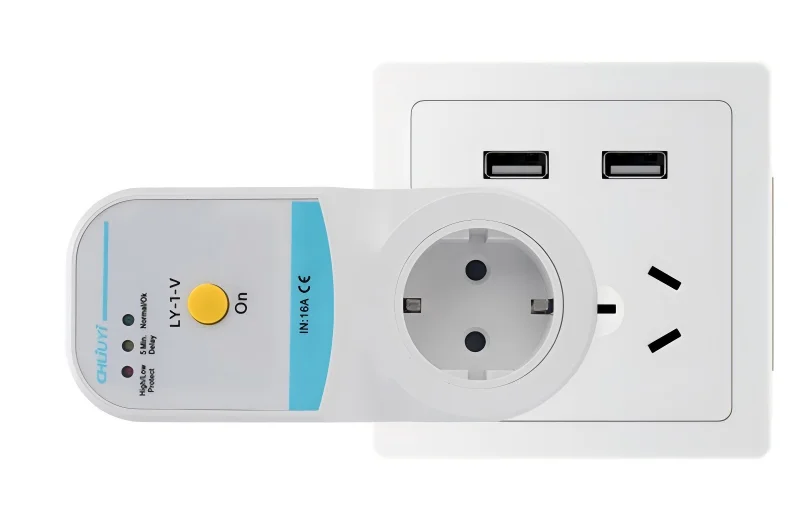
Choosing the wrong converter can lead to inefficiency or equipment damage, so take time calculating your needs carefully before buying your phase converter. For extra protection, consider devices like intelligent self-resetting overvoltage and undervoltage protectors to guard your equipment from power fluctuations.
Installation and Wiring Basics
Getting three-phase power from single-phase isn’t just about picking the right phase converter—you also need proper installation and wiring to make it work safely and reliably. Because working with electrical systems involves risks, I always recommend hiring a qualified electrician for this part. They’ll ensure everything is wired to code and set up for optimal performance.
Here’s a quick step-by-step overview of what installation usually involves:
Assess your power supply and load requirements. Confirm the voltage, motor horsepower, and running vs starting load to pick the right converter size.
Mount the phase converter and any associated equipment like control panels, fuses, or circuit breakers.
Wire the single-phase input correctly from your main supply to the converter. Ensure proper grounding and use correct cable sizes.
Connect the three-phase output to your motor or equipment. Follow manufacturer wiring diagrams closely—these vary by converter type (VFDs, rotary phase converters, static converters).
Test the system for voltage balance and proper operation. Balanced three-phase output helps avoid motor damage and overheating.
Integrate transformers if you need to step up or step down voltage. For example, converting 230V single-phase input to 400V three-phase output often requires a transformer installed before or after the converter.
Common wiring diagrams for popular converters differ, but here are simplified points:
Variable Frequency Drives (VFDs) typically take single-phase input and convert it electronically to stable three-phase output, with wiring for control signals and safety disconnects.
Rotary Phase Converters need connections for single-phase power input, three-phase output, and the idler motor.
Static Phase Converters involve simpler wiring but only power part of the motor’s startup process.
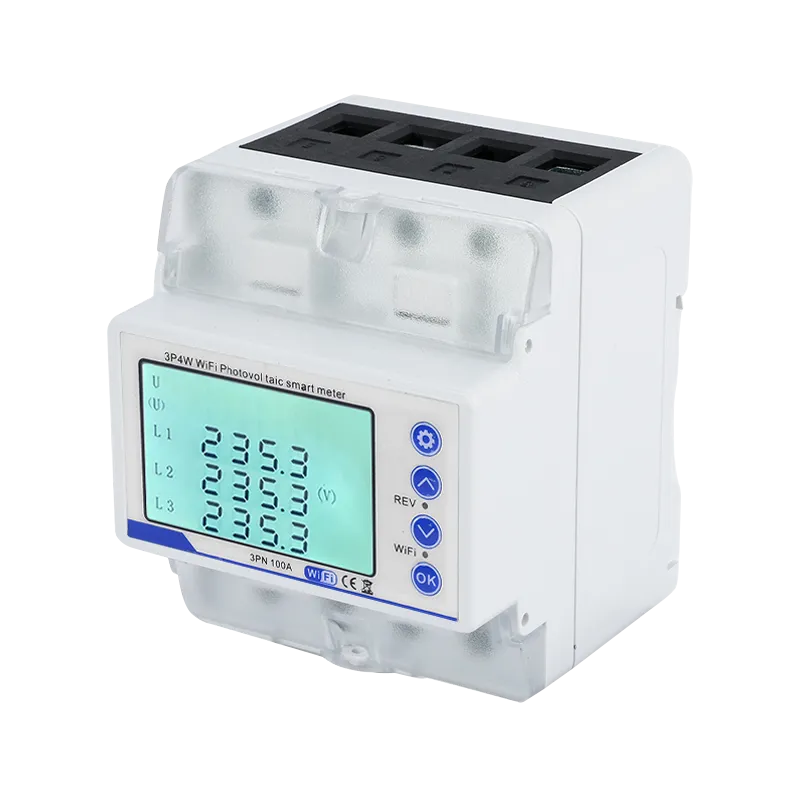
If you want reliable voltage monitoring alongside your phase conversion setup, check out devices like three-phase four-wire transparent energy meters, which can help maintain balanced loads and protect your equipment.
In , proper installation and wiring are critical when you convert single phase to three phase power. Getting professionals involved and following wiring standards protects your investment and keeps your motors running smoothly.
Costs, Maintenance, and Alternatives
When looking to convert single phase to three phase power, knowing the costs upfront can save headaches. Here’s a quick rundown:
Static Phase Converters are usually the cheapest option, costing anywhere from $100 to $500 depending on horsepower. They’re great for light-duty loads but don’t provide full power, so they’re not ideal for continuous heavy use.
Rotary Phase Converters range from $1,000 to $3,000 or more. They handle multiple and heavy loads better, making them a common choice in workshops and farms.
Variable Frequency Drives (VFDs) typically start around $400 and can go past $2,000 for higher horsepower models. VFDs not only convert power but also let you control motor speed, perfect for precision tasks but a bit more complex to install.
Digital/Solid-State Phase Converters tend to be pricier upfront, often $1,500 and up, but offer very clean, balanced power and are ideal for CNC machines or sensitive equipment.
Maintenance tips to extend your converter’s life include:
Regularly checking and cleaning components to prevent dust build-up.
Monitoring any idler motors or moving parts if using a rotary phase converter.
Ensuring proper ventilation and avoiding overloads.
Verifying connections annually and scheduling professional inspections.
Sometimes, investing in a phase converter might not be the best long-term plan. If your power demands grow, or if you need guaranteed reliable three-phase power, consider:
Upgrading to a utility three-phase supply, which may involve working with your power company. It’s pricier initially but offers true three-phase reliability with no additional equipment.
Replacing single-phase motors with compatible models when possible to avoid conversion entirely.
Choosing between converters, upgrades, or motor swaps depends on your budget, power needs, and how critical the equipment’s reliability is. For those carefully managing electrical loads or planning expansions, looking into smart power management tools like the three-phase multi-function meters can help keep tabs on usage and performance.
Real-World Applications and Case Studies
Converting single phase to 3 phase power is common in many practical settings where three-phase power isn’t readily available. Workshops often use rotary phase converters or variable frequency drives (VFDs) to run their CNC machines and other heavy three-phase tools smoothly without upgrading their entire electrical system. These solutions help avoid costly wiring changes while keeping machines efficient.
In agriculture, pumps and irrigation equipment designed for three-phase power frequently rely on static or rotary phase converters. Users appreciate the reliability and improved motor performance, especially with balanced three-phase power from single-phase sources, which prevents overheating and extends equipment life.
Machining and fabrication shops have shared success stories using VFD single phase input setups. These allow precise motor speed control and cleaner power, ideal for sensitive or precision equipment. Many report fewer startups failures and smoother operation compared to static converters.
User feedback highlights:
Workshops: Reduced machinery downtime and flexible expansion options.
Farm equipment three phase conversion: Cost-effective power solutions without full rewiring.
Phase converter for workshop users find rotary phase converters practical for multi-machine setups.
These real-world experiences prove that choosing the right phase conversion method can save time and money while boosting equipment longevity. For detailed technical setups, professionals often check guides on safely reading and monitoring power usage, such as those found in this digital display guide.
Smart Energy Meter Overview Discover the Liuyi eSmart Energy Meter — your reliable digital electricity meter designed for modern homes. Stay in control of your energy with: This WiFi smart energy monitor offers a simple way to manage your energy use, making it the perfect energy-saving device for any household. Key Features & Benefits of […]
Have you noticed more customers searching for “three phase electric meter” and wondered how to turn that interest into real business? In this blog, we will walk through what a three phase electric meter is, where it is used, and how you can help your customers choose the right model with confidence. Three phase power […]
Discover Liuyi Electric’s durable socket type protectors offering childproof safety caps waterproof covers and dustproof outlet guards for home security.
We use cookies to enhance your browsing experience, serve personalised ads or content, and analyse our traffic. By clicking "Accept All", you consent to our use of cookies.