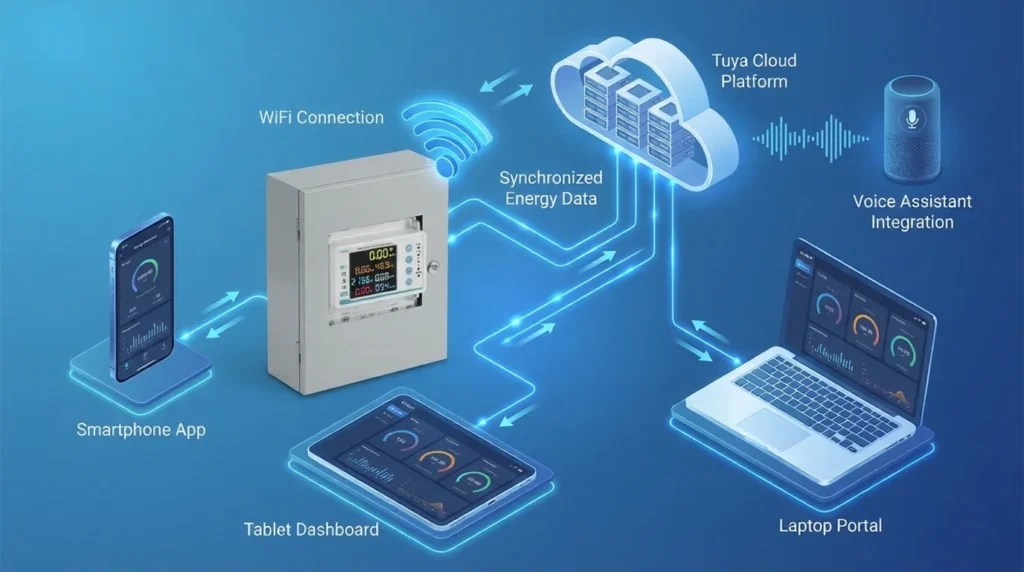
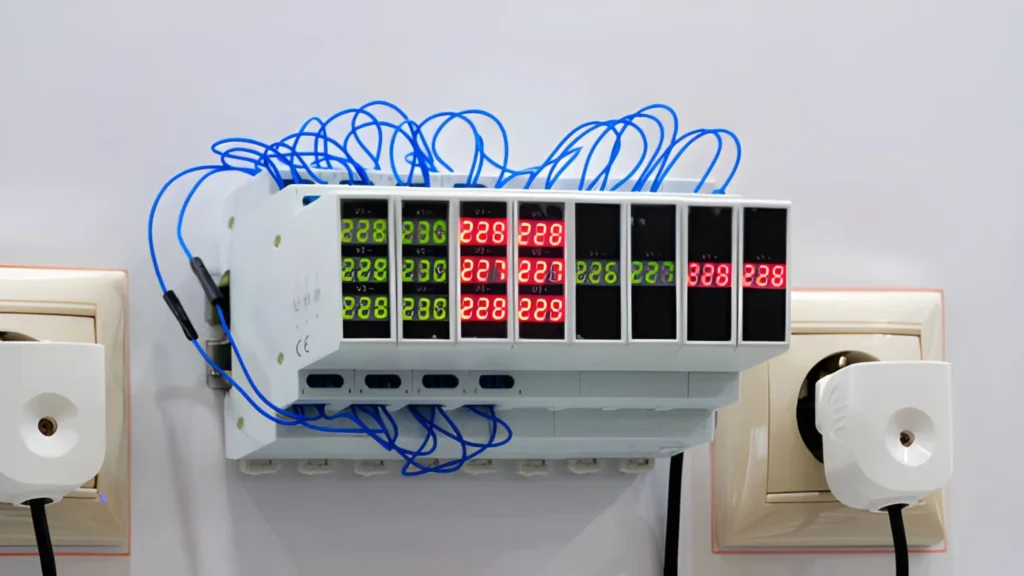
Modern facility managers and energy procurement specialists increasingly adopt Tuya WiFi smart energy meters to transform traditional energy monitoring into intelligent, cloud-connected systems accessible from anywhere. These innovative devices combine precision electrical measurement with wireless connectivity, enabling real-time visibility into power consumption through smartphone applications. WiFi-enabled smart meters integrate seamlessly with the Tuya IoT platform, providing industrial facilities, commercial buildings, and distributed energy installations with comprehensive remote monitoring capabilities, automated control functions, and data-driven insights that drive measurable energy savings and operational efficiency improvements.
100A Single Phase WiFi Photovoltaic Smart Meter
What Are Tuya WiFi Smart Energy Meters?
Tuya WiFi smart energy meters represent the convergence of precision electrical measurement technology and Internet of Things connectivity. These devices measure comprehensive power parameters including voltage, current, active power, reactive power, power factor, frequency, and cumulative energy consumption while transmitting data wirelessly to cloud platforms accessible via mobile applications and web interfaces.
Tuya Platform Integration Architecture
The Tuya IoT ecosystem provides the underlying infrastructure enabling WiFi smart energy meters to connect with mobile devices, voice assistants, and home automation systems. Manufacturers integrate Tuya’s wireless communication modules and software development kits into meter hardware, allowing devices to communicate with Tuya’s cloud servers using secure encrypted protocols. This standardized approach creates interoperability across thousands of compatible smart devices, enabling facility managers to build comprehensive automation ecosystems from diverse equipment suppliers.
Tuya-enabled meters establish WiFi connections to local wireless networks using standard 2.4GHz protocols, compatible with existing commercial and residential network infrastructure. During initial configuration, users employ the Tuya Smart or Smart Life mobile applications to provision meters onto networks through guided setup processes. Once connected, meters maintain persistent cloud connections, uploading measurement data at configurable intervals while receiving remote commands for relay control, threshold adjustments, and configuration updates.
The cloud-based architecture eliminates the need for on-premise server infrastructure, with Tuya’s global server network providing data storage, processing, and distribution services. This Software-as-a-Service model enables small and medium facilities to access enterprise-grade energy management capabilities without capital investments in IT infrastructure. Single-phase smart meters with Tuya integration deliver sophisticated monitoring features previously available only in costly industrial SCADA systems.
Technical Measurement Specifications
Professional Tuya WiFi smart energy meters incorporate high-accuracy measurement circuits meeting IEC 62053-21 Class 1 or Class 0.5 standards, ensuring reliable data for energy management and billing applications. These devices employ precision current transformers or Rogowski coils for current sensing, combined with voltage divider networks for voltage measurement. Dedicated energy metering integrated circuits perform real-time power calculations, accumulating consumption data with 0.5-1.0% accuracy across wide load ranges.
Typical measurement capabilities include:
Voltage measurement: 85-265V AC with ±1% accuracy
Current monitoring: 5-100A depending on model capacity
Active energy: 0.01 kWh resolution with Class 1 accuracy
Power factor: 0.001 resolution across inductive and capacitive loads
Frequency: 45-65 Hz with 0.1 Hz resolution
Reactive power and energy for power quality analysis
Advanced models incorporate harmonic analysis functions, tracking total harmonic distortion in voltage and current waveforms. This power quality monitoring capability identifies equipment malfunctions, overloaded neutral conductors, and non-linear loads degrading electrical system efficiency.
Hardware Design and Installation Formats
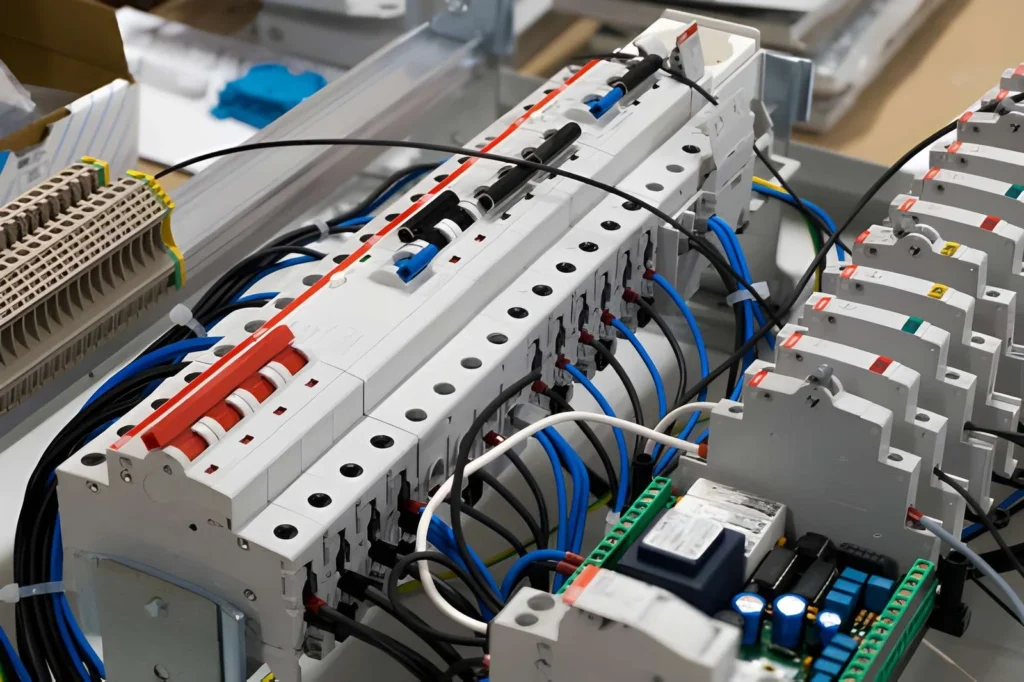
Tuya WiFi smart energy meters utilize DIN rail mounting for professional electrical panel installations, featuring compact form factors occupying 4-8 modular units on standard 35mm rails. This installation method simplifies integration into existing distribution panels without requiring specialized mounting hardware. Terminal blocks accommodate wire sizes from 1.5mm² to 10mm², suitable for branch circuit and sub-main monitoring applications.
Industrial-grade designs incorporate polycarbonate housings with IP20 or IP40 ingress protection ratings, suitable for indoor panel installations. Higher-specification models offer IP65-rated enclosures for harsh environments or outdoor installations where meters face exposure to dust, moisture, or temperature extremes. Operating temperature ranges typically span -10°C to +55°C, adequate for most commercial and light industrial applications.
Built-in LCD displays provide local readout of key parameters without requiring application access. Multi-line displays rotate through voltage, current, power, and energy information at configurable intervals. Backlit screens improve visibility in dimly-lit electrical rooms, while tactile button interfaces enable manual relay control and display navigation when wireless connectivity is unavailable.
Key Features and Technical Capabilities
Tuya WiFi smart energy meters deliver comprehensive functionality extending beyond basic energy measurement, incorporating intelligent automation, remote control, and predictive capabilities that transform passive monitoring into active energy management.
Real-Time Data Acquisition and Visualization
Mobile applications connected to Tuya WiFi energy meters display instantaneous electrical parameters refreshed at 1-5 second intervals, enabling real-time visibility into equipment operating conditions. Dashboard interfaces present voltage, current, active power, and power factor in graphical and numerical formats, allowing quick assessment of load status without accessing physical meters. This immediate feedback proves invaluable for commissioning new equipment, diagnosing operational anomalies, and verifying power supply stability.
Historical data logging captures measurement trends at 15-minute or hourly intervals, storing information in cloud databases accessible through application reporting features. Time-series graphs illustrate consumption patterns across daily, weekly, and monthly timeframes, revealing usage trends, peak demand periods, and baseline consumption levels. Facility managers export data in CSV or PDF formats for detailed analysis, utility bill verification, or integration with enterprise energy management systems.
Comparison functions within applications overlay current consumption against historical baselines or user-defined targets, immediately highlighting deviations requiring investigation. For example, a three-phase smart meter monitoring production equipment can alert managers when power consumption drops below expected levels, indicating potential equipment faults or production slowdowns requiring immediate attention.
Remote Control and Circuit Management
Beyond monitoring, many Tuya WiFi smart energy meters integrate electromechanical relays enabling remote circuit control through mobile applications. Users toggle connected loads on or off with single button presses, providing convenient load management without physical access to electrical panels. This capability proves particularly valuable for distributed facilities, remote sites, or after-hours control scenarios where dispatching personnel proves time-consuming or costly.
Relay specifications vary by model, with typical configurations supporting 40A to 100A switching capacity at 250V AC. Magnetic latching relays maintain state during power interruptions, preventing unexpected equipment restarts when electrical service resumes. Manual override buttons provide local control independence from wireless connectivity, ensuring circuit management remains possible during network outages or application malfunctions.
Advanced safety interlocks prevent accidental equipment damage by enforcing minimum off-times before allowing relay reclosure, protecting motors and transformers from rapid cycling damage. Configurable confirmation prompts within applications reduce inadvertent disconnections, requiring users to acknowledge critical load control actions before execution.
Intelligent Automation and Threshold Management
Tuya WiFi smart energy meters support sophisticated automation rules programmed through mobile applications, transforming passive monitoring into proactive energy management. Users define threshold conditions based on measured parameters, triggering actions when values exceed or fall below specified limits. Common automation scenarios include:
Overcurrent Protection: Configure meters to automatically disconnect circuits when current exceeds safe operating levels, protecting wiring and equipment from overload damage. Adjustable delay settings prevent nuisance tripping from brief inrush currents while maintaining protection against sustained overloads.
Demand Limiting: Establish power consumption thresholds aligned with utility demand charges, receiving alerts when approaching penalty levels. Automated load shedding can disconnect non-essential equipment when threshold violations occur, avoiding costly demand surcharges.
Energy Budget Management: Set daily or monthly energy consumption targets, with applications providing progressive alerts as usage approaches limits. This proactive notification enables corrective actions before budget overruns occur.
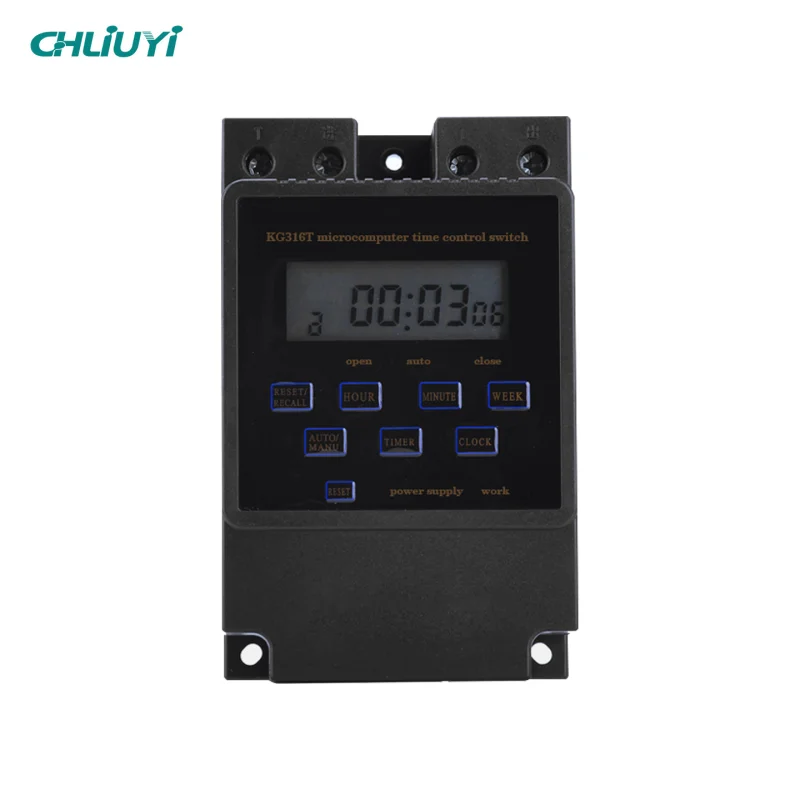
Schedule-Based Control: Program time-based switching schedules for equipment requiring automated operation outside normal business hours. HVAC systems, lighting circuits, and process equipment follow predefined schedules without manual intervention, ensuring consistent energy management practices.
The Tuya platform’s scene automation capabilities extend functionality further, enabling complex multi-device interactions. For example, a WiFi intelligent reclosing protector detecting voltage anomalies can trigger notifications while simultaneously deactivating sensitive equipment through coordinated meter relay actions.
Voice Control and Smart Home Integration
Tuya WiFi smart energy meters integrate with popular voice assistants including Amazon Alexa and Google Assistant, enabling hands-free circuit control through natural language commands. Users issue voice instructions such as “Alexa, turn off the workshop meter” or “OK Google, what’s the power consumption on the server room meter?” Voice control proves particularly convenient for accessibility requirements or situations where manual device interaction proves inconvenient.
Integration extends to comprehensive smart home and building automation platforms including Apple HomeKit, Samsung SmartThings, and IFTTT. These ecosystem connections enable sophisticated automation scenarios coordinating energy meters with sensors, cameras, thermostats, and other connected devices. For instance, occupancy sensors triggering meter-controlled lighting circuits optimize energy consumption in multi-tenant buildings, while temperature sensors modulate HVAC equipment based on actual thermal conditions rather than fixed schedules.
The open nature of Tuya’s platform ensures ongoing compatibility with emerging IoT standards and protocols, future-proofing installations against technological obsolescence. Regular firmware updates delivered through cloud connections add new features, improve security, and maintain compatibility with evolving mobile operating systems.
Remote Monitoring Through Mobile Applications
Mobile application interfaces serve as the primary user touchpoint for Tuya WiFi smart energy meter systems, providing intuitive dashboards, configuration tools, and notification management accessible from smartphones and tablets. The Tuya Smart and Smart Life applications offer functionally identical experiences, with users selecting their preferred option based on interface aesthetics or existing device ecosystems.
Application Setup and Device Provisioning
Initial meter configuration begins with application download from iOS App Store or Google Play Store, followed by account creation or login to existing Tuya accounts. Users sharing meter access across multiple team members benefit from Tuya’s device sharing features, granting controlled access to designated users without requiring primary account credential sharing.
Device addition employs simplified pairing processes guiding users through WiFi provisioning steps. Applications detect meters operating in pairing mode, displaying available devices for selection. Users provide WiFi network credentials, which applications securely transmit to meters during the pairing handshake. Successful provisioning completes within 30-60 seconds, adding meters to account device lists for immediate monitoring and control.
Applications automatically organize devices by location, type, or custom groupings defined by users. Facilities with multiple metering points benefit from hierarchical organization schemes grouping meters by building, floor, or functional area. This logical structure simplifies navigation in large installations, enabling rapid access to specific monitoring points without scrolling through extensive device lists.
Dashboard Customization and Data Presentation
Default dashboard layouts present key parameters in card-based interfaces emphasizing readability and quick comprehension. Users customize displays by reordering cards, selecting visible parameters, and adjusting refresh rates balancing real-time visibility against battery consumption on mobile devices. Landscape orientation support optimizes tablet viewing experiences, presenting additional data simultaneously while maintaining clarity.
Graphical widgets visualize consumption trends through line charts, bar graphs, and circular progress indicators. Interactive elements enable users to explore historical data by selecting date ranges, zooming into specific time periods, or comparing multiple meters simultaneously. Export functions generate formatted reports combining tabular data with embedded graphs, suitable for management presentations or regulatory compliance documentation.
Alert configuration interfaces enable users to define notification rules based on measurement thresholds, relay state changes, or communication status. Push notifications deliver instant alerts to registered mobile devices, while optional email notifications ensure critical alarms reach appropriate personnel regardless of application access. Notification filtering prevents alert fatigue by suppressing repetitive messages or applying acknowledgment requirements for critical warnings.
Multi-User Access Control and Security
Enterprise deployments require structured access control ensuring appropriate visibility and control permissions across organizational hierarchies. Tuya platforms support multiple user roles including administrators with full configuration authority, operators with monitoring and control capabilities, and viewers limited to read-only access. Smart metering systems serving multi-tenant buildings leverage these access controls to provide tenants with visibility into their own consumption while maintaining landlord oversight across all metering points.
Two-factor authentication enhances account security, requiring verification codes delivered via SMS or email during login attempts from unrecognized devices. This additional security layer protects against unauthorized access attempts resulting from credential compromise. Regular security audits of access logs identify suspicious activity patterns, enabling proactive response to potential security incidents.
Data transmission between meters, cloud servers, and mobile applications employs AES encryption protocols preventing interception or manipulation of measurement data and control commands. Certificates authenticate device identities during connection establishment, preventing man-in-the-middle attacks attempting to impersonate legitimate meters or application instances.
Energy Savings and Cost Optimization
The primary value proposition of Tuya WiFi smart energy meters centers on measurable energy savings and operational cost reductions achieved through enhanced visibility, automated control, and data-driven decision making. Studies indicate that comprehensive energy monitoring systems drive 10-15% consumption reductions through behavioral changes and targeted efficiency improvements.
Consumption Pattern Analysis and Baseline Establishment
Effective energy management begins with understanding current consumption patterns and establishing baseline performance metrics. Tuya WiFi smart energy meters provide the continuous measurement data required for comprehensive consumption profiling across daily, weekly, and seasonal cycles. Facilities analyze historical data identifying characteristic load profiles for different operational conditions including normal production, reduced-capacity operation, and idle states.
Baseline establishment quantifies expected energy consumption for standardized operating conditions, enabling objective performance comparisons over time. Deviations from established baselines trigger investigations identifying root causes including equipment degradation, operational changes, or anomalous conditions requiring corrective action. For example, DIN rail energy meters monitoring HVAC equipment revealing gradually increasing consumption may indicate degraded heat exchanger efficiency, failing motors, or refrigerant leaks requiring maintenance intervention.
Disaggregation techniques separate total facility consumption into constituent components attributable to specific systems or processes. Multi-point metering strategies deploy individual meters monitoring major equipment categories including lighting, HVAC, production machinery, and auxiliary systems. This granular visibility enables targeted efficiency initiatives focusing resources on highest-impact opportunities rather than pursuing facility-wide measures with uncertain benefits.
Demand Response and Peak Load Management
Utility rate structures increasingly incorporate demand charges penalizing peak power consumption regardless of total energy usage. These charges, typically applied to the highest 15-minute demand period within monthly billing cycles, substantially impact electricity costs for facilities with spiky or poorly-managed load profiles. Tuya WiFi smart energy meters enable proactive demand management strategies reducing peak consumption through load scheduling and targeted curtailment.
Real-time power monitoring provides instantaneous visibility into facility demand levels, allowing operators to identify periods approaching peak thresholds. Alert notifications warn personnel when consumption approaches historical peak values, enabling preemptive load shedding before new demand records occur. Strategic disconnection of non-essential equipment during brief peak periods prevents costly demand charges while minimizing operational disruption.
Automated demand response capabilities programmed into meter automation rules execute load curtailment actions without requiring manual intervention. When measured power exceeds configurable thresholds, meters automatically disconnect designated circuits following priority hierarchies ensuring least-critical loads shed first. This automated response proves particularly valuable for unattended facilities or scenarios where rapid response exceeds human reaction capabilities.
Load shifting strategies reschedule energy-intensive operations to off-peak periods characterized by lower electricity rates and reduced demand charges. Battery charging, thermal storage systems, and batch processes execute during overnight or weekend periods when time-of-use rates offer substantial savings. Tuya smart meters’ scheduling features automate these shifts, ensuring consistent execution without requiring daily manual control.
Equipment Performance Monitoring and Preventive Maintenance
Continuous power monitoring provides valuable insights into equipment operating conditions, enabling predictive maintenance programs identifying impending failures before catastrophic breakdowns occur. Characteristic power consumption signatures reveal normal equipment operation, with deviations indicating developing problems requiring attention. Motor-driven equipment experiencing bearing wear exhibits increasing power consumption as mechanical friction rises. Refrigeration systems with degraded efficiency draw higher current maintaining temperature setpoints despite reduced cooling capacity.
Trending analysis identifies gradual performance degradation invisible in point-in-time measurements. Three-phase meters monitoring production equipment track monthly average power consumption, revealing incremental increases suggesting maintenance needs. Addressing these issues proactively through planned maintenance activities prevents unscheduled downtime, reduces repair costs through early intervention, and maintains operational efficiency.
Power quality parameters including power factor, voltage harmonics, and phase balance provide diagnostic information about electrical system conditions. Poor power factor resulting from undersized or absent correction capacitors increases reactive power demand, utility charges, and distribution losses. Harmonic distortion from variable frequency drives and electronic power supplies causes transformer overheating, neutral conductor overloading, and interference with sensitive equipment. Identifying these conditions through continuous monitoring enables corrective actions improving reliability and reducing energy waste.
Installation and Configuration Best Practices
Successful Tuya WiFi smart energy meter deployments require careful attention to electrical safety, network connectivity, and system configuration ensuring reliable long-term operation and accurate measurement.
Electrical Installation Requirements
Installation of Tuya WiFi smart energy meters must comply with applicable electrical codes including NEC, IEC, or local regulations governing electrical equipment installation. Licensed electricians should perform all installation work, particularly for systems exceeding low-voltage thresholds or installations serving critical safety systems.
Proper meter sizing ensures current ratings exceed maximum expected loads by appropriate safety margins. Continuous loading at 80% of rated capacity represents good engineering practice, providing reserve capacity for load growth while preventing thermal stress degradation. For example, circuits with 60A maximum loads require meters rated for 75A or higher, such as 100A models offering substantial overhead.
Correct phase connection proves critical for accurate three-phase measurements. Meters must connect to proper phase sequences with voltage and current inputs corresponding to identical phases. Reversed connections produce erroneous power factor calculations and reactive power measurements despite correct active energy readings. Commissioning procedures should verify correct phasing using meter diagnostics or external test equipment.
Adequate clearances around DIN rail mounted meters facilitate heat dissipation and service access. Manufacturers specify minimum spacing requirements between adjacent devices ensuring proper cooling and enabling terminal access during maintenance. Overcrowded panels with insufficient spacing experience elevated operating temperatures reducing component lifespans and measurement accuracy.
Network Configuration and Security Hardening
Reliable WiFi connectivity forms the foundation for consistent remote monitoring and control functionality. Site surveys should verify adequate wireless signal strength at meter installation locations, with -70 dBm or stronger signals ensuring stable connections. Metal electrical enclosures significantly attenuate WiFi signals, requiring external antennas, wireless access point placement near panels, or network equipment installation within enclosures.
Dedicated WiFi networks for IoT device connectivity provide security advantages over integrating smart meters with general-purpose networks. Network segmentation isolates potential security vulnerabilities in IoT devices from critical business systems and sensitive data. VLAN configurations enforce isolation at the network layer while enabling centralized authentication and monitoring. Quality of service policies prioritize critical traffic ensuring reliable meter connectivity despite congestion from other network users.
Strong WiFi encryption using WPA3 or minimum WPA2 standards protects against unauthorized network access and traffic interception. Pre-shared keys should employ complex passphrases with adequate length and character diversity resisting brute-force attacks. Regular password rotation following established security policies further enhances protection. Hidden SSID broadcasting provides minimal security benefits but may complicate legitimate device provisioning.
Firewall rules should restrict meter communication to Tuya cloud server addresses, blocking unnecessary outbound connections reducing attack surface. Intrusion detection systems monitoring IoT network segments identify anomalous traffic patterns suggesting compromise or malware infection. Regular firmware updates delivered through Tuya cloud infrastructure address discovered vulnerabilities, making prompt update installation critical for maintaining security posture.
Calibration Verification and Accuracy Validation
Post-installation verification confirms accurate measurement across the full operating range before relying on meter data for critical decisions. Comparison testing against certified reference meters establishes baseline accuracy under field conditions. Portable power analyzers or calibrated multi-meters measuring identical circuits simultaneously enable accuracy verification without disrupting operations.
Test procedures should evaluate measurement accuracy at multiple load levels spanning light loads, medium loads, and near-rated capacity. Meters may exhibit different accuracy characteristics across load ranges, with some models performing optimally at 50-100% rated current while showing degraded accuracy below 20% loading. Understanding these characteristics informs appropriate meter sizing and establishes confidence intervals for reported data.
Power factor variations affect measurement accuracy in some meter designs. Testing under leading, lagging, and unity power factor conditions verifies consistent accuracy across typical operating scenarios. Facilities with significant nonlinear loads or power correction capacitor banks should specifically validate accuracy under representative conditions.
Documentation of initial accuracy verification establishes baselines for ongoing accuracy monitoring. Periodic recalibration at annual or multi-year intervals confirms continued meter performance, identifying aging-related drift requiring attention. Facilities relying on meter data for utility billing reconciliation or revenue calculations should establish formal calibration schedules maintaining traceability to national standards.
Procurement Considerations for Commercial Applications
Selecting appropriate Tuya WiFi smart energy meters for commercial and light-industrial applications requires systematic evaluation of technical specifications, certification requirements, manufacturer capabilities, and total cost of ownership.
Technical Specification Evaluation Matrix
Specification Category
Key Parameters
Selection Criteria
Measurement Accuracy
IEC 62053-21 accuracy class
Class 1 minimum; Class 0.5 for billing
Current Rating
Maximum continuous current
1.25× peak load for adequate margin
WiFi Connectivity
2.4 GHz 802.11 b/g/n
Confirm channel support and encryption
Relay Rating
Switching capacity (A), lifecycle
Match or exceed circuit current, 100k+ cycles
Display Type
LCD size, backlight, parameters
Visibility requirements and information needs
Certifications
UL, CE, RoHS, FCC compliance
Regional regulatory requirements
Meter specifications must align with application requirements and electrical system characteristics. Single-phase applications monitoring 120V or 230V circuits utilize dedicated single-phase meters optimizing cost and panel space. Three-phase installations monitoring 208V, 400V, or 480V systems require three-phase meters with appropriate voltage ratings and balanced current measurement across all phases.
Communication specifications warrant careful evaluation in facilities with challenging WiFi environments. Meters with external antenna connections provide improved range and signal strength compared to internal antennas. Dual-band support enabling 5 GHz operation alongside standard 2.4 GHz connectivity offers flexibility but provides limited benefit given typical device limitations to 2.4 GHz operation.
Manufacturer Assessment and Product Lifecycle
Tuya’s platform-based approach enables numerous manufacturers to produce WiFi smart energy meters with similar core functionality but varying hardware quality, support resources, and long-term availability. Procurement decisions should consider manufacturer reputation, production scale, and commitment to ongoing product support beyond initial sale.
Established electrical equipment manufacturers entering smart meter markets bring decades of metering expertise and extensive certification portfolios. These suppliers typically offer superior measurement accuracy, robust hardware designs, and comprehensive technical documentation. However, newer companies specializing exclusively in IoT devices may provide more aggressive pricing and faster incorporation of emerging platform features.
Production scale indicators including manufacturing certifications, capacity disclosures, and market presence suggest supplier stability and ability to support ongoing orders. Small-scale manufacturers may struggle to maintain parts availability or honor warranty commitments if business circumstances change. Requesting reference installations and speaking with existing customers provides valuable insights into real-world product performance and supplier responsiveness.
Product lifecycle planning proves particularly important for multi-phase deployments or installations requiring long-term spares availability. Manufacturers should disclose expected product lifecycles, obsolescence notification policies, and migration paths for discontinued models. Standardizing on meters with multi-year availability commitments simplifies inventory management and ensures consistent performance across facility monitoring systems.
Total Cost of Ownership Analysis
Comprehensive TCO evaluation extends beyond initial meter purchase prices to encompass installation labor, network infrastructure, application subscriptions, and ongoing operational costs. Lower initial costs may prove illusory if offset by excessive installation complexity, subscription fees, or poor reliability requiring frequent replacement.
Installation labor represents substantial project costs, particularly for retrofits requiring circuit downtime and coordination with operational schedules. DIN rail mounting substantially reduces installation time versus traditional socket-mounted designs requiring specialized hardware. Tool-free terminal blocks and intuitive wiring layouts further reduce labor requirements. For large deployments, installation time differences of 15-30 minutes per meter accumulate to significant project cost variations.
Network infrastructure costs include WiFi access points, network switches, and backup internet connectivity ensuring continuous operation. Facilities lacking existing wireless coverage at electrical room locations incur additional expenses extending networks to metering points. However, these infrastructure investments deliver benefits extending beyond smart meters, enabling other IoT devices and improving facility connectivity.
Tuya platform access currently operates on a freemium model providing basic monitoring functionality without subscription fees, while advanced features including extended data storage, custom dashboard creation, or API access may require paid tier subscriptions. Clarifying feature requirements and associated costs during procurement prevents unexpected ongoing expenses. Some manufacturers offer private-label applications with custom branding and included premium features, potentially delivering better economics for large deployments.
Why Professional Manufacturer Selection Matters
Sourcing Tuya WiFi smart energy meters from established manufacturers with demonstrated expertise in electrical metering applications provides multiple strategic advantages beyond basic platform compatibility. Professional manufacturers combine precision measurement technology with robust hardware engineering ensuring reliable long-term operation in demanding commercial environments.
Manufacturing quality control processes determine measurement accuracy retention, hardware reliability, and safety compliance throughout product lifecycles. Leading manufacturers employ extensive testing protocols including accuracy verification across full operating ranges, temperature cycling, humidity exposure, and electrical stress testing. These validation procedures ensure specifications reflect real-world performance rather than theoretical capabilities.
Certification portfolios distinguishing professional manufacturers from commodity suppliers include UL recognition, CE conformity marking, FCC compliance, and voluntary performance certifications from independent testing laboratories. These certifications verify products meet minimum safety requirements and electromagnetic compatibility standards, reducing liability risks and ensuring regulatory compliance across international markets.
Technical support capabilities prove invaluable for resolving application questions during specification, commissioning issues during installation, and troubleshooting assistance during operation. Professional manufacturers maintain application engineering staffs providing guidance on appropriate meter selection, installation best practices, and integration strategies. Comprehensive documentation including detailed user manuals, wiring diagrams, Modbus register maps (if applicable), and API specifications enables efficient system implementation.
Product longevity and ongoing support distinguish manufacturers committed to customer success from those pursuing short-term sales. Firmware updates addressing discovered bugs, security vulnerabilities, or compatibility issues demonstrate active product stewardship. Manufacturers maintaining stable product lines with consistent specifications over multiple years simplify standardization efforts and ensure parts availability for maintenance and expansion.
FAQ
What WiFi network requirements must be met for Tuya smart energy meters to function properly?
Tuya WiFi smart energy meters require standard 2.4 GHz 802.11 b/g/n wireless networks with internet connectivity for cloud platform access. Minimum signal strength of -70 dBm or better at installation locations ensures stable connections, while WPA2 or WPA3 encryption provides security. Metal electrical enclosures significantly attenuate WiFi signals—installations within enclosed panels may require external antennas, nearby access point placement, or dedicated wireless equipment inside enclosures. Network configurations must allow outbound HTTPS connections to Tuya cloud servers on standard ports (typically 443), with restrictive firewalls potentially requiring specific domain whitelisting. Most meters do not support 5 GHz WiFi networks, enterprise authentication methods like 802.1X, or isolated/guest network configurations preventing device-to-cloud communication.
Can Tuya WiFi smart energy meters operate without internet connectivity or if WiFi networks fail?
Tuya WiFi smart energy meters continue measuring and accumulating energy consumption during network or internet outages, with local LCD displays showing current readings. However, remote monitoring, mobile application access, cloud data logging, and automation features requiring platform connectivity become unavailable until network restoration. Built-in memory buffers may store limited measurement data during outages for later upload, though buffer capacity varies by model and extended outages risk data loss. Manual relay control via physical buttons remains functional regardless of connectivity status. For critical applications requiring guaranteed monitoring during network failures, consider hybrid installations combining WiFi meters for normal operation with independent local logging or backup communication paths ensuring continuous data collection. Facilities with unreliable internet connectivity should evaluate whether WiFi meters’ remote capabilities justify potential monitoring gaps versus traditional solutions.
How accurate are Tuya WiFi smart energy meters compared to utility-grade meters?
Quality Tuya WiFi smart energy meters from reputable manufacturers typically achieve IEC 62053-21 Class 1 accuracy (±1% across specified load ranges), suitable for sub-metering, tenant billing, and energy management applications. This accuracy level approximates standard residential utility meters but falls short of Class 0.2 revenue-grade instruments used for primary utility billing. Measurement accuracy varies with load level—most meters perform optimally at 50-100% rated current, with degraded accuracy below 20% loading. Power factor significantly affects some meter designs’ accuracy, warranting verification under actual operating conditions. While adequate for identifying consumption trends, detecting anomalies, and supporting efficiency programs, facilities requiring highest accuracy for cost allocation or revenue calculations should consider professional-grade meters with formal calibration certifications. Annual accuracy verification against certified reference meters confirms continued performance, identifying drift requiring attention or replacement.
What are the main cybersecurity risks of WiFi-connected energy meters and how can they be mitigated?
Primary cybersecurity concerns for WiFi energy meters include unauthorized access to monitoring data, manipulation of meter readings, malicious relay control causing equipment damage or safety hazards, and devices serving as network intrusion points for broader attacks. Mitigation strategies include deploying meters on isolated WiFi networks separate from business systems using VLAN segmentation, employing strong WPA3 encryption with complex passphrases, implementing two-factor authentication for application access, and restricting firewall rules to only necessary cloud server communications. Regular firmware updates address discovered vulnerabilities, making prompt update installation critical. Manufacturers demonstrating active security programs with responsible disclosure policies and quick patching of reported issues prove more reliable than those neglecting security considerations. For highly sensitive applications, evaluate whether WiFi meters’ convenience benefits justify inherent connected-device risks versus isolated monitoring systems without network connectivity.
Can multiple users simultaneously monitor and control the same Tuya WiFi smart energy meter?
Yes, Tuya platforms support device sharing enabling multiple authorized users to access individual meters through their own application instances. Primary account owners invite additional users via email or phone number, granting customized permission levels including full control, monitoring-only, or time-limited access. This multi-user capability proves valuable for facilities requiring visibility across maintenance teams, management personnel, and external consultants while maintaining appropriate access controls. However, simultaneous control attempts (multiple users issuing relay commands at the same time) may produce unexpected results depending on platform arbitration logic. Establishing clear operational procedures defining which personnel hold control authority prevents conflicts and accidental equipment disconnection. Applications log control actions with user attribution, providing audit trails for investigating unexpected events or verifying policy compliance.
Defining the DIN Rail Power Meter A DIN rail power meter is an electronic device designed to measure electrical energy consumption and power parameters, specifically built to mount on a standard 35mm DIN rail inside electrical distribution boards or panels. This mounting system is widely recognized in industrial and commercial electrical setups, providing a secure […]
In modern factories, electric power meters are no longer just billing devices; they are core sensors of your energy and power distribution system. They give real‑time visibility into loads, help prevent overloads, and support energy efficiency and carbon‑reduction programs. When combined with reliable relays and well‑designed distribution panels, power meters become a complete solution: they […]
Why Replace Your Circuit Breaker? Replacing your circuit breaker is essential when you notice signs of trouble that impact your home’s safety and electrical performance. Here are key reasons to consider circuit breaker replacement: Replacing your faulty breaker promptly not only safeguards your home but also ensures compliance with current safety standards and electrical codes. […]
We use cookies to enhance your browsing experience, serve personalised ads or content, and analyse our traffic. By clicking "Accept All", you consent to our use of cookies.