Have you noticed more customers searching for “three phase electric meter” and wondered how to turn that interest into real business?
In this blog, we will walk through what a three phase electric meter is, where it is used, and how you can help your customers choose the right model with confidence.
Three phase power is now standard in many commercial and industrial buildings, so understanding these meters is a smart move for any B2B supplier or manufacturer.
What Is a Three Phase Electric Meter?
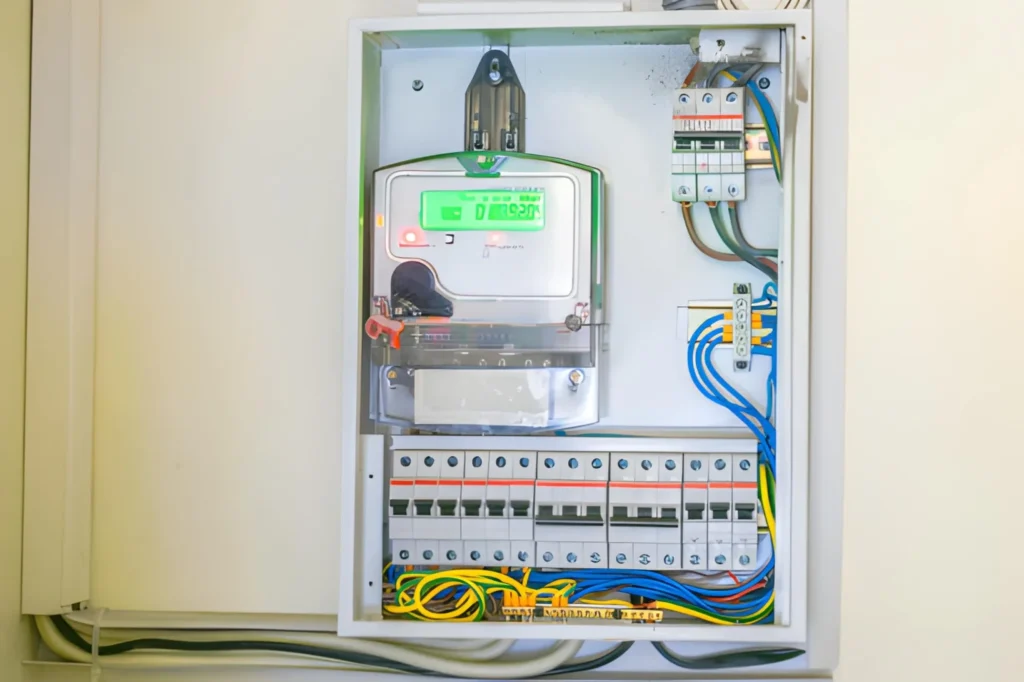
A three phase electric meter is designed to measure energy usage in three phase power systems, where three live conductors share the load to deliver higher, more stable power than a single-phase supply. You typically find these meters in industrial plants, commercial buildings, and other high-demand sites where large machines, HVAC systems, and motor loads would overwhelm a normal residential meter.
Compared with a single phase meter, a three phase electric meter tracks energy on each phase, helping maintain balanced loads, reduce overheating, and improve overall efficiency and reliability for demanding applications.
Three phase vs single phase at a glance
Feature
Three phase electric meter
Single phase meter
Typical use
Industrial/commercial, high load sites
Homes, small shops
Power capacity
High, supports heavy machinery and large motors
Low to moderate
Load balancing
Measures each phase separately for balance
No phase balancing needed
Common add-ons
Demand, power quality, remote communication
Basic consumption only (often)
Key Applications of Three Phase Electric Meters
Three phase electric meters appear wherever there is high or continuous power consumption, especially in three phase power distribution networks. If your customers manage or build facilities in these sectors, their projects almost certainly rely on three phase metering.
Some major application areas include:
Manufacturing plants and factories: Three phase meters measure main incoming power and sub‑meter individual production lines or departments, allowing energy cost allocation by product line and support for ISO 50001 energy management systems.
Commercial buildings: Office towers, shopping malls, and hospitals use three phase meters to monitor chiller plants, elevators, lighting circuits, and tenant loads for fair billing and preventive maintenance.
Data centers: High‑density IT loads need stable, balanced three phase power; advanced meters help track consumption, detect power quality problems, and maintain uptime.
Renewable energy systems: Solar farms and grid‑tied battery energy storage systems use bi‑directional three phase meters to measure energy imported from and exported to the grid.
Application area
Metering focus
Main benefit
Manufacturing plant mains
Billing, demand, power factor
Lower utility charges and penalties
Production line sub‑metering
Energy per line or machine
Cost allocation, process optimization
Commercial building systems
HVAC, lighting, tenant loads
Comfort, fair billing, maintenance planning
Solar and BESS systems
Import/export energy, bidirectional flow
Correct settlement and ROI tracking
Common types and smart features
When you shop for a three phase electric meter, you will run into several types: classic electromechanical meters, modern electronic three phase energy meters, and advanced three phase smart meters with communication and analytics built in. A typical three phase digital electric meter not only measures kWh but can log demand, power factor, and even harmonics to support better energy management and billing.
Many industrial users now prefer a three phase smart meter or three phase prepaid meter that supports remote reading, multi-rate billing, and, in some cases, bidirectional metering for solar or storage systems feeding power back to the grid.
Popular three phase meter types
Type
Typical use case
Key advantage
Basic three phase kWh meter
Simple consumption tracking
Low cost, easy to deploy
Three phase digital electric meter
Factories, commercial buildings
Accurate data, multiple parameters
Three phase smart meter
Smart buildings, utilities
Remote reading, TOU tariffs, analytics
Three phase prepaid meter
Rental or shared energy scenarios
Better cost control for end users
How to choose the right three phase electric meter
Choosing the right three phase electric meter starts with knowing your load type, maximum current, and how you plan to use the data. Industrial three phase electric meter applications often need CT-connected meters for high currents, detailed logging, and power quality analysis, while a commercial three phase electric meter for a small mall may focus more on multi-tariff billing and remote reading.
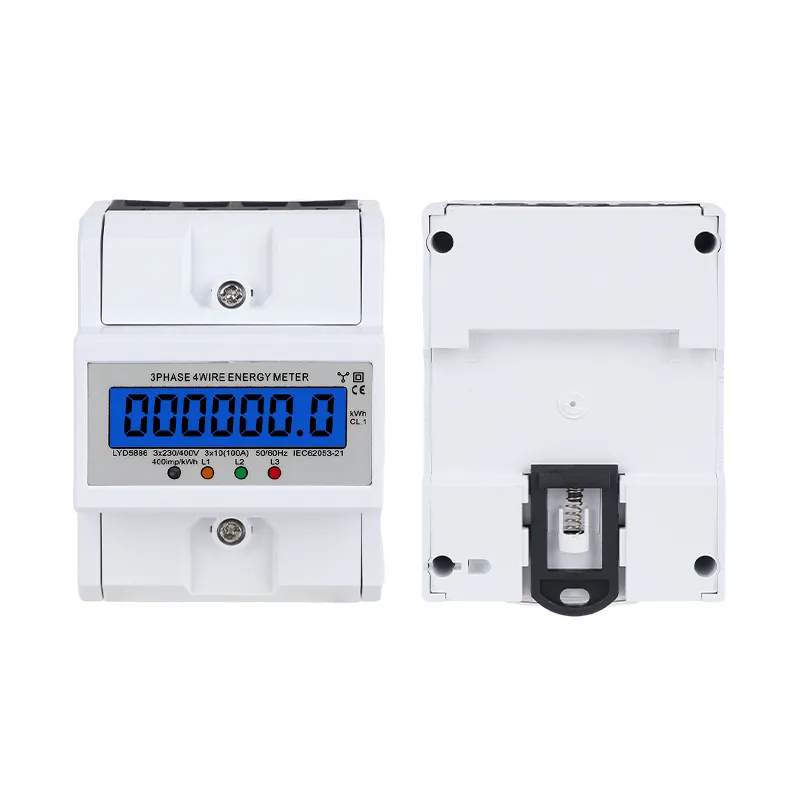
If you run solar or storage, consider a three phase kWh meter that supports bidirectional energy flow, so it can correctly register both imported and exported energy for net metering or performance tracking of your renewable system. And if you want an easy path to better cost allocation, sub-metering key loads with compact DIN-rail three phase energy meters is often the simplest, most scalable approach.
If you are planning a new project or upgrade, you can streamline procurement by sending your load list, wiring diagram, and communication requirements to your preferred supplier so they can match you with a suitable three phase electric meter and provide a clear quote.
Selection hints for common scenarios
Scenario
Suggested meter focus
Why it helps
Factory main incomer
CT meter, demand, PQ, high accuracy
Controls utility costs and avoids penalties
Production line sub-metering
Compact digital kWh meter
Tracks energy per line for cost allocation
Commercial building tenant billing
Multi-rate three phase smart meter
Fair billing by time-of-use and tenant
Solar or storage interconnection
Bidirectional three phase meter
Correct export/import tracking for renewables
Installation and best practices for three phase meters
Three phase meter installation can be direct connected for lower currents or CT connected for higher industrial loads, and choosing the right approach is critical for both safety and accuracy. Good practice includes correct phase sequencing, solid terminations, and thorough commissioning checks, because mistakes here can cause billing errors, nuisance trips, or misleading power quality readings.
Modern three phase smart meters often integrate communication such as RS‑485/Modbus or wireless links, enabling remote data logging, alarms, and integration into energy management systems so you can move from reactive “bill shock” to proactive energy control.
Installation approach overview
Installation style
Typical current range
Key considerations
Direct connected
Low to moderate currents
Check terminal ratings, cable sizing, clearances
CT connected
Medium to very high currents
CT ratio, polarity, burden, and safety isolation
Smart/remote-ready
Any, with comms support
Networking, cybersecurity, and data integration
FAQ
Do I really need a three phase electric meter, or is single phase enough?
If your site runs heavy motors, large HVAC units, or other high-power loads, a three phase supply and matching three phase electric meter are usually essential to avoid overloading single phase circuits and to ensure efficient, stable operation.
What is the difference between a three phase electric meter and a three phase smart meter?
A standard meter focuses on measuring energy, while a three phase smart meter adds communication, detailed logging, and features like multi-rate tariffs, remote reading, and sometimes bidirectional metering for solar and storage integration.
Can a three phase electric meter work with solar panels or battery storage?
Yes, many modern three phase energy meters and kWh meters are designed to support two-way power flow so they can measure energy drawn from the grid and energy exported back, which is vital for accurate billing and performance assessment of renewable systems.
How often should a three phase electric meter be calibrated or checked?
Industrial and commercial users typically follow regulatory guidelines and manufacturer recommendations, which may require periodic verification or recalibration to maintain accuracy classes such as 0.5S or better for critical billing and energy management
How can a three phase electric meter help reduce my energy costs?
By tracking demand peaks, power factor, and power quality issues, a three phase electric meter provides the data you need to shift loads, improve equipment efficiency, and avoid penalties or unnecessary capacity charges from your utility.
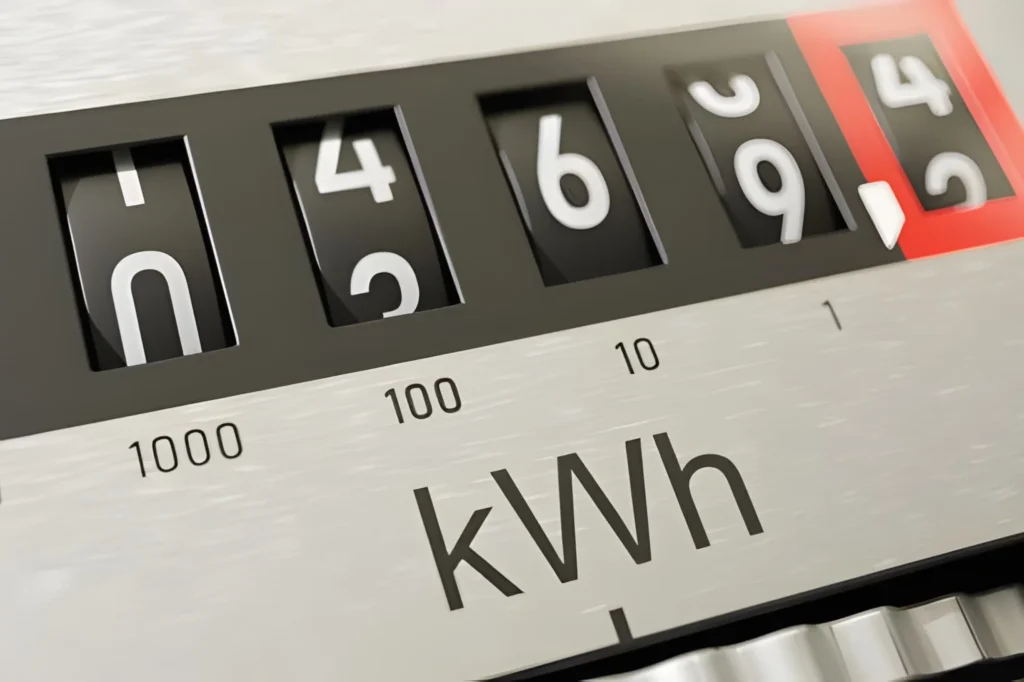
If you’ve ever glanced at your electric bill and wondered how those numbers were calculated, you’re not alone. Energy meter reading is a simple but crucial skill that puts accurate control of your electricity costs right in your hands. Whether you’re dealing with an analog dial, a sleek digital display, or a smart meter, knowing […]
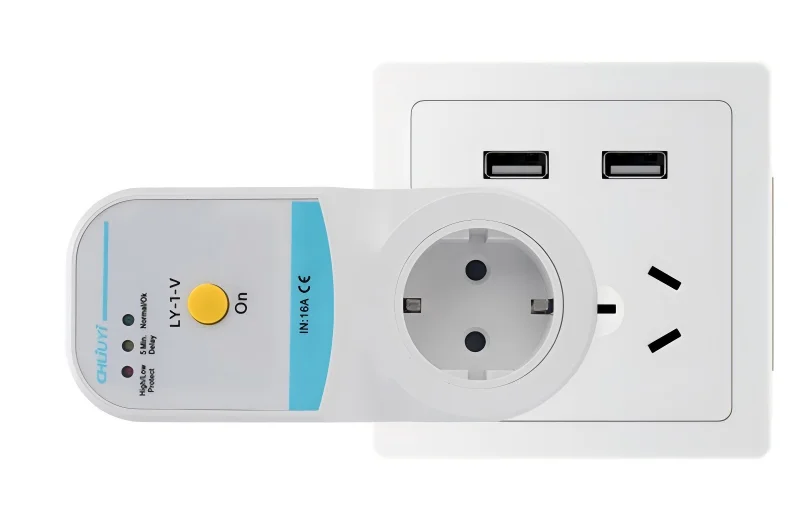
Discover Liuyi Electric’s durable socket type protectors offering childproof safety caps waterproof covers and dustproof outlet guards for home security.
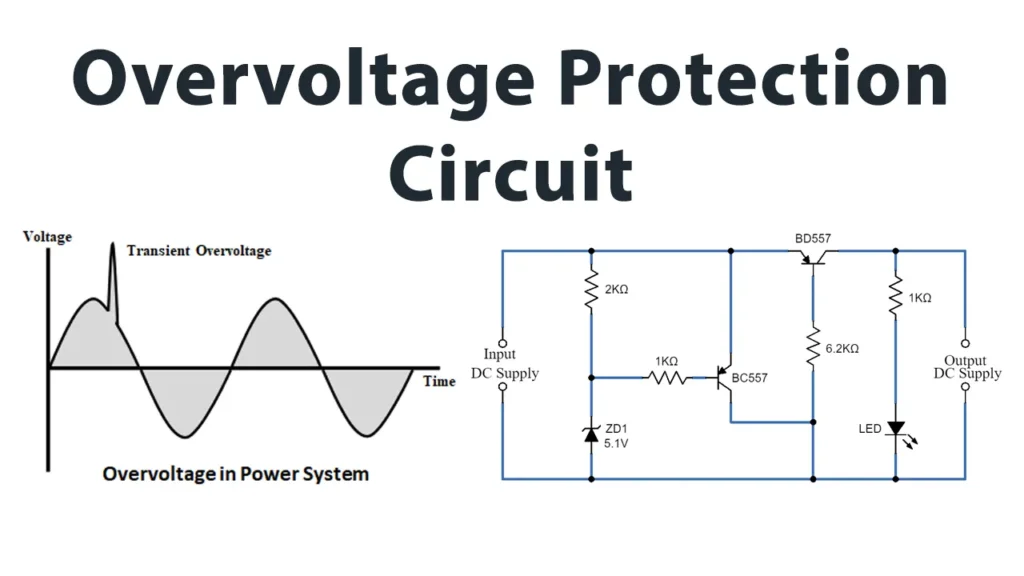
In this tutorial, we will build a Simple Overvoltage Protection Circuit designed to safeguard sensitive electronic components from voltage surges that exceed their maximum rated values. Overvoltages refer to any voltage levels that temporarily surpass the normal mains or supply voltage threshold. Overvoltage protection (OVP) is a crucial feature in many power supplies, which instantly disconnects the […]
We use cookies to enhance your browsing experience, serve personalised ads or content, and analyse our traffic. By clicking "Accept All", you consent to our use of cookies.