If you’ve ever glanced at your electric bill and wondered how those numbers were calculated, you’re not alone. Energy meter reading is a simple but crucial skill that puts accurate control of your electricity costs right in your hands. Whether you’re dealing with an analog dial, a sleek digital display, or a smart meter, knowing how to read your meter correctly can save you from surprise charges and help you track your energy use like a pro. In this guide, you’ll discover straightforward, step-by-step tips to master every energy meter reading type—backed by the precision and reliability of Liuyi Electric’s trusted metering solutions. Let’s get started!
Types of Energy Meters
Understanding the types of energy meters is the first step in accurately tracking your electricity use. Here’s a quick overview:
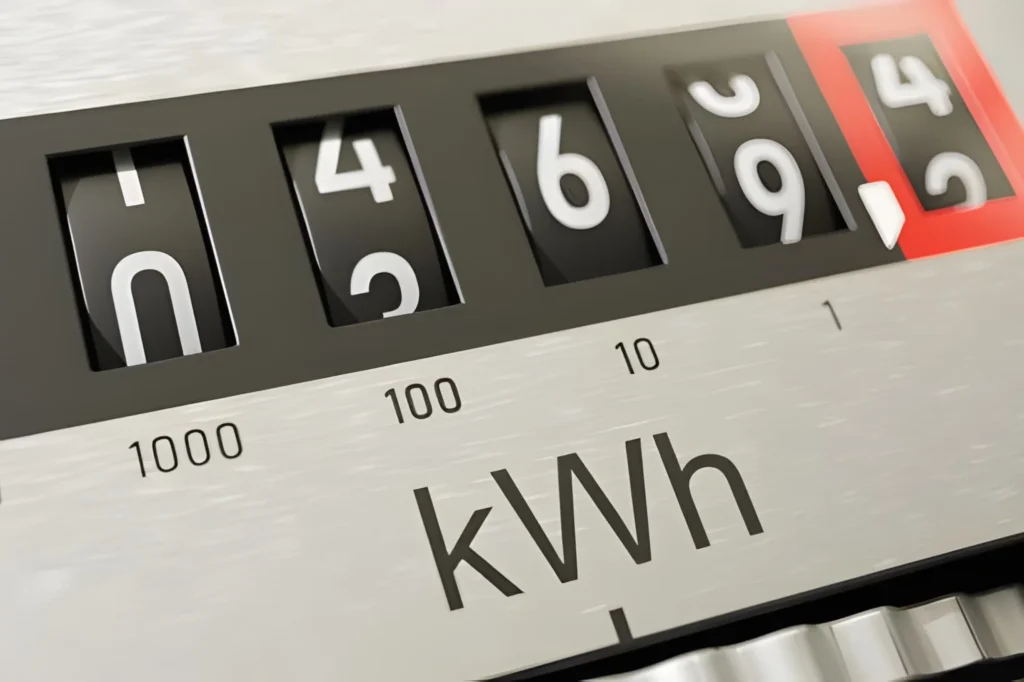
Analog (Dial or Mechanical) Meters These classic meters feature rotating dials with pointers. They measure electricity in kilowatt-hours (kWh) through mechanical movement. Reading them requires noting the dial positions carefully, as the dials often turn in alternating directions.
Digital Meters Digital meters display your energy usage clearly on an electronic screen, making readings straightforward. Most show your consumption as a simple number, sometimes with additional information like tariff rates or current usage.
Electronic/Smart Meters These advanced meters offer remote reading capabilities and detailed insights. They include varieties like prepaid meters (where you pay before use) and time-of-use meters that track electricity at different rates depending on the time of day. Smart meters often connect to in-home displays or apps for real-time monitoring.
Key Differences & How to Identify Your Meter:
Analog meters have visible spinning dials or wheels.
Digital meters show a static numeric display without moving parts.
Smart meters may have buttons, multiple screens, or network symbols and may sync with digital platforms.
Knowing your meter type helps you read it correctly and manage your energy use confidently.
Locating Your Energy Meter
Knowing where to find your energy meter is the first step in taking accurate energy meter readings. Most meters are installed in common locations such as:
Outside walls of your home, often near the front or side
Basements where utilities are usually centralized
Garages, especially if the meter is protected from weather
Utility closets or dedicated meter boxes
When accessing your meter, safety is essential. Always:
Avoid touching exposed wires or components
Use a flashlight if the area is dimly lit
Keep children and pets away from the meter while reading
Follow any posted warnings or instructions near the meter
To ensure you’re reading the correct energy meter, check for labels or serial numbers on the device. Most meters will have a unique identification number or your property address printed clearly. Confirming this prevents confusion, especially in shared buildings or multi-unit residences.
For detailed guidance on identifying and accessing different meter types, including smart and prepaid meters, you can refer to the comprehensive how to read energy meter guide by Liuyi Electric.
Step-by-Step Guide to Reading Different Meter Types
Analog/Dial Meters
These traditional meters have several small dials that spin in alternating directions. Here’s what to do:
Read from right to left. Start with the dial on the far right and move leftward.
Note pointer positions:
If the pointer is between two numbers, always record the lower number.
If the pointer is directly on a number, check the dial to the right to decide if you should record that number or the one before it.
Watch dial directions: Odd-numbered dials usually move clockwise, even-numbered dials go counterclockwise. This helps avoid misreading.
Dial # (Right to Left)
Pointer Direction
Reading Tip
1
Clockwise
Read number below pointer
2
Counterclockwise
Read number below pointer
3
Clockwise
Read number below pointer
Example: If the dials read 5, 3, 7, 1, 6 (right to left), your meter reading is 61735 kWh.
Digital Meters
Modern digital meters show your energy use in a simple numeric display. Follow these tips:
Read left to right. Ignore any red digits or decimal points as these usually show fractions or other info.
Check for multi-rate displays: Some digital meters show different tariffs (like Economy 7 or time-of-use rates). You’ll see separate readings for each rate, so note all relevant values.
Single-rate meters just show a single number representing total kWh used.
Smart/Electronic Meters
Smart meters are more advanced and may require a few extra steps:
Cycle through display codes using the button on the meter to see kWh delivered, kWh received (if you have solar panels), and other data.
Read via in-home displays or apps offered by your utility, giving real-time usage info.
Prepaid meters show your remaining credit and recent usage – check these regularly to avoid running out of power.
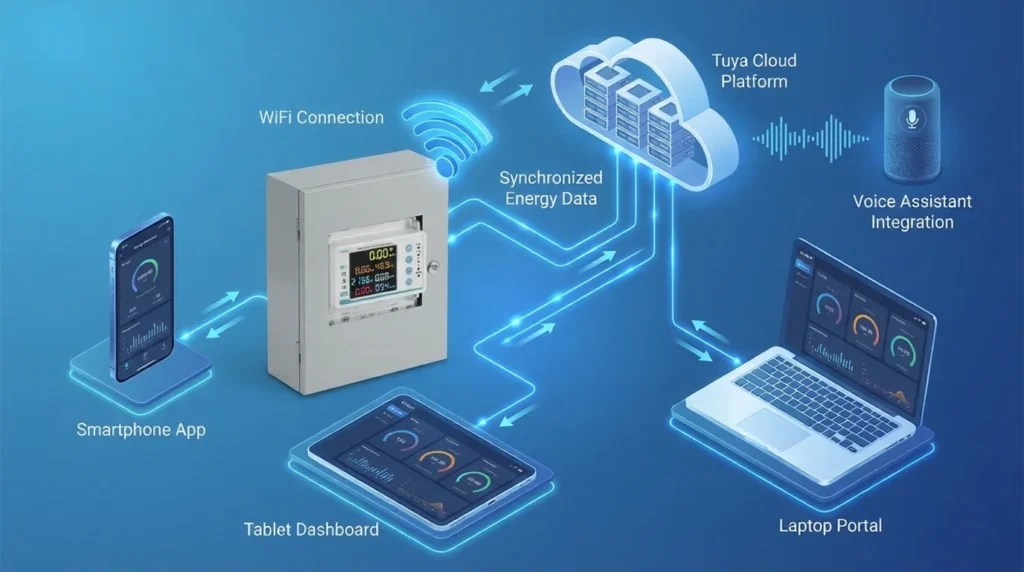
For high-tech options, smart meters like the WiFi Photovoltaic Smart Meter from Liuyi Electric make monitoring and managing your energy straightforward.
By understanding these clear steps, reading your energy meter becomes quick and accurate, helping you stay on top of your electricity usage.
Calculating Your Energy Usage
To know how much energy you’ve used, start by subtracting your previous energy meter reading from the current one. This difference shows your energy consumption in kilowatt-hours (kWh). For example, if your last reading was 1200 kWh and your current is ,350 kWh, you’ve used 150 kWh since the last reading.
Sometimes, your meter might have a multiplier or constant printed on it. This number adjusts the reading to reflect actual consumption — common with some industrial or three-phase meters. If your meter shows a multiplier of, say, 10, multiply your kWh difference by 10 to get the correct usage.
To find out what this means in terms of money, multiply the total kWh used by your energy tariff rate. For example, if you used 150 kWh and your rate is $0.15 per kWh, your cost is 150 × 0.15 = $22.50.
By calculating your energy usage this way, you can keep a close eye on your consumption and budget effectively. If you’re using advanced devices, like the three-phase four-wire transparent energy meter from Liuyi Electric, the process is even simpler thanks to their accurate and easy-to-read displays. For detailed monitoring, explore Liuyi Electric’s dual-channel DC energy meter for power monitoring and measurement, which helps users track and calculate usage precisely.
Submitting Your Meter Reading
Submitting your energy meter reading regularly is key to keeping your bills accurate. Most providers ask for readings monthly or whenever you switch suppliers to avoid estimated bills, which can often lead to overpaying or underpaying.
When and Why to Submit
Monthly submissions help your supplier bill you based on actual usage, not estimates.
Before switching suppliers, providing a final meter reading ensures your last bill is precise and you start fresh with the new provider.
How to Submit Your Reading
Use online portals or your supplier’s mobile app for quick and easy entry.
Many providers accept readings via phone calls or even text messages.
Check if your energy meter supports remote reading features—some smart or digital meters can send data automatically, simplifying this process.
Submitting your reading on time means fewer surprises on your utility bill and helps you stay in control of your energy costs. For more details on electronic readings and smart options, explore solutions like the single-phase smart energy meter from Liuyi Electric.
Common Mistakes and Troubleshooting
When reading your energy meter, it’s easy to make mistakes that can lead to inaccurate billing or confusion. Here are some common pitfalls and how to avoid them:
Misreading dials or displays: Analog meters can be tricky because the dials often alternate direction. Always read from right to left, and if the pointer is between two numbers, note the lower number. For digital meters, ignore any red digits or decimal places unless instructed otherwise.
Confusing electricity meters with gas meters: Don’t mix up your electricity meter reading with the gas meter. Electricity meters typically measure kilowatt-hours (kWh), while gas meters read in cubic meters or therms. Double-check the unit labels on your meter to avoid submitting the wrong numbers.
Signs of a faulty meter: Watch out for stuck dials that don’t move despite using electricity or sudden unusual jumps in your reading. These might indicate a meter fault that needs checking. Also, inconsistent readings compared to your usual consumption are red flags.
What to do if readings don’t match your bill: If your meter readings and bill don’t line up, first double-check your meter type and reading method. If correct, contact your energy supplier or seek advice from meter experts like Liuyi Electric. Sometimes, errors happen due to estimated bills or data entry mistakes, and a new reading can resolve it.
Avoiding these common mistakes helps ensure you get accurate kilowatt-hour readings and prevents billing surprises. For more reliable readings and advanced troubleshooting, consider upgrading to modern meters from Liuyi Electric known for better accuracy and remote reading capabilities.
If you want to explore smart meter features that simplify reading and reduce errors, visit this page on smart meter and what you can expect.
Benefits of Modern Meters from Liuyi Electric
Upgrading to modern energy meters from Liuyi Electric delivers clear advantages for accurate and convenient energy meter reading. These meters are designed with advanced features that simplify monitoring and cut down errors.
Enables utility companies and users to check usage without manual access
Durability
Reliable performance in various environments, lowering maintenance needs
Smart meter tech
Supports time-of-use and prepaid billing for flexible energy management
With smart or digital meters from Liuyi Electric, homeowners can easily track energy consumption through in-home displays or mobile apps, improving control over energy costs. These meters minimize common mistakes seen with analog models, such as dial misreads, and automatically record usage data in real time.
In , Liuyi Electric’s modern meters boost accuracy, enhance convenience, and provide reliable energy meter readings that save time and reduce billing errors.
Tips for Monitoring and Reducing Energy Consumption
Keeping an eye on your energy meter reading over time is one of the best ways to understand and cut down your electricity use. Here’s how you can use your meter to monitor and reduce consumption effectively:
Track your usage regularly: Take readings from your meter daily or weekly to spot patterns. This helps you identify when your home uses the most power and plan accordingly.
Pinpoint high-usage appliances: Use your meter readings alongside appliance usage to find devices that eat up the most energy—like heaters, air conditioners, or older refrigerators.
Set energy-saving goals: Once you know your average consumption, aim to reduce it by switching lights off, unplugging devices when not in use, or using energy-efficient appliances.
Use smart meter features: If you have a smart or digital meter, you can access detailed usage data via apps or in-home displays, making it easier to adjust your habits instantly.
Shift to off-peak times: For homes with time-of-use meters, run energy-heavy appliances like washing machines or dishwashers during cheaper, off-peak hours to save money.
Regular meter checks: Watch your meter regularly for unusual spikes that might signal faulty equipment or wasted energy.
By combining these simple steps with your regular electricity meter readings, you’ll gain a clear picture of your energy flow and find practical ways to reduce your bills over time.
To explore smart solutions that simplify monitoring, check out Liuyi Electric’s smart energy meters for advanced features that make managing your energy easy and accurate.
Frequently Asked Questions about Energy Meter Reading
Question
Quick Answer
What if my meter is hard to access?
Contact your energy supplier for assistance. Never attempt to reach meters in unsafe locations yourself. Some meters can be read remotely, especially smart meters, like those from Liuyi Electric.
How do solar/net metering readings work?
Net metering meters track both energy used and excess energy sent back to the grid. They record kWh delivered and received separately. You can see these on smart meters or in your energy portal.
What’s the difference between kWh and other units?
kWh (kilowatt-hour) measures electricity usage, combining power (kilowatts) and time (hours). Other units like volts or amps measure electrical properties, not consumption. Your energy meter reading is almost always in kWh.
When should I contact my supplier or Liuyi Electric support?
Reach out if your meter readings don’t match your bill, you notice faulty meter signs (e.g., stuck dials, sudden jumps), or if you need meter upgrades or remote reading help. Liuyi Electric offers reliable single-phase electronic prepaid meters with customer support options.
If you face any troubles with your meter reading or billing, prompt action helps avoid issues like estimated bills or inaccurate charges. Always keep your meter serial numbers handy for quick reference when contacting support
How Smart Meter PLC Works: Signal Superposition and Modulation Smart meter Power Line Communication (PLC) uses existing electrical wiring to transmit data between smart meters and utility systems, enabling efficient Advanced Metering Infrastructure (AMI). This process relies on signal superposition and modulation techniques to send communication signals alongside normal electricity flow without interference. The Architecture: […]
In both residential and industrial power systems, stable electricity is essential for the safe functioning and longevity of electrical devices. As urbanization speeds up and household appliances become more common, the demand on power grids rises steadily. This leads to frequent voltage fluctuations. Overvoltage and undervoltage protectors have become crucial safety devices and have attracted […]
TABLE OF CONTENTS Modern facility managers and energy procurement specialists increasingly adopt Tuya WiFi smart energy meters to transform traditional energy monitoring into intelligent, cloud-connected systems accessible from anywhere. These innovative devices combine precision electrical measurement with wireless connectivity, enabling real-time visibility into power consumption through smartphone applications. WiFi-enabled smart meters integrate seamlessly with the […]
We use cookies to enhance your browsing experience, serve personalised ads or content, and analyse our traffic. By clicking "Accept All", you consent to our use of cookies.