If you want to take control of your energy consumption and ensure accurate billing, learning how to read energy meter devices is essential.
Whether you are a homeowner, a business operator, or simply curious about your electricity usage, understanding how to read energy meter readings can help you save money, detect unusual patterns, and make smarter energy decisions.
In this comprehensive guide, we will show you how to read energy meter types, explain the differences between analog, digital, and smart meters, and answer common questions about how to read energy meter displays.
Why You Need to Know How to Read Energy Meter
Knowing how to read energy meter readings empowers you to:
Monitor your electricity usage in real-time
Compare your readings with your utility bill
Identify potential electrical issues or leaks
Make informed decisions about energy-saving strategies
Many people rely solely on their utility provider for meter readings, but by understanding how to read energy meter displays yourself, you can take a proactive role in managing your energy costs.
Types of Energy Meters and How to Read Energy Meter for Each
There are three main types of meters you may encounter. Here is how to read energy meter readings for each type:
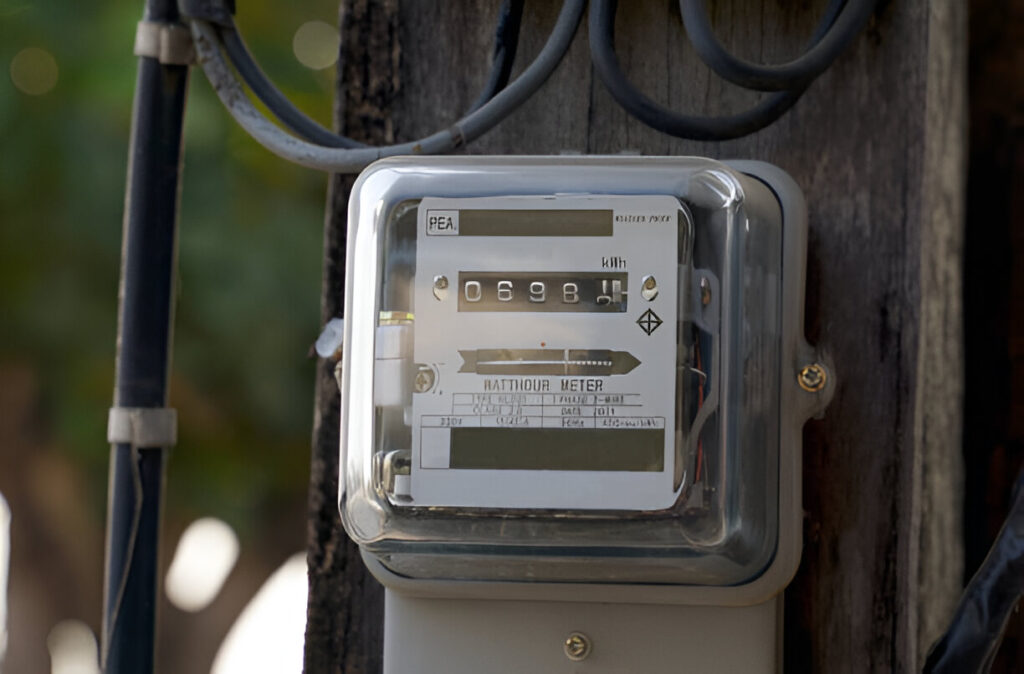
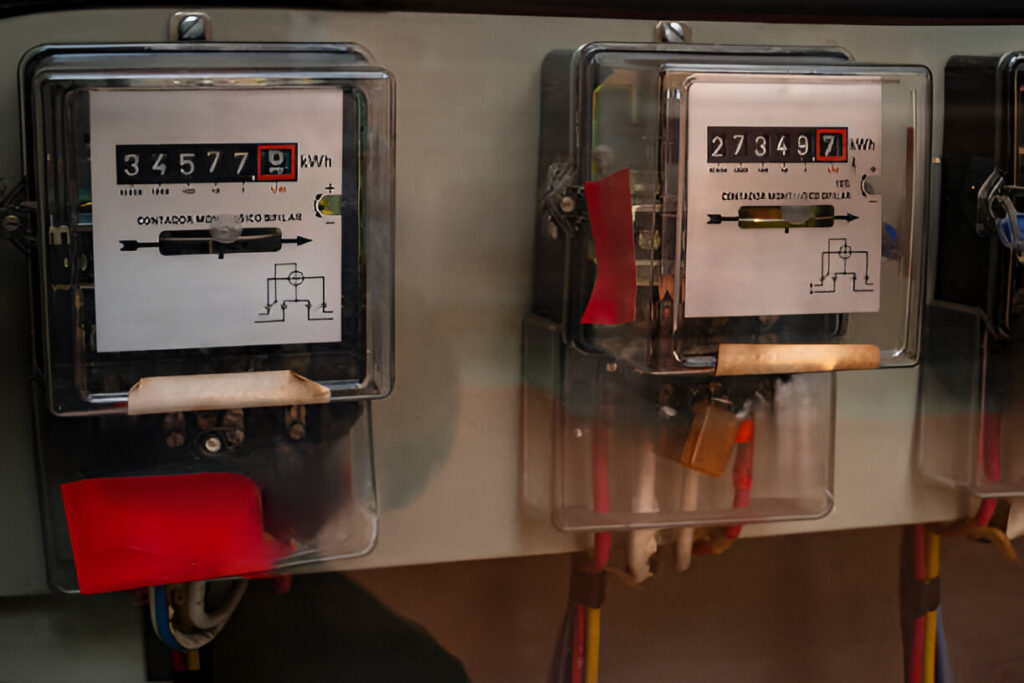
Analog (Mechanical) Meter
Analog meters have a series of dials with pointers. To learn how to read energy meter dials:
Start from the rightmost dial and move left.
Write down the number each pointer has just passed.
If the pointer is directly on a number, check the dial to the right. If the dial to the right has not passed zero, record the lower number.
Combine the numbers to get your current reading.
Subtract your previous reading from the current one to find out your usage.
Digital Meter
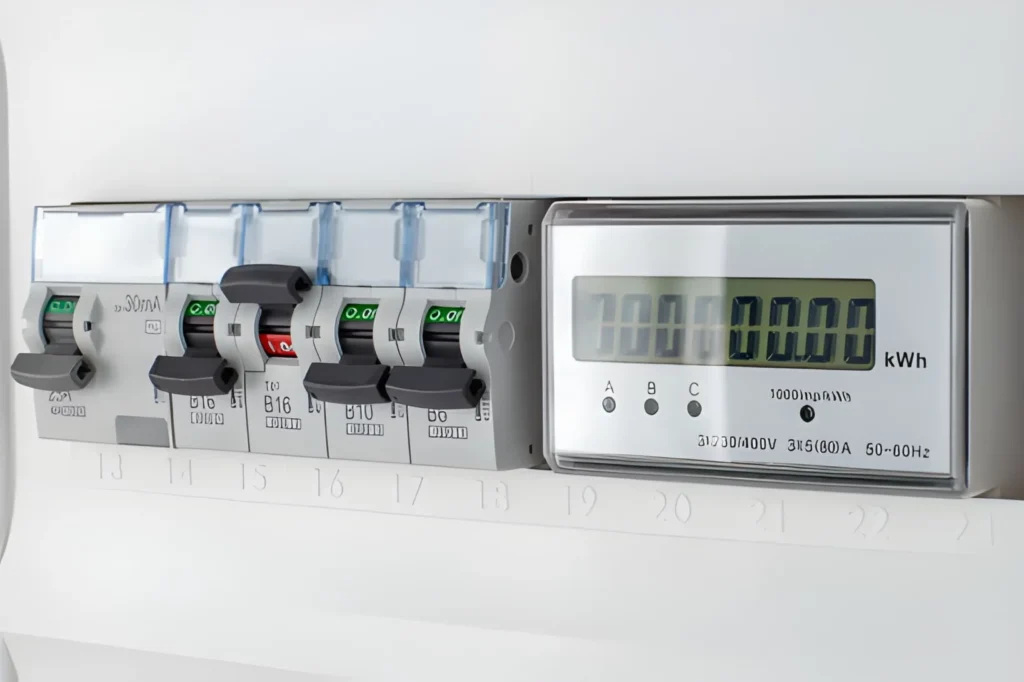
Digital meters display numbers on a screen. Here’s how to read energy meter displays on digital meters:
Note the numbers shown on the main display (ignore decimals or colored digits).
If your meter has multiple tariffs (like peak and off-peak), press the button to cycle through readings for each period.
Record each reading for your records.
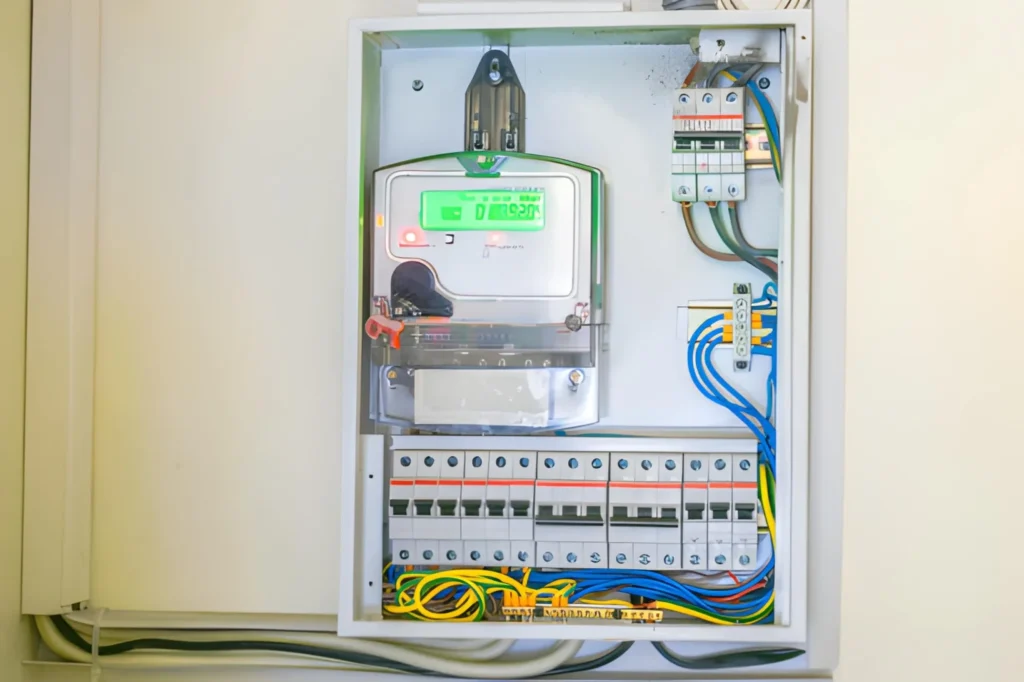
Smart Meter
Smart meters are increasingly common and provide detailed, real-time data. To understand how to read energy meter readings from a smart meter:
Press the display button to cycle through the screens until you see the total kWh used.
For time-of-use meters, repeat the process for each tariff period.
Smart meters may also show data like maximum demand and time, but focus on the kWh total for your usage.
Tips for How to Read Energy Meter Accurately
Always read your meter at the same time each month for consistent tracking.
Compare your manual readings with your utility bill to catch any discrepancies.
If you are unsure how to read energy meter instructions for your specific model, consult the user manual or contact your utility provider.
Conclusion
Mastering how to read energy meter readings is a valuable skill for anyone who wants to manage energy use and costs.
By following this guide on how to read energy meter types, you can ensure accurate billing, spot unusual consumption, and take control of your energy future.
If you have more questions about how to read energy meter devices or need professional assistance, visit chliuyiele.com for expert advice and support.
Frequently Asked Questions
How often should I check my meter?
It’s best to check monthly, especially if you want to track changes or verify your bill.
Is it difficult to learn how to read energy meter displays?
No, with a little practice, anyone can learn how to read energy meter readings accurately.
What if my meter reading doesn’t match my bill?
Contact your utility provider with your readings and ask them to investigate.
Why Replace Your Circuit Breaker? Replacing your circuit breaker is essential when you notice signs of trouble that impact your home’s safety and electrical performance. Here are key reasons to consider circuit breaker replacement: Replacing your faulty breaker promptly not only safeguards your home but also ensures compliance with current safety standards and electrical codes. […]
Have you noticed more customers searching for “three phase electric meter” and wondered how to turn that interest into real business? In this blog, we will walk through what a three phase electric meter is, where it is used, and how you can help your customers choose the right model with confidence. Three phase power […]
The Core Difference: Single Phase vs. Three Phase Meters When choosing between a single phase and a three phase energy meter, the voltage, load capacity, and power delivery method are key factors. Voltage and Load Capacity Meter Type Voltage Range Typical Load Capacity Application Single Phase Meter 110V – 230V Low to medium residential loads […]
We use cookies to enhance your browsing experience, serve personalised ads or content, and analyse our traffic. By clicking "Accept All", you consent to our use of cookies.