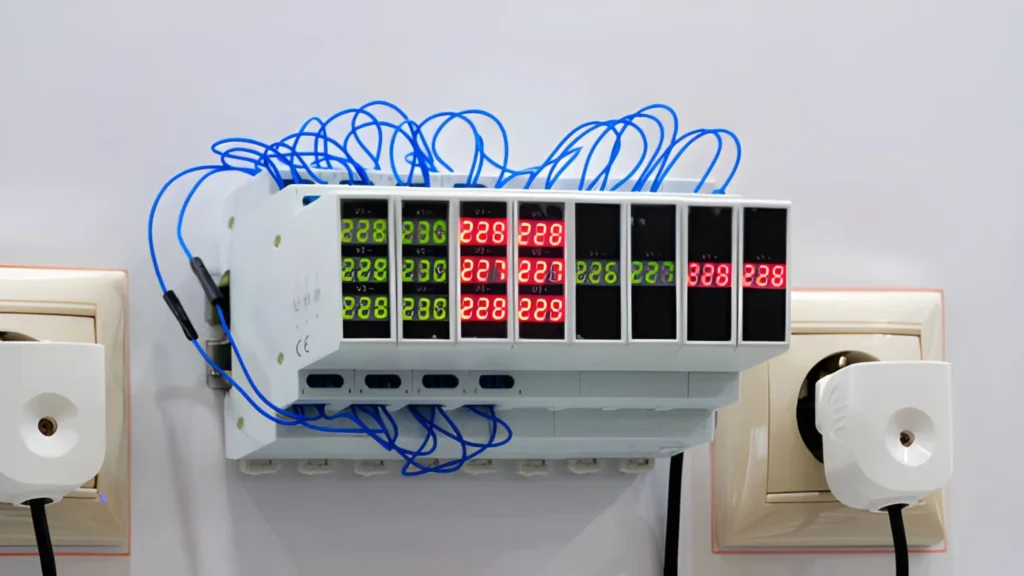
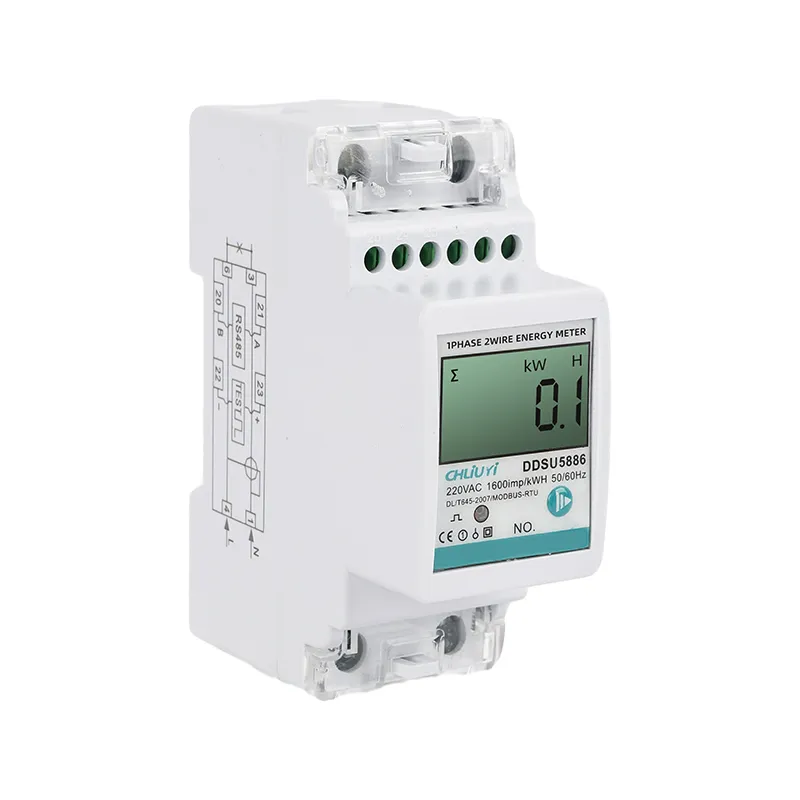
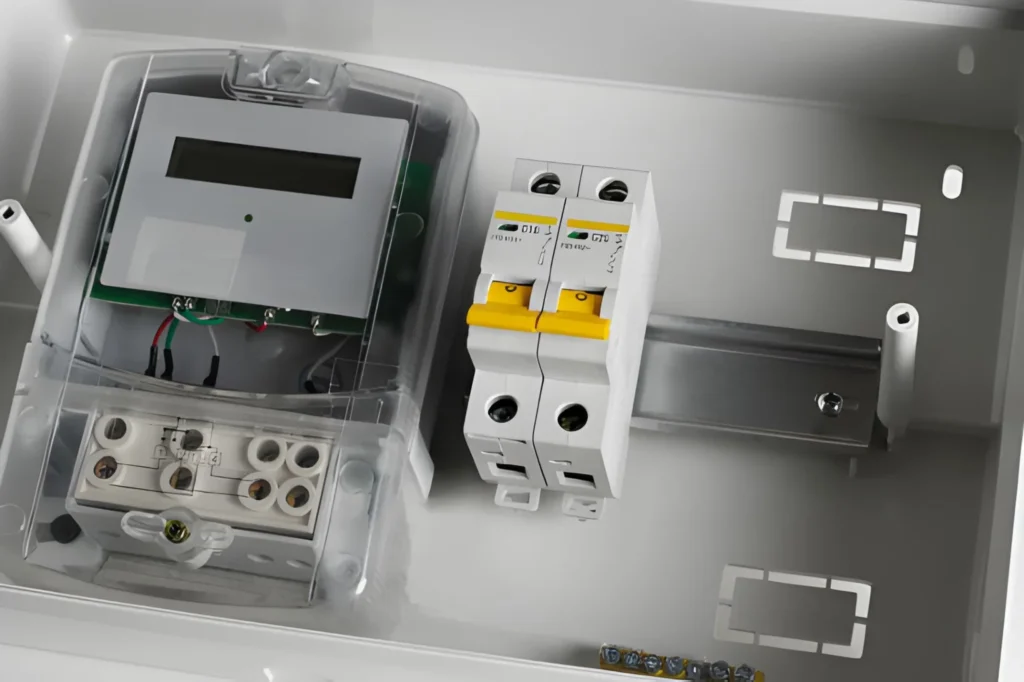
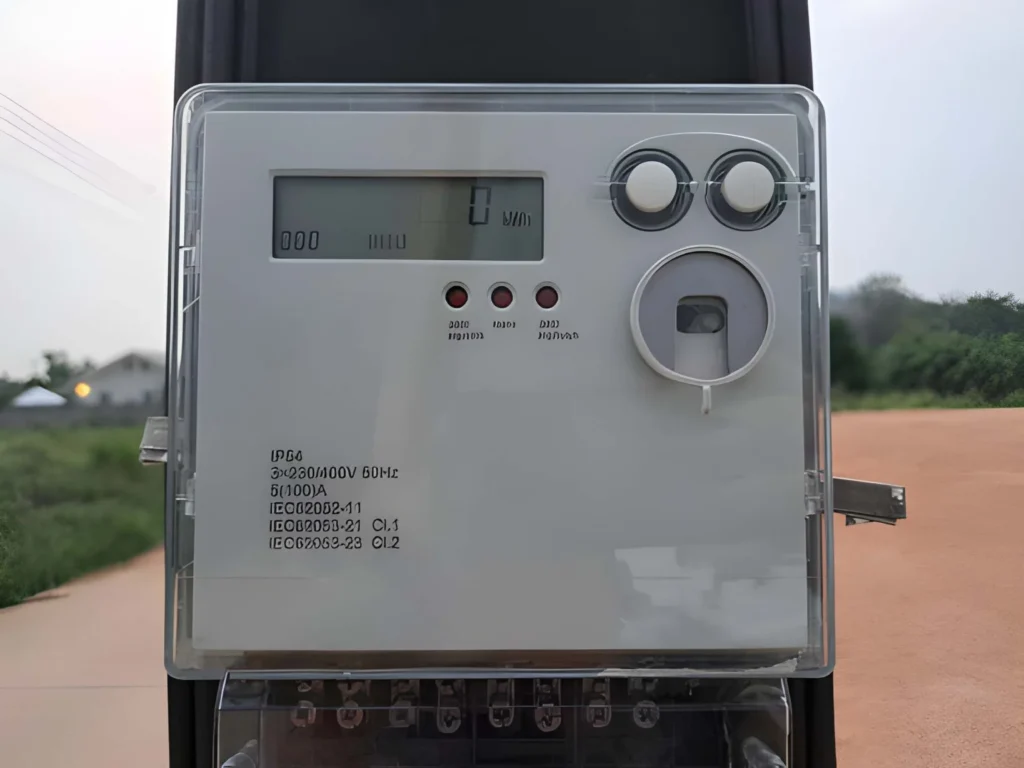
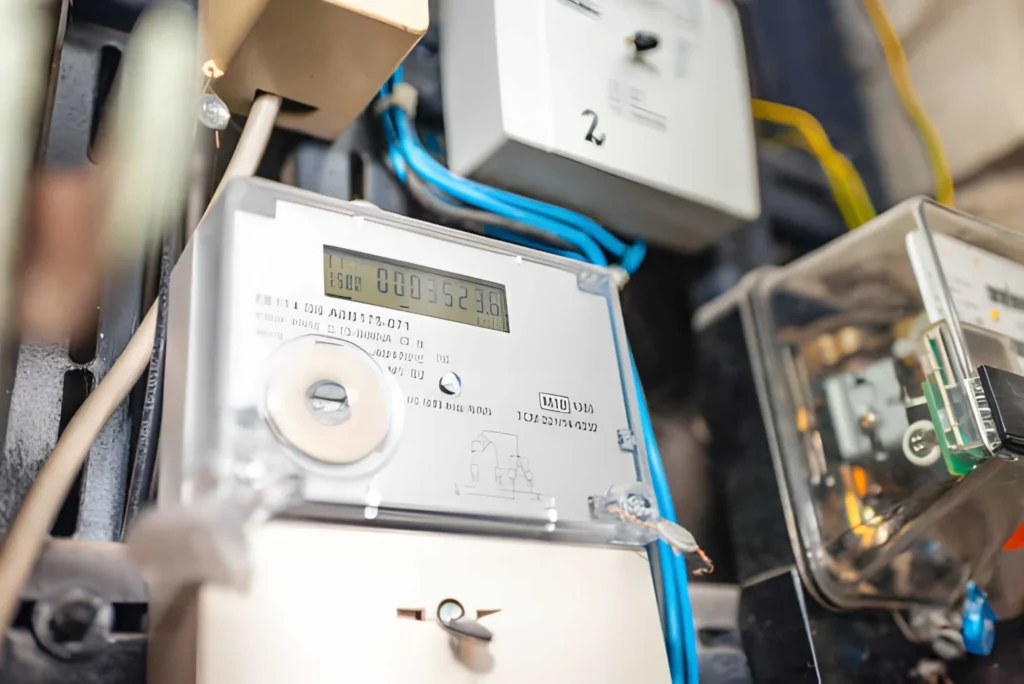
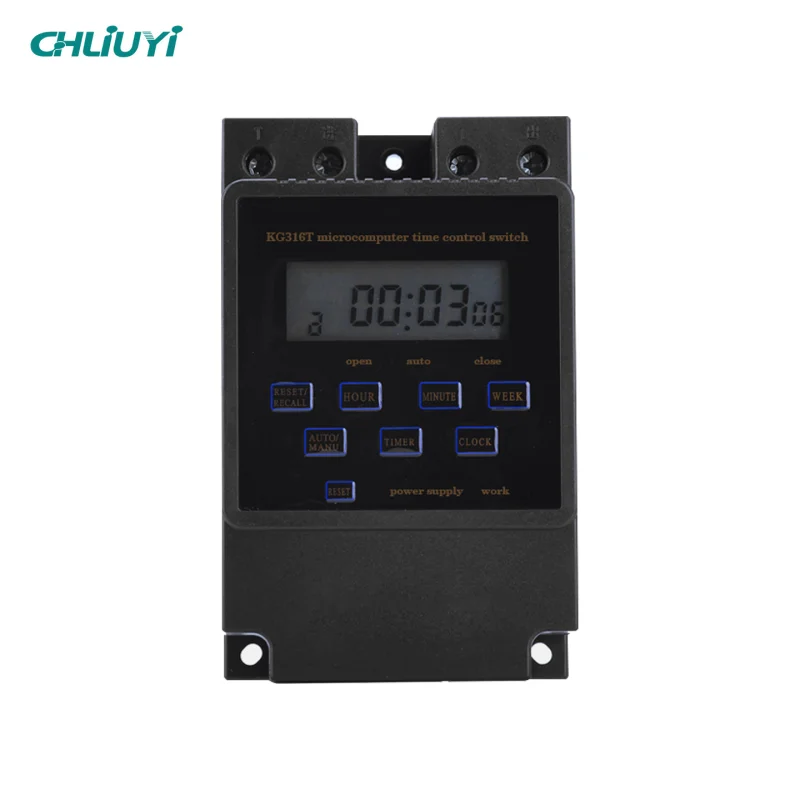
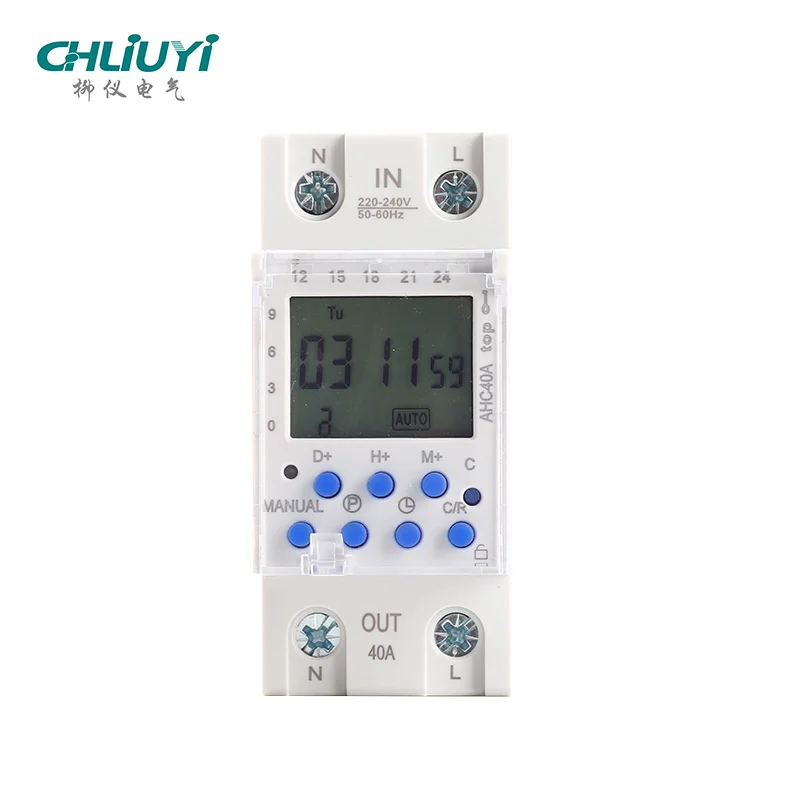
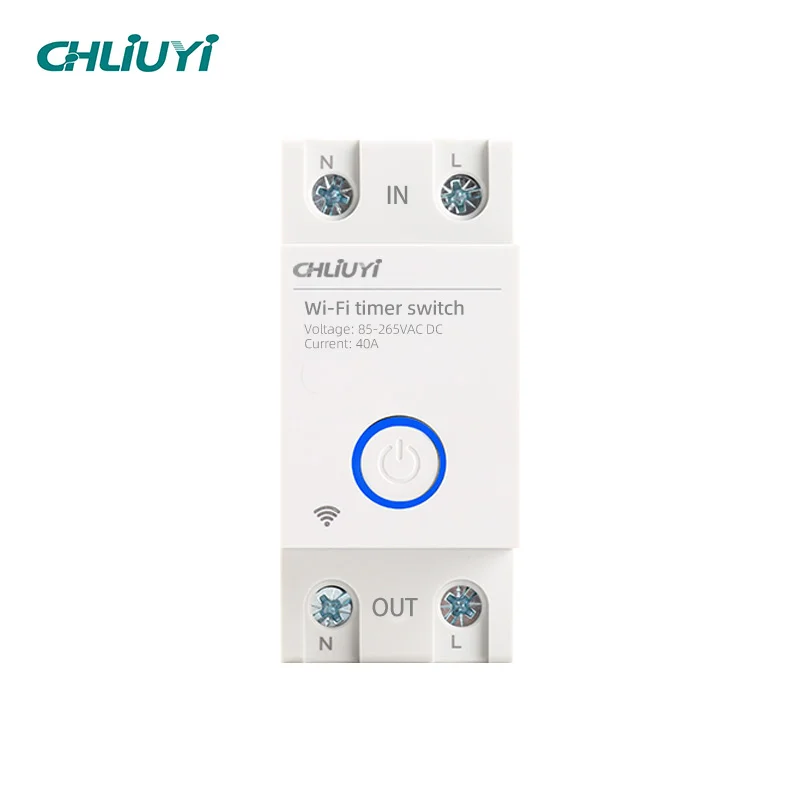
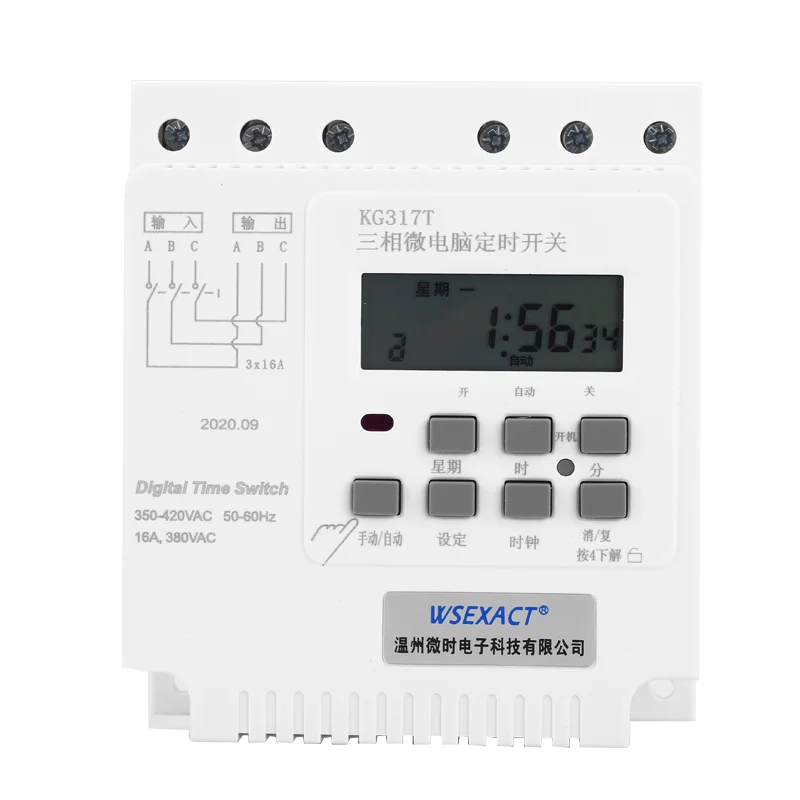
A DIN rail power meter is an electronic device designed to measure electrical energy consumption and power parameters, specifically built to mount on a standard 35mm DIN rail inside electrical distribution boards or panels. This mounting system is widely recognized in industrial and commercial electrical setups, providing a secure and standardized way to fix power meters and other control equipment.
The DIN rail standard simplifies installation and maintenance, making it easy to snap meters in place without additional hardware. Thanks to its compact size and modular design, these meters save valuable panel space, which is critical in crowded electrical environments.
Why Choose DIN Rail?
Space Efficiency: The slim profile of DIN rail meters lets you fit multiple devices into tight control panels without sacrificing functionality.
Ease of Installation: Snap-in mounting reduces wiring time and complexity, letting you upgrade or service meters quickly.
Scalability: Adding or swapping meters is straightforward, supporting expansion in energy monitoring systems—perfect for growing industrial or commercial facilities.
In short, the DIN rail format combines technical precision with practical design, making it the preferred choice for accurate, reliable, and scalable energy measurement in various electrical applications.
Core Types and Configurations
DIN rail power meters come in several core types designed to fit different needs and electrical setups.
Single-Phase Meters
These are typical for residential or small commercial sub-metering. They measure power on a single AC phase and are often chosen for monitoring individual apartments or small equipment. Single-phase meters come in two main connection styles:
Direct Connect: The meter connects straight into the electrical circuit, suitable for lower currents (usually up to 80A).
CT Connection: Uses external current transformers (CTs) for higher current loads or when isolation is required. This setup is common in larger residential buildings or small commercial panels.
Designed for industrial and commercial use, these meters handle three-phase electrical systems. They come in:
3-Wire Systems: Typically used in certain industrial setups without a neutral connection.
4-Wire Systems: Common for commercial buildings with a neutral wire, allowing more accurate readings across all phases.
Direct Connect vs CT Operated Meters
Choosing between these depends on your installation:
Direct Connect (Internal Shunts): Best for circuits where the current does not exceed the meter’s rating; simpler and more compact.
CT Operated: Required when currents are higher or load isolation is necessary. External CTs step down the current to a measurable level, allowing the meter to stay safe and accurate.
Understanding these core configurations helps you pick the right meter for your energy management needs, whether for simple residential sub-metering or complex industrial power monitoring. For versatile industrial options with RS485 communication, take a look at the range of Modbus RS485 energy meters.
Beyond kWh: Key Parameters and Connectivity
Modern DIN rail power meters do more than just measure energy consumption in kWh. They provide critical insights into power quality and enable seamless connectivity for smart energy management.
Power Quality Monitoring
Key parameters monitored include:
Parameter
What it Means
Why It Matters
Voltage Sags
Short drops in voltage level
Prevents equipment damage
Frequency
Stability of power supply frequency
Ensures system reliability
Power Factor
Ratio of real power to apparent power
Improves energy efficiency
Tracking these helps avoid downtime and reduces energy costs by maintaining stable and clean electrical supply.
The Smart Aspect: Communication Protocols
Connectivity is essential for integration with modern energy systems, and DIN rail meters support a variety of communication protocols:
Modbus RTU (RS485): Industry standard for reliable wired data exchange.
M-Bus: Common in metering, ideal for residential and commercial setups.
These protocols enable easier data collection, remote monitoring, and control.
BMS Integration
Most smart power meters can easily integrate with Building Management Systems (BMS), offering:
Centralized data management
Automated alerts for anomalies
Energy reporting and optimization
This integration supports smarter building control, enhancing overall operational efficiency.
For a practical example of advanced communication and monitoring features, explore our range of three-phase rail smart meters for power distribution, designed to fit seamlessly into industrial energy systems.
Primary Applications and Use Cases
DIN rail power meters are essential in many sectors where precise energy tracking is crucial. One common use is tenant sub-metering, which allows landlords and building managers to bill tenants fairly based on actual electricity use rather than a flat rate. This promotes energy savings and transparency.
For businesses, these meters assist in cost center allocation—breaking down energy consumption by department, production line, or individual machines. This level of monitoring helps identify inefficiencies and control operational costs effectively.
In the renewable energy space, solar PV systems heavily rely on accurate energy meters to monitor generation versus grid consumption. Using bidirectional DIN rail energy meters ensures you track both imported and exported power seamlessly, a key factor for net metering arrangements. You can find reliable options suited for such setups on our page about bidirectional energy metering for solar PV systems.
Additionally, with the rise of electric vehicles, EV charging stations demand dedicated metering to monitor consumption per charger. DIN rail power meters installed in EV charging infrastructure enable accurate billing, demand management, and load monitoring critical for building smart, scalable charging networks.
Each of these applications benefits from the compact size, scalability, and connectivity of DIN rail power meters, making them a versatile tool across residential, commercial, and industrial energy management.
Selection Criteria: How to Choose the Right DIN Rail Power Meter
Picking the right DIN rail power meter depends on your specific energy monitoring needs. Here are the main factors to consider:
Criteria
What to Look For
Notes
Accuracy Class
Class 1.0 vs Class 0.5s
Class 0.5s offers higher accuracy, ideal for billing and critical monitoring
Display Type
Local LCD screen vs Blind (no display)
LCD lets you read data onsite; blind meters rely on remote transmission systems like Modbus RS485
Amperage Rating
Match the meter rating to your circuit load
Common ratings: 40A and 80A for direct connection; 5A input for CT-operated meters
Certification
MID and local certifications
Ensure compliance with regional standards for legal and billing accuracy
Accuracy Class Explained
Class 1.0 meters provide good general accuracy, suitable for many industrial applications.
Class 0.5s meters meet stricter accuracy requirements, essential for fair tenant sub-metering or cost allocation.
Display vs Blind Meters
Local Display: Handy for quick visual inspection right at the electrical panel.
Blind Meters: Designed for remote data collection via communication protocols, perfect for integration with Building Management Systems (BMS).
Amperage Matching Tips
Confirm your electrical panel’s circuit load.
For higher loads, go for meters rated at 80A or more.
CT-operated meters commonly handle loads through a 5A secondary current.
Certifications Matter
MID certified meters are legally recognized in many global markets for energy billing.
Local certifications ensure compatibility with national regulations and grid standards.
Choosing the right meter balances accuracy, user needs, and compliance. For more on how these devices work, check out our guide on how to read your energy meter accurately.
By considering these criteria, you’ll ensure effective, reliable energy monitoring tailored to your application.
Installation Best Practices and Safety
Proper installation is key to getting the most out of your DIN rail power meter while ensuring safety and accuracy.
Wiring Diagrams: Input/Output Overview
Always follow the wiring diagrams provided with your meter. Inputs typically include voltage and current lines, with outputs for communication or alarms.
For direct connect meters, connect voltage leads to the power source and current lines directly through the meter’s internal shunts.
For meters using CT operated inputs, install the current transformers around the appropriate conductors and connect the CT secondary leads to the meter’s terminals carefully.
Safety First: De-energizing and Fusing
Always turn off power and de-energize electrical panels before wiring or servicing meters. This prevents electric shock and equipment damage.
Use proper fusing or circuit breakers on voltage inputs to protect the meter from voltage spikes or faults. Ensuring correct fusing extends the meter’s lifespan and maintains accurate readings.
CT Polarity: Avoiding Common Mistakes
Pay close attention to CT polarity markings (+/-) when connecting external current transformers. Reversed polarity can cause incorrect kWh readings and misinterpret power factor measurements.
Ensure CTs are installed on the correct conductor (usually the phase line) and oriented consistently to maintain accurate power monitoring.
Following these practices allows you to optimize your electrical panel instrumentation with reliable, precise data and keeps your installation safe and compliant. For detailed wiring examples, check out Liuyi Electric’s guides on single-phase DIN rail meters and their advanced digital display options.
The Liuyi Electric Advantage
When it comes to DIN rail power meters, Liuyi Electric stands out with precision engineering that meets high manufacturing standards, ensuring durable and reliable devices. Our meters handle tough industrial environments without losing accuracy, making them ideal for critical applications in electrical distribution boards and industrial energy management.
We also offer custom solutions tailored to your specific needs. Whether you require support for various communication protocols like Modbus RS485 or want an OEM-ready smart electric meter integrated seamlessly with your Building Management System (BMS), Liuyi Electric has you covered.
Reliability is key, especially for critical monitoring tasks like power factor monitoring and active/reactive energy measurement. Our meters maintain stable performance even under harsh conditions, giving you confidence in your IoT energy monitoring and sub-metering solutions. Discover the full range of our three-phase electric meter solutions and high-precision single-phase DIN rail meters designed for today’s demanding energy management needs.
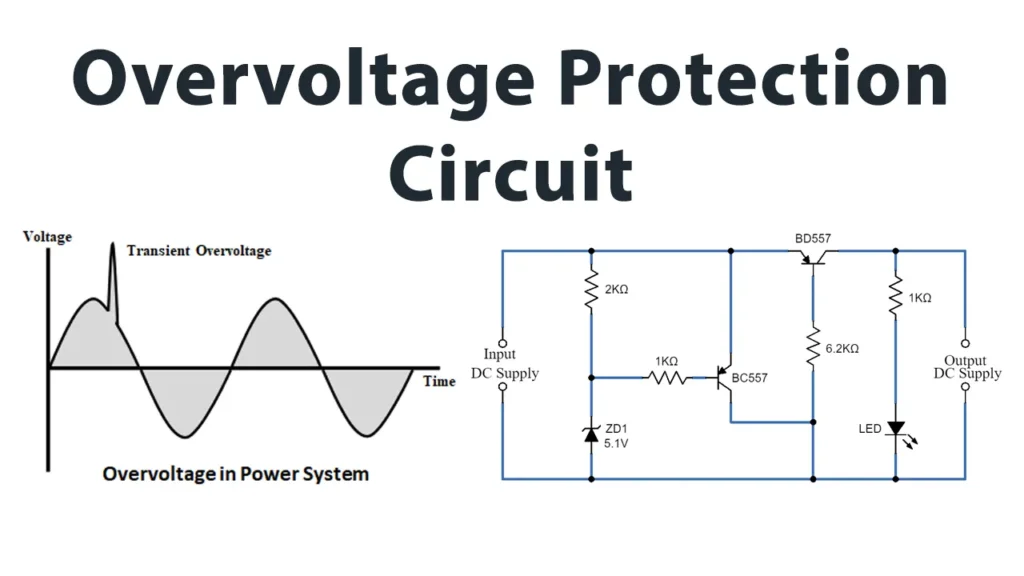
In this tutorial, we will build a Simple Overvoltage Protection Circuit designed to safeguard sensitive electronic components from voltage surges that exceed their maximum rated values. Overvoltages refer to any voltage levels that temporarily surpass the normal mains or supply voltage threshold. Overvoltage protection (OVP) is a crucial feature in many power supplies, which instantly disconnects the […]
Single Phase Smart Energy Meter: Advanced Hardware Architecture and Metrology Design The Single Phase Smart Energy Meter represents a sophisticated integration of analog signal conditioning, mixed-signal microcontroller design, and precision metrology algorithms—far beyond simple mechanical metering devices. Rather than presenting only surface-level information, this comprehensive guide explores the architectural foundations, circuit-level implementations, and digital signal […]
In a Single Phase Smart Energy Meters, the analog front end (AFE) must condition voltage and current signals spanning a dynamic range of 2000:1 or greater while maintaining accuracy better than ±0.5% across the entire measurement spectrum. The anti-aliasing filter (AAF) serves as the critical first-stage protection against frequency components above the Nyquist limit—preventing aliasing […]
We use cookies to enhance your browsing experience, serve personalised ads or content, and analyse our traffic. By clicking "Accept All", you consent to our use of cookies.