If you’re looking to accurately measure and manage electrical energy, choosing the right electric power meter is essential. Whether you’re a facility manager overseeing a large building, an electrician specifying meters for a project, or a homeowner wanting to monitor consumption, understanding your options is key. From traditional electromechanical models to advanced smart meters with real-time data, this guide cuts through the noise to help you select the perfect meter for your needs. Ready to gain precision and control over your energy usage? Let’s get started.
What is an Electric Power Meter and How Does It Work?
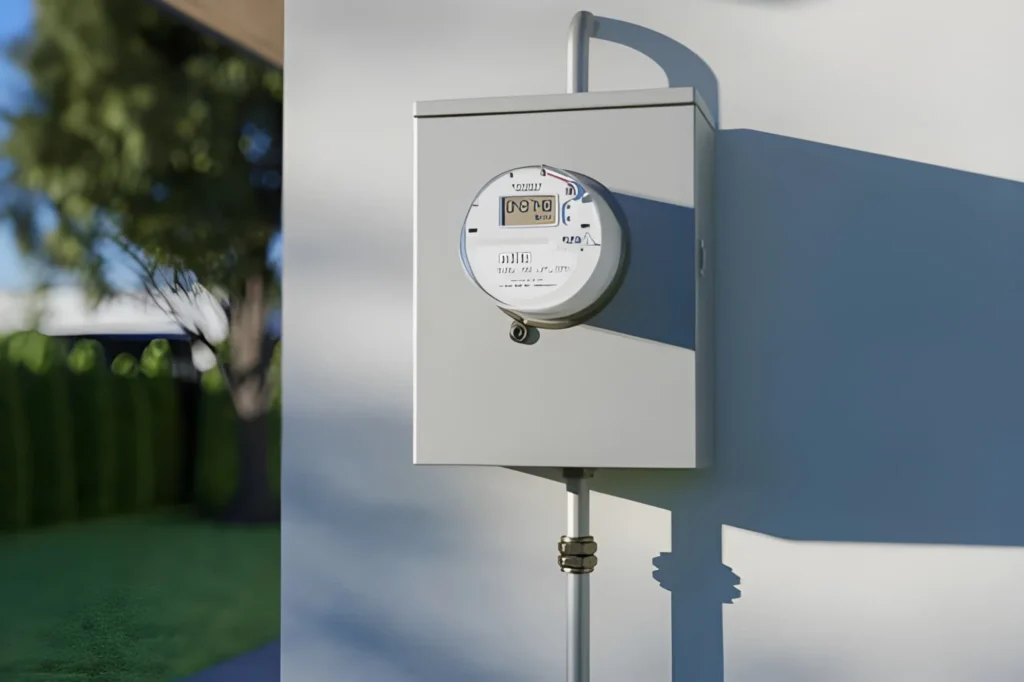
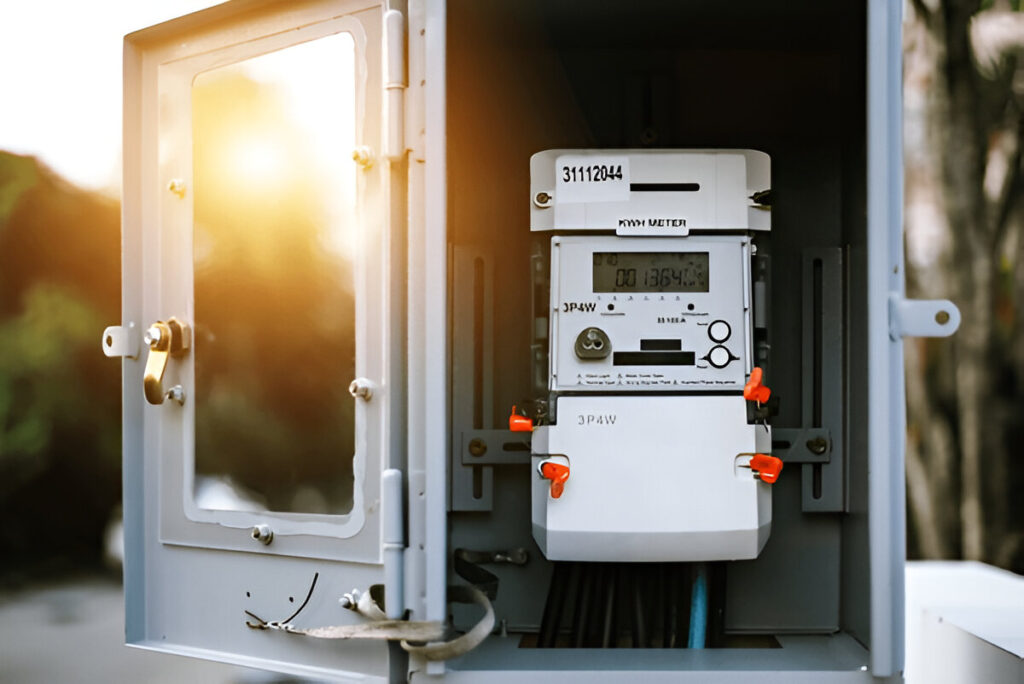
An electric power meter is a device that accurately measures the amount of electrical energy consumed by a load, expressed in kilowatt-hours (kWh). It is essential for monitoring energy consumption, billing, and managing electrical loads in residential, commercial, and industrial settings.
Working Principle
The meter operates by continuously measuring two key electrical parameters:
Voltage (V) – the electric potential difference supplied to the load.
Current (A) – the flow of electric charge to the load.
By multiplying these values with the power factor (PF)—which indicates the phase difference between voltage and current—and considering the electrical frequency (Hz), the meter determines real power usage over time.
Historically, electromechanical induction meters used a spinning rotor driven by electromagnetic fields reflecting instantaneous power consumption. Modern meters rely largely on static (electronic/digital) technology, using semiconductor components and microcontrollers for higher accuracy, faster response, and multi-parameter measurement.
Key Metrics Monitored
Voltage (V): Typically 120 V or 240 V in residential, higher for industrial.
Current (A): From a few amps to thousands depending on the load.
Power Factor (PF): Ranges between 0 and 1, critical for accurate billing.
Frequency (Hz): Usually 50 Hz or 60 Hz based on regional grid standards.
In , the electric power meter converts the basic electrical input signals into energy data, providing the vital metric of consumed power in kWh for utility management and cost control.
Classification of Electric Meters: Which One Do You Need?
Electric power meters come in different types depending on technology and application. Knowing which meter fits your needs is key to accurate energy consumption monitoring.
By Technology
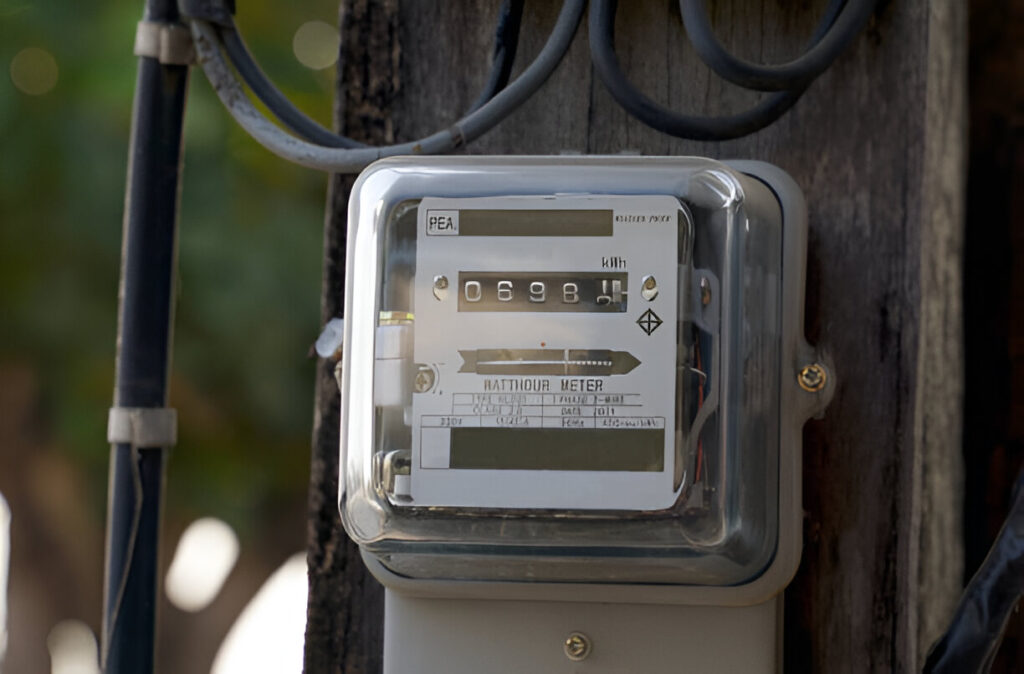
Electromechanical (Induction) Meters: The traditional kilowatt-hour (kWh) meters with spinning discs. These are reliable but bulky and less flexible in data handling.
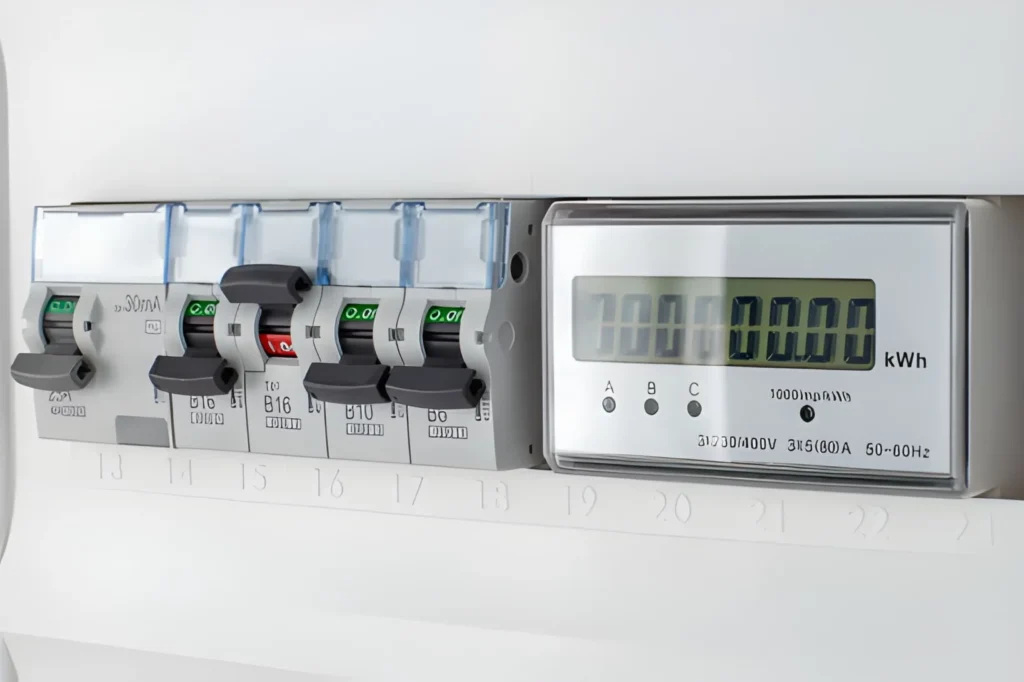
Electronic (Static/Digital) Meters: Use solid-state components to measure voltage and current electronically. They offer better accuracy, support power factor measurement, and can store data digitally.
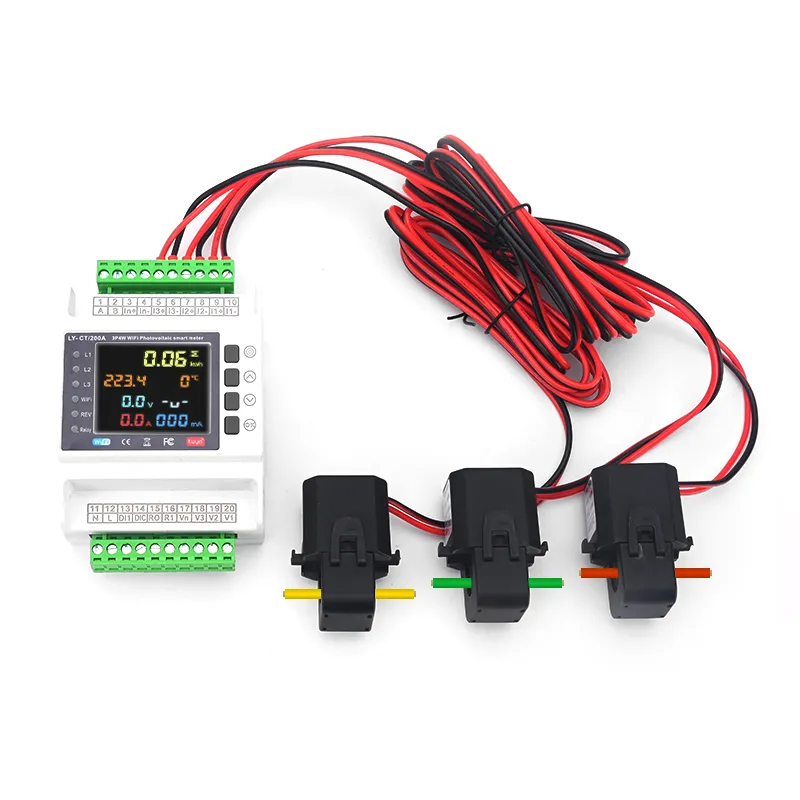
Smart Meters: Advanced digital meters that provide real-time energy usage data, remote reading capabilities, and communication via protocols like Modbus RS485 or WiFi. Ideal for modern energy management systems.
By Phase
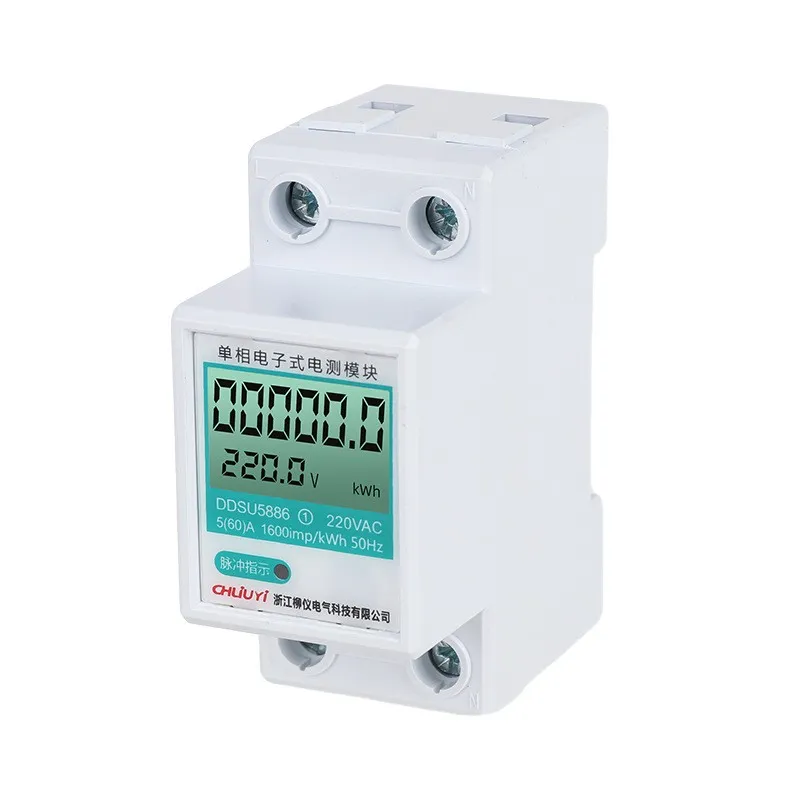
Single-Phase Meters: Designed for residential homes and small commercial loads. They measure voltage, current, and power in one phase and are typically simpler and more cost-effective. Examples include the reliable single-phase wattmeter options from Liuyi Electric’s product range.
Three-Phase Meters: Used mainly in industrial plants and large commercial buildings where power is distributed across three phases. These meters can handle higher loads and provide detailed monitoring of active and reactive power. For detailed differences, check out the comparison of three-phase electric meters vs single-phase meters.
Choosing the right meter depends on your load, accuracy requirements, and integration needs with building management systems or sub-metering setups.
Critical Specifications for Meter Selection
Choosing the right electric power meter means paying close attention to several key specs to match your needs precisely.
Accuracy Class: Why It Matters
Class 1.0: Standard accuracy, suitable for general residential or commercial billing.
Class 0.5s and 0.2s: Higher accuracy meters often required for industrial settings or precise energy auditing. Accurate readings ensure fair billing and avoid disputes—especially critical in tenant sub-metering or large commercial operations.
Mounting Styles
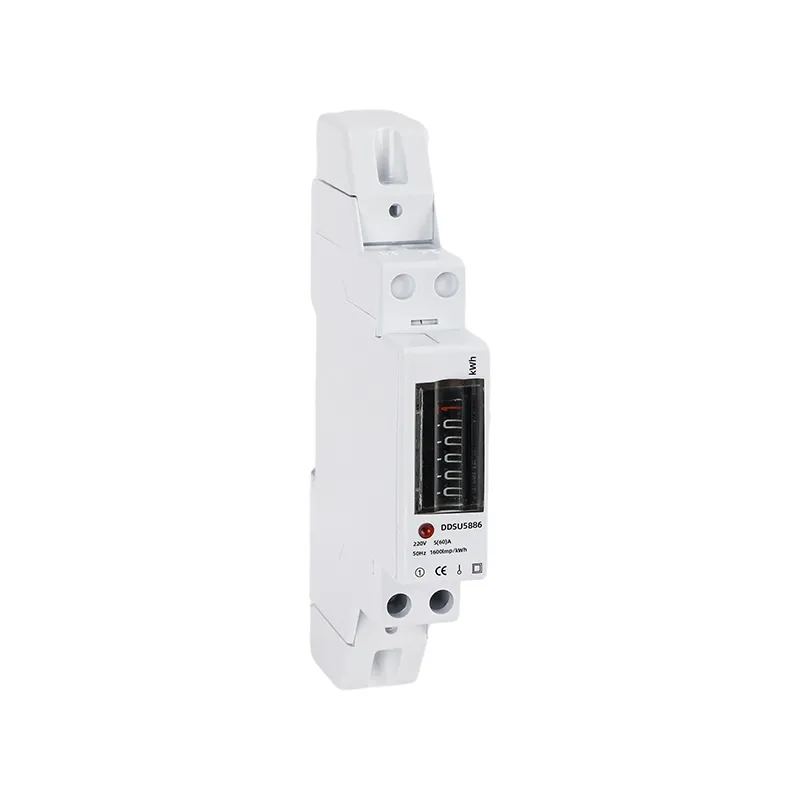
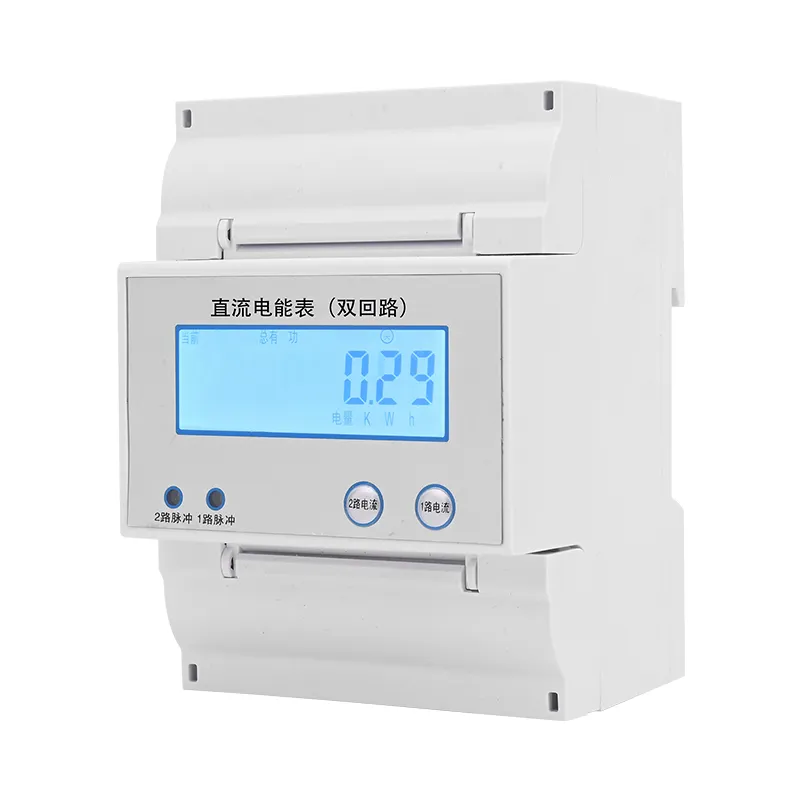
DIN Rail Mount: Compact, easy to install, ideal for control panels and modern electrical setups.
Panel Mount: Fits flush in switchboards, preferred where space and aesthetics matter.
Current Rating: Direct vs CT Operated
Direct Connection: For currents up to a certain limit (usually low to medium loads), simpler wiring.
Current Transformer (CT) Operated: Used for high-current systems, industrial plants, or when isolating the meter for safety.
Communication Protocols
Modern meters often come equipped for seamless integration:
Modbus RS485: Popular in industrial environments for reliable, wired data communication.
M-Bus: Widely used for metering in building management systems.
WiFi: Enables wireless monitoring, remote data access, and easy smart metering solutions.
Choosing a meter with the right protocol ensures you can integrate energy consumption monitoring smoothly into your system.
For those exploring reliable and advanced DIN rail electric meters, check out our high-accuracy DIN rail power meter options tailored for precision and stable performance.
Applications and Use Cases
Electric power meters play a crucial role across various sectors by providing accurate energy consumption data essential for management and billing.
Tenant Sub-metering: In multi-tenant buildings, sub-metering systems ensure fair billing by measuring each tenant’s individual electricity use. This helps landlords and property managers allocate costs accurately and encourages energy-saving habits among tenants.
Industrial Energy Auditing: For industries, electric power meters are vital in monitoring peak loads and identifying periods of high energy use. By tracking power factor and consumption patterns, businesses can avoid power factor penalties and optimize their electrical load management for cost savings and efficiency improvements.
Renewable Energy Monitoring: Bi-directional metering is a key feature in solar PV systems, allowing measurement of both energy consumed from the grid and energy fed back via net metering. This dual capability facilitates seamless integration of renewable energy sources into the grid and supports effective energy management. For precise solutions tailored to solar setups, exploring Liuyi Electric’s advanced bi-directional metering for solar PV systems might be valuable.
Each of these applications highlights the importance of selecting the right electric power meter, depending on whether you need tenant sub-metering, industrial auditing, or renewable energy integration, ensuring both accuracy and efficiency in energy management.
Installation and Safety Standards
When installing an electric power meter, understanding wiring basics is crucial. The meter connection varies depending on the system:
2-wire configuration: Typically for single-phase meters, using live and neutral wires for simple residential setups.
3-wire configuration: Often used in split-phase systems, adding a neutral wire for better stability.
4-wire configuration: Common in three-phase meters, involving three live conductors plus a neutral for balanced industrial loads.
Each setup demands correct wiring to ensure accurate energy consumption monitoring and system safety.
Safety compliance is equally important. Electric power meters must meet IEC standards and any applicable local certification requirements to guarantee they operate safely and reliably. Certified devices protect equipment and users while ensuring billing accuracy.
For installation, it’s wise to hire certified professionals. Expert installation not only minimizes risks but also preserves warranty validity and ensures long-term meter performance. Proper setup is vital, especially when dealing with advanced systems like digital static meters or smart metering solutions integrated via protocols such as Modbus RS485.
Selecting the right meter for your system and installing it correctly lays the foundation for accurate, safe, and effective electrical load management across residential, commercial, or industrial applications. For example, Liuyi Electric offers reliable meters with options for secure DIN rail mounting and expert support to help you get started confidently. You can explore our range of DIN rail electric meter solutions designed for safe and easy installation.
Why Choose Liuyi Electric for Precision Metering?
When it comes to electric power meters, reliability and accuracy are non-negotiable. Liuyi Electric stands out by offering high-quality components that ensure long-term stability and precise energy consumption monitoring. This means fewer faults, consistent readings, and trusted billing data over the meter’s lifespan.
Key Benefits of Liuyi Electric Meters
Feature
Advantage
Reliability
Durable parts for stable performance in any environment
Innovation
Advanced digital static meters supporting smart metering solutions
Compatibility
Supports protocols like Modbus RS485 for seamless BMS integration
Expert Support
Guidance on current rating, phase selection, and installation
Liuyi Electric provides cutting-edge products, including single-phase and three-phase meters, tailored for both residential and industrial needs. Their meters integrate easily with modern energy management systems, helping businesses optimize electrical load management and improve billing accuracy.
If you want to take control of your energy consumption and ensure accurate billing, learning how to read energy meter devices is essential. Whether you are a homeowner, a business operator, or simply curious about your electricity usage, understanding how to read energy meter readings can help you save money, detect unusual patterns, and make […]
The Core Difference: Single Phase vs. Three Phase Meters When choosing between a single phase and a three phase energy meter, the voltage, load capacity, and power delivery method are key factors. Voltage and Load Capacity Meter Type Voltage Range Typical Load Capacity Application Single Phase Meter 110V – 230V Low to medium residential loads […]
We use cookies to enhance your browsing experience, serve personalised ads or content, and analyse our traffic. By clicking "Accept All", you consent to our use of cookies.