How Smart Meter PLC Works: Signal Superposition and Modulation
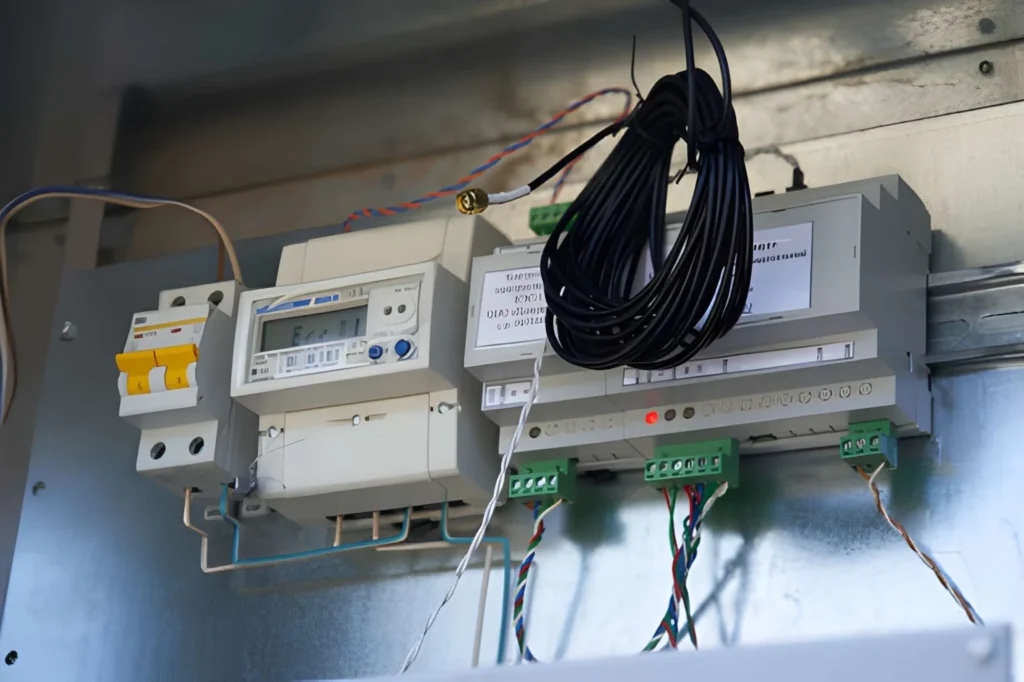
Smart meter Power Line Communication (PLC) uses existing electrical wiring to transmit data between smart meters and utility systems, enabling efficient Advanced Metering Infrastructure (AMI). This process relies on signal superposition and modulation techniques to send communication signals alongside normal electricity flow without interference.
Signal Superposition: PLC overlays high-frequency data signals on top of the standard low-frequency power signals in the electrical line. This lets smart meters exchange data using the same cables that deliver electricity, eliminating the need for additional wiring.
Modulation Techniques: To ensure reliable, high-speed data transfer, PLC typically uses modulation methods like Orthogonal Frequency-Division Multiplexing (OFDM). OFDM divides the communication signal into multiple narrowband channels, minimizing noise and signal attenuation common in power lines.
The Architecture: Smart Meter, Data Concentrator Unit, Head-End System
A typical smart meter PLC system consists of:
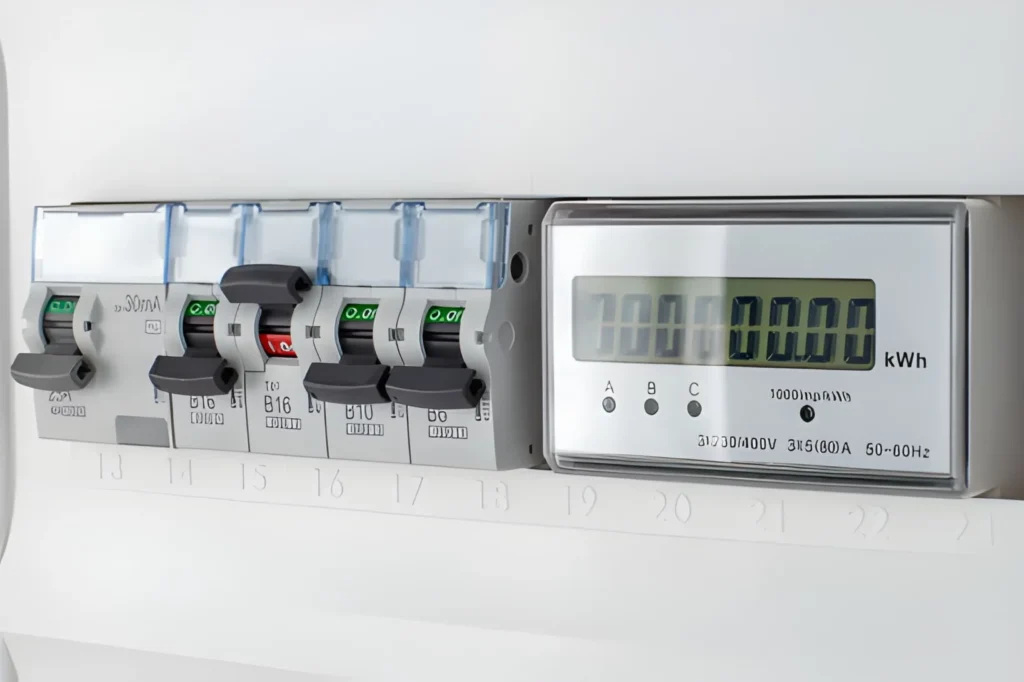
Smart Meter: Installed at customer premises, these devices measure energy consumption and transmit data through PLC signals on low voltage power lines.
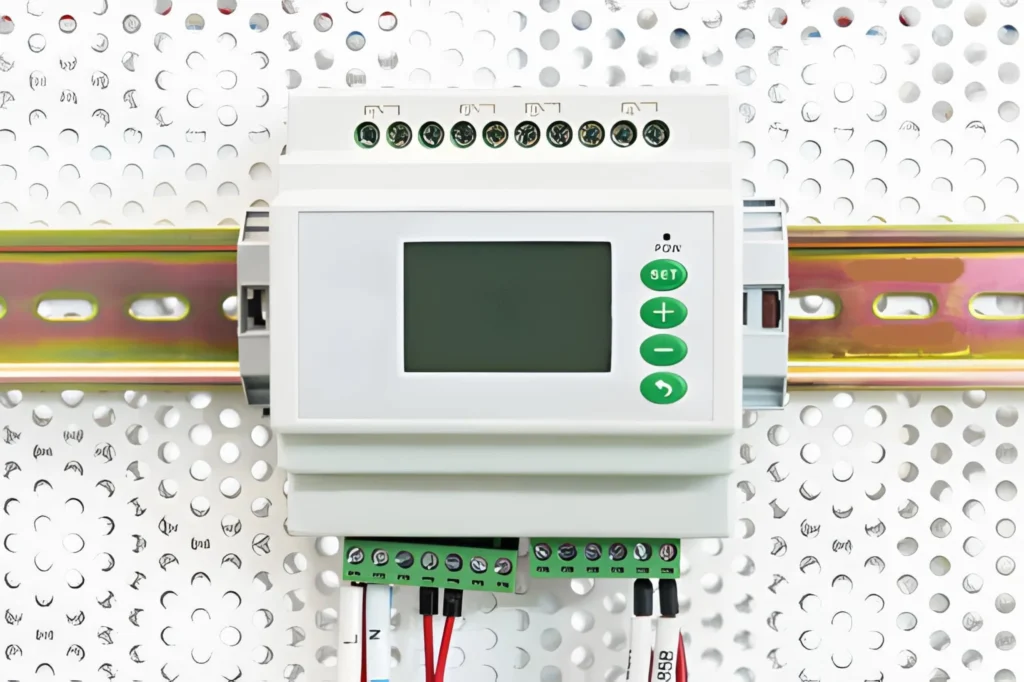
Data Concentrator Unit (DCU): Located within the distribution network, DCUs gather data from multiple smart meters over PLC, aggregating and forwarding it to central servers.
Head-End System: This is the utility’s control center that processes incoming data for billing, monitoring, and grid management. It supports bidirectional communication for commands and updates.
Narrowband vs. Broadband PLC
PLC technology splits into two main types based on frequency and data rates:
Narrowband PLC: Operates in lower frequency bands (3–500 kHz) with data rates typically up to several hundred kbps. Ideal for smart metering due to its long-range capability and robustness on low voltage power lines.
Broadband PLC: Uses higher frequencies (up to 30 MHz) offering higher data rates (Mbps). Often used for high-demand applications like broadband internet but less common for smart meter communication due to cost and signal attenuation challenges.
By understanding these fundamentals, utilities can choose the right PLC approach that balances range, speed, and reliability for their smart grid needs. Liuyi Electric’s expertise lies in leveraging these technologies to provide seamless, cost-effective smart meter PLC solutions tailored for global markets.
Key PLC Standards and Protocols
Smart meter PLC technology relies heavily on established standards to ensure reliable communication and interoperability in smart grid networks. Among the key standards, G3-PLC stands out for its robustness and support for IPv6 addressing, enabling seamless integration into modern IP-based networks. This standard uses advanced modulation techniques to handle noise and signal attenuation on power lines, which is crucial for maintaining strong bi-directional communication in Advanced Metering Infrastructure (AMI).
Another important standard is the PRIME Alliance, which focuses on interoperability and provides faster communication speeds over narrowband PLC. PRIME ensures devices from different manufacturers can work together smoothly, facilitating large-scale deployments with consistent data performance.
The IEEE 1901.2 standard also plays a crucial role as a narrowband PLC specification designed specifically for low voltage power line communications in smart grids. It balances speed and reach, making it ideal for last mile connectivity and smart meter data transmission.
Adhering to these standards is vital for utility companies because it guarantees seamless interoperability between smart meters, data concentrator units, and head-end systems, reducing integration complexity and future-proofing investments. Standards also help maintain security, reliability, and scalability in smart grid communication.
For a practical example of products compatible with these standards, you can explore Liuyi Electric’s advanced range, such as their DC energy meter designed for seamless integration in smart metering solutions.
PLC vs. RF vs. Cellular: Costs, Signal, and Maintenance
When choosing smart meter communication tech, understanding how smart meter PLC compares with RF and cellular networks is key. Here’s a quick rundown:
Factor
PLC
RF (Radio Frequency)
Cellular
Infrastructure Costs
Uses existing power lines—no new wiring needed, cutting installation costs. No tower fees.
Requires installation of repeater nodes and antennas. Moderate setup costs.
High costs for data plans and cell tower usage fees. Hardware costs vary.
Signal Penetration
Excellent signal through metal walls and underground cables; works well in urban and industrial areas.
Good in open spaces but struggles with dense buildings or underground.
Strong outdoors but inconsistent indoors or basements.
Latency & Bandwidth
Moderate latency, suitable for routine metering data; bandwidth enough for AMI data but limited for heavy loads.
Low latency and moderate bandwidth; suitable for smart grid controls.
Low latency and high bandwidth, ideal for real-time data but costly.
Maintenance & OPEX
Low maintenance since it reuses power lines; minimal ongoing costs.
Moderate OPEX due to upkeep of wireless nodes and interference issues.
High OPEX from data charges, SIM management, and network dependency.
Why PLC Stands Out
Utilizes existing wiring in buildings and homes, eliminating the need for new infrastructure.
Better signal penetration in tough environments like basements, factories, or dense urban areas.
Lower ongoing maintenance and operational expenses (OPEX), resulting in a better total cost of ownership.
For smart meter solutions like the single-phase two-wire energy meter, leveraging PLC means fewer disruptions and more reliable communication compared to wireless options.
Advantages of Deploying Liuyi Electric PLC Smart Meters
Using Liuyi Electric smart meters with PLC technology brings clear advantages, especially for utilities wanting reliable, cost-effective solutions. Here’s why they stand out:
Seamless Integration Without New Cabling
PLC smart meters leverage existing power lines, so no additional wiring is needed. This means faster deployment and less disruption compared to putting in new communication networks. Utilities can roll out Advanced Metering Infrastructure (AMI) with minimal hassle, avoiding expensive last-mile connectivity installations.
Grid Topology Mapping and Loss Detection
Liuyi Electric’s PLC meters support detailed grid topology mapping, helping utilities visualize power flow and detect losses or faults quickly. This enhances network efficiency and reliability through better monitoring, fault isolation, and phase detection, boosting overall smart grid communication.
Security: Physical Line Advantages vs. Wireless Risks
Communicating over physical power lines inherently limits exposure compared to wireless channels, reducing risks of hacking or interference. This physical barrier improves security for bi-directional communication in smart grids, making Liuyi Electric meters a safer choice compared to RF or cellular systems.
Cost Efficiency and Lower Total Cost of Ownership
By avoiding infrastructure costs like cell towers or radio repeaters, and requiring less maintenance, PLC smart meters from Liuyi Electric offer a lower total cost of ownership (TCO). Utilities save on installation, operation, and ongoing expenses, delivering a better return on investment.
Power Line Communication (PLC) faces some common hurdles like signal attenuation and noise, which can weaken data transmission over power lines. One effective way to tackle this is by using OFDM (Orthogonal Frequency-Division Multiplexing). OFDM splits the data into multiple smaller signals on different frequencies, improving resilience against interference and maintaining clear communication even in noisy environments.
Another challenge is distance limitations since power lines can spread widely but signal strength drops off over long runs. Utilities overcome this by deploying repeaters to boost signals along the network. Additionally, mesh networking creates a flexible grid where smart meters and Data Concentrator Units (DCUs) relay data through multiple paths, ensuring reliable coverage without gaps.
These approaches help maintain stable bi-directional communication within Advanced Metering Infrastructure (AMI), enabling efficient last mile connectivity and better grid topology mapping—even in complex low voltage power line setups.
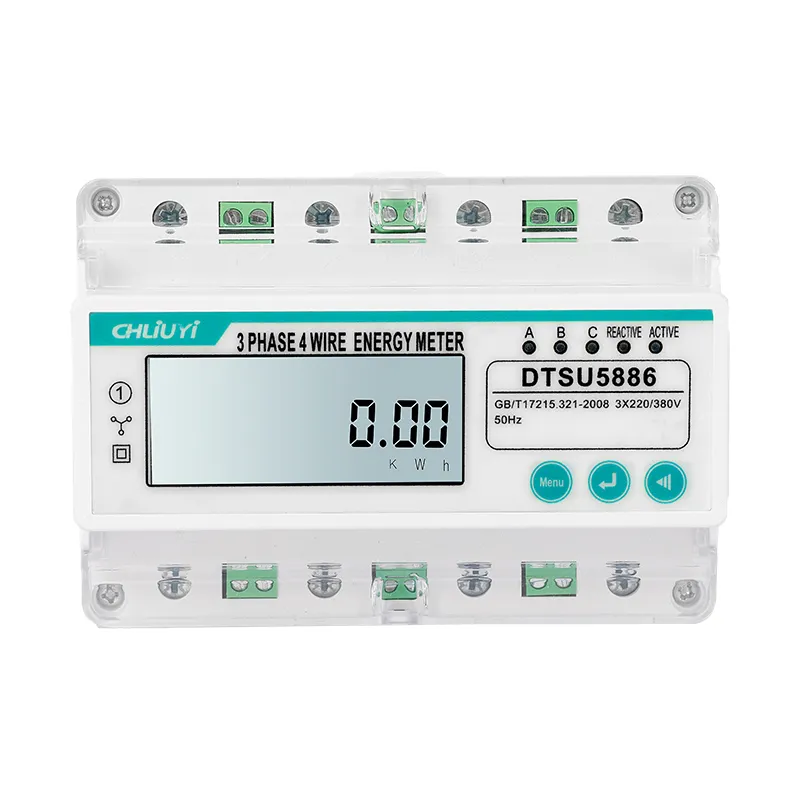
For practical deployment, solutions like those found in Liuyi Electric’s products provide seamless integration without installing new cables, enhancing network robustness while addressing PLC challenges effectively. You can explore more on their detailed three-phase electric meter solutions that incorporate powerful PLC features for real-world utility needs.
Future Trends: PLC in IoT and Smart Cities
Power Line Communication (PLC) is evolving beyond traditional utility metering, becoming a key player in the growing Internet of Things (IoT) landscape and smart city projects worldwide. One of the biggest future trends is hybrid PLC + RF solutions, which combine the strengths of both technologies to ensure robust and reliable connectivity. While PLC leverages existing power lines for communication, RF (radio frequency) fills the gaps where signal attenuation or interference might occur, especially in challenging urban environments. This hybrid approach boosts network resilience and expands coverage for applications like smart lighting, environmental monitoring, and energy management.
PLC’s role in demand response and load management is also gaining traction. By enabling real-time, bi-directional communication between smart meters and utility control centers, PLC helps balance energy supply and demand dynamically. Utilities can quickly respond to consumption fluctuations, better manage peak loads, and integrate renewable energy sources more efficiently. This means consumers benefit from improved reliability and potentially lower energy costs.
As smart cities continue to grow, PLC will be integral to advanced metering infrastructure (AMI), grid topology mapping, and last-mile connectivity. Its compatibility with standards like G3-PLC and PRIME ensures it stays future-proof while supporting IPv6 and secure data transmissions essential for IoT ecosystems. For those interested in exploring this technology further, smart meters such as the ones featured in this complete guide to smart meters offer excellent examples of PLC’s capabilities in action.
In short, PLC’s seamless integration with IoT combined with its reliable physical line communication makes it a strategic choice for smart cities and utility providers aiming for smarter, more efficient grid management.
The Core Difference: Single Phase vs. Three Phase Meters When choosing between a single phase and a three phase energy meter, the voltage, load capacity, and power delivery method are key factors. Voltage and Load Capacity Meter Type Voltage Range Typical Load Capacity Application Single Phase Meter 110V – 230V Low to medium residential loads […]
Have you ever wondered how large buildings, factories, and commercial facilities keep track of their massive energy consumption? Here’s the thing: traditional meters just can’t handle the job anymore. That’s where a three phase smart meter comes into play, transforming the way businesses monitor and manage their electrical usage. If you’re running a commercial operation or managing […]
TABLE OF CONTENTS Industrial facilities seeking comprehensive energy monitoring capabilities increasingly rely on integrating RS485 Modbus energy meters into existing control infrastructure. These communication-enabled devices provide real-time power consumption data essential for energy management systems, predictive maintenance protocols, and operational efficiency optimization. Modern RS485 energy meters utilize the industry-standard Modbus RTU protocol over RS485 physical […]
We use cookies to enhance your browsing experience, serve personalised ads or content, and analyse our traffic. By clicking "Accept All", you consent to our use of cookies.