Undervoltage happens when the electrical voltage falls below the standard level needed for appliances and equipment to run smoothly. Understanding what causes undervoltage is key to preventing damage and maintaining efficiency. Here are the main culprits:
Overloaded power grids or transformers: During peak demand times, such as hot summer days with lots of air conditioners running, power grids or transformers can become overloaded, leading to a drop in voltage.
Faulty wiring, long cable runs, or poor connections: When wires are old, damaged, or too long, voltage drop occurs along the path. Bad connections increase resistance, causing undervoltage at the endpoint.
Utility-side issues: Utilities may face peak load periods, unexpected grid faults, or even intentional brownouts to reduce stress on the grid, all of which can trigger undervoltage conditions for consumers.
Internal factors: Starting heavy appliances like air conditioners, pumps, or compressors can temporarily pull more current and reduce voltage. Also, undersized conductors that can’t handle the load properly cause voltage drops.
External influences: Extreme weather events such as storms or heatwaves can strain electrical networks and generators, sometimes resulting in undervoltage issues.
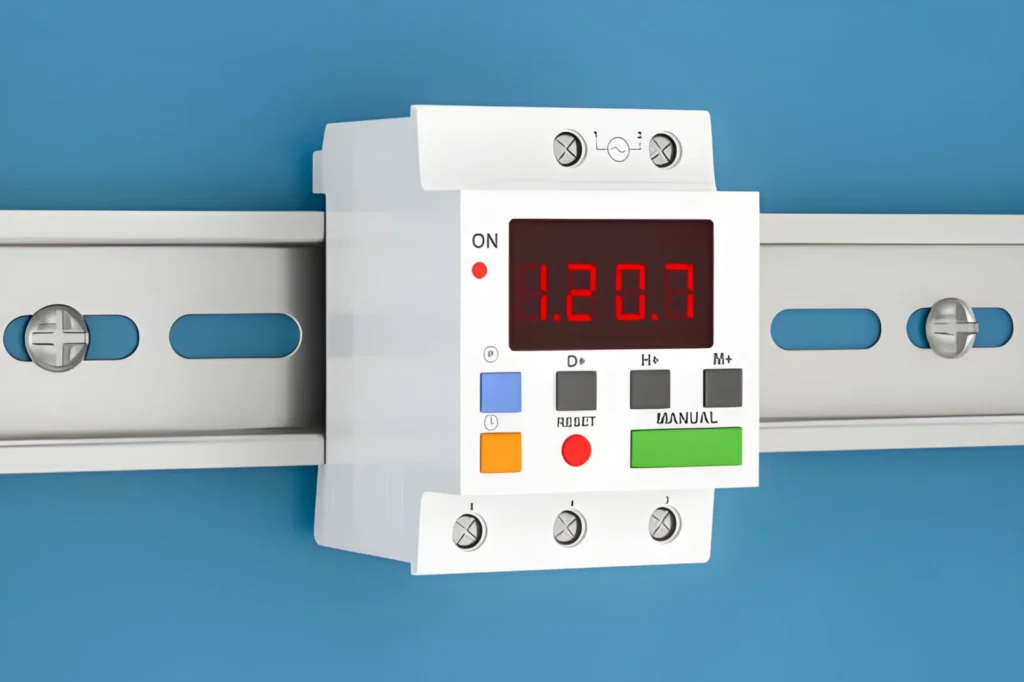
By identifying these undervoltage causes, it’s easier to implement solutions like voltage monitoring relays or stabilizers to keep your system running safely and efficiently.
Signs and Symptoms of Undervoltage
Recognizing the signs of undervoltage early can help prevent damage and costly repairs. Common symptoms include:
Dim or flickering lights, which indicate insufficient voltage reaching your electrical devices.
Motors running hotter or slower than usual, often accompanied by unusual noises, a clear sign of motor overheating due to undervoltage.
Appliances malfunctioning, overheating, or failing to start as they struggle to operate with low voltage.
Increased energy consumption without any performance improvement, meaning devices draw more current to compensate for the drop, wasting energy.
Frequent equipment shutdowns or reduced lifespan because undervoltage stresses components, causing premature wear and failure.
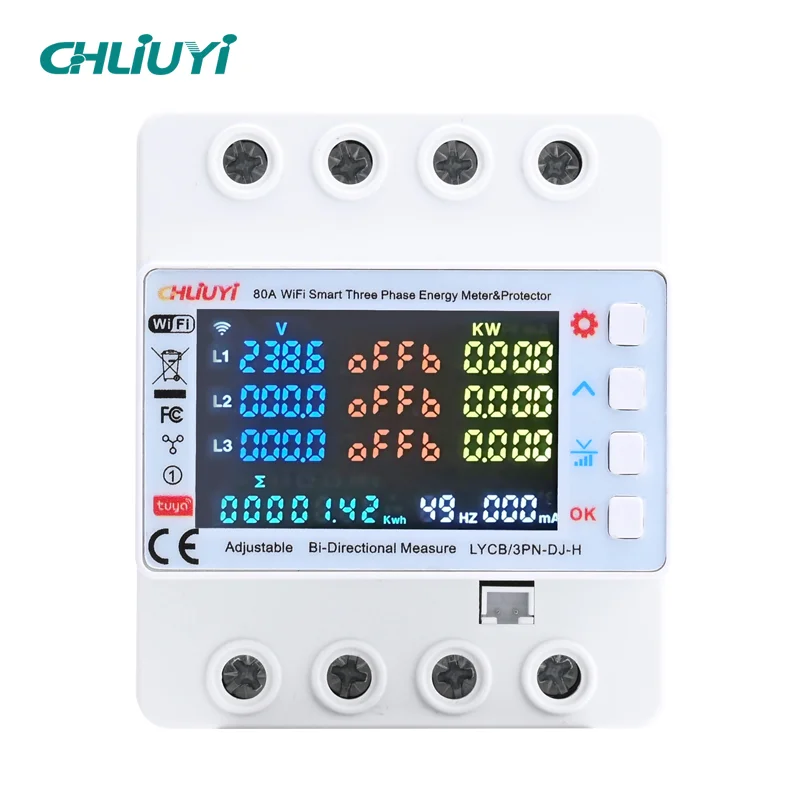
Monitoring devices like a voltage monitoring relay can help detect these issues early, ensuring you protect your equipment effectively. For detailed monitoring in industrial or commercial setups, reliable products such as the ones found on Liuyi Electric’s DC energy meter range can provide accurate voltage data to spot undervoltage events before they cause serious trouble.
Effects and Risks of Undervoltage
Undervoltage can cause serious issues, especially in motors and pumps. When voltage drops, these devices draw more current to keep running, which leads to overheating. This extra heat can damage the insulation inside the motor windings, causing premature failure and costly repairs. Over time, repeated exposure to undervoltage stresses these components, shortening their lifespan significantly.
For electronics, undervoltage results in malfunctions such as unexpected shutdowns, data corruption, or stress on sensitive parts. Devices might not perform correctly or could even fail under constant low voltage conditions.
Beyond individual equipment, undervoltage leads to reduced overall efficiency. Industrial plants may face higher repair costs and unplanned downtime, which hits productivity hard. There’s also an increased fire risk since overheating parts can ignite combustible materials nearby if left unchecked.
In the long run, undervoltage doesn’t just damage hardware — it raises safety risks and increases operational expenses. Proper monitoring with devices like a voltage monitoring relay and protective equipment can help minimize these risks and maintain system health.
For those managing industrial electrical systems, products such as advanced energy meters or smart monitoring solutions can provide early warnings about undervoltage conditions, helping to prevent damage and downtime. You can explore reliable options for industrial monitoring on our energy meters for industrial control page.
Undervoltage vs. Overvoltage: Key Differences
Understanding the difference between undervoltage and overvoltage is vital because both can harm electrical systems, but in different ways. Here’s a quick comparison:
Aspect
Undervoltage
Overvoltage
Causes
Overloaded grids, voltage drops, heavy loads
Lightning strikes, switching surges, faults
Common Symptoms
Dim lights, motors overheating or stalling
Flickering lights, equipment damage
Main Risks
Overload and heat causing premature failure
Component breakdown, insulation damage
Effects on Equipment
Motors run hotter and slower
Surges cause instant failure or wear
Both undervoltage and overvoltage require monitoring because undervoltage conditions force motors and devices to draw more current, leading to overheating. Overvoltage, on the other hand, can cause immediate breakdowns or electrical surges that damage sensitive components.
To learn more about protecting your system from these issues, consider using a reliable voltage monitoring relay or undervoltage protection devices. For detailed guidance on both undervoltage and overvoltage, visit our comprehensive guide on understanding overvoltage and undervoltage.
How to Protect Against Undervoltage
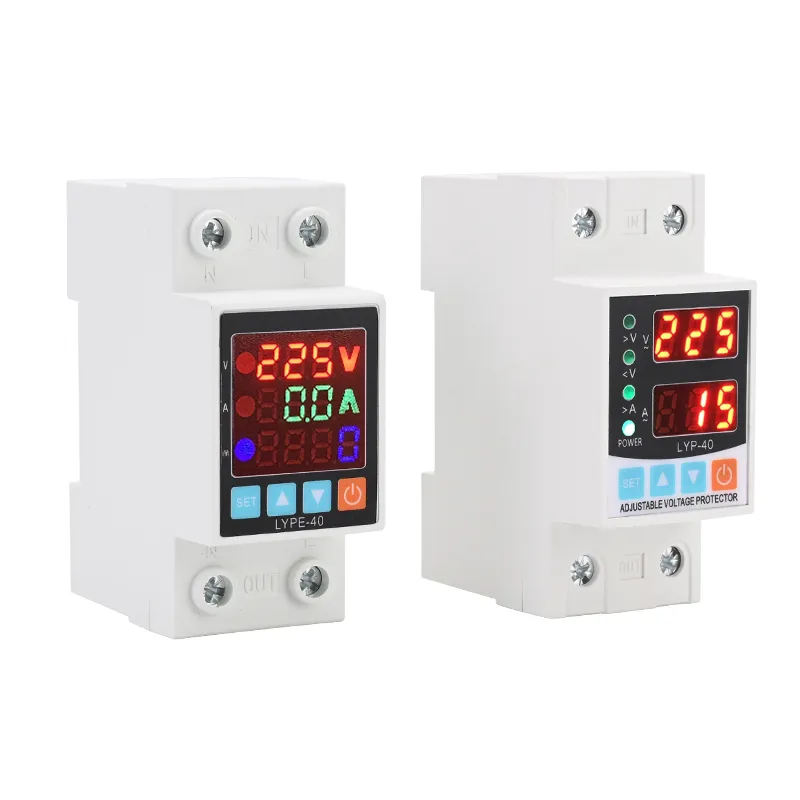
Protecting your electrical systems from undervoltage starts with early detection. Using voltage monitoring relays or phase monitors helps spot voltage drops before they cause damage, allowing you to act quickly. Installing specialized undervoltage protection devices like automatic disconnects or voltage stabilizers ensures your equipment is shielded from harmful low voltage conditions.
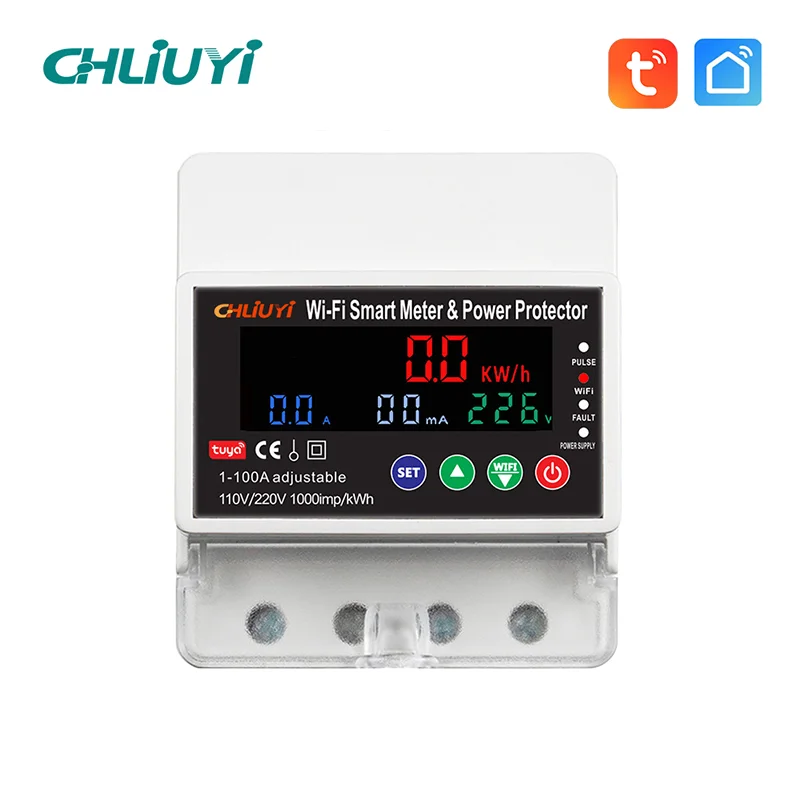
For reliable protection, Liuyi Electric offers high-quality relays and protectors tailored for residential, commercial, and industrial applications. These devices provide dependable safeguards against undervoltage risks and improve overall system safety. Check out Liuyi Electric’s selection of advanced protection solutions such as the Guideway three-phase reclosing protector and the socket-type protector designed for effective voltage management.
Other practical solutions include using UPS systems to maintain power during dips, installing voltage regulators for smooth voltage supply, and ensuring transformers and wiring are properly sized to reduce voltage drop causes. Regular preventive maintenance, including load balancing and periodic inspections, also plays a key role in minimizing undervoltage problems and extending the life of your electrical equipment.
Frequently Asked Questions about Undervoltage
What voltage level triggers undervoltage?
Undervoltage usually occurs when the voltage drops below 90% of the nominal value for your region’s standard supply. For example, in a 230V system, anything consistently below about 207V is considered undervoltage. However, exact thresholds can vary depending on equipment sensitivity and local regulations.
Can undervoltage damage my home appliances?
Yes, undervoltage can harm home appliances. Low voltage causes motors to draw more current to maintain performance, leading to overheating and premature failure. Sensitive electronics may malfunction or experience data corruption. Over time, this results in costly repairs or replacements.
How do I test for undervoltage?
You can test undervoltage using a multimeter or a voltage monitoring relay. Regular checks during peak usage times will help spot voltage drops. For continuous monitoring, devices like intelligent reclosing protectors not only detect undervoltage but also help safeguard your system from damage. Reliable monitoring and protection solutions are available at Liuyi Electric.
What’s the difference between undervoltage and a power sag?
Power sags are brief, short-duration voltage drops lasting milliseconds to seconds, often from starting large motors or faults. Undervoltage refers to prolonged periods of low voltage supply. Both can disrupt appliances, but undervoltage causes ongoing stress, while sags are momentary disruptions.
Are undervoltage protectors worth installing?
Absolutely. Undervoltage protection devices, like voltage stabilizers or automatic disconnects, help prevent damage by cutting off or correcting the voltage supply when levels drop too low. This extends equipment life, enhances safety, and reduces downtime. Products like the socket type protector offer practical solutions for homes and businesses aiming to manage undervoltage risks effectively.
If you’ve ever glanced at your electric bill and wondered how those numbers were calculated, you’re not alone. Energy meter reading is a simple but crucial skill that puts accurate control of your electricity costs right in your hands. Whether you’re dealing with an analog dial, a sleek digital display, or a smart meter, knowing […]
Are you searching for a practical solution to monitor and manage electricity use in your facility? Electric smart meters might be the answer. Today, we’ll explore what electric smart meters are, how they work, the types and features industrial users care about, and give you all the advice you need to make an informed purchase. […]
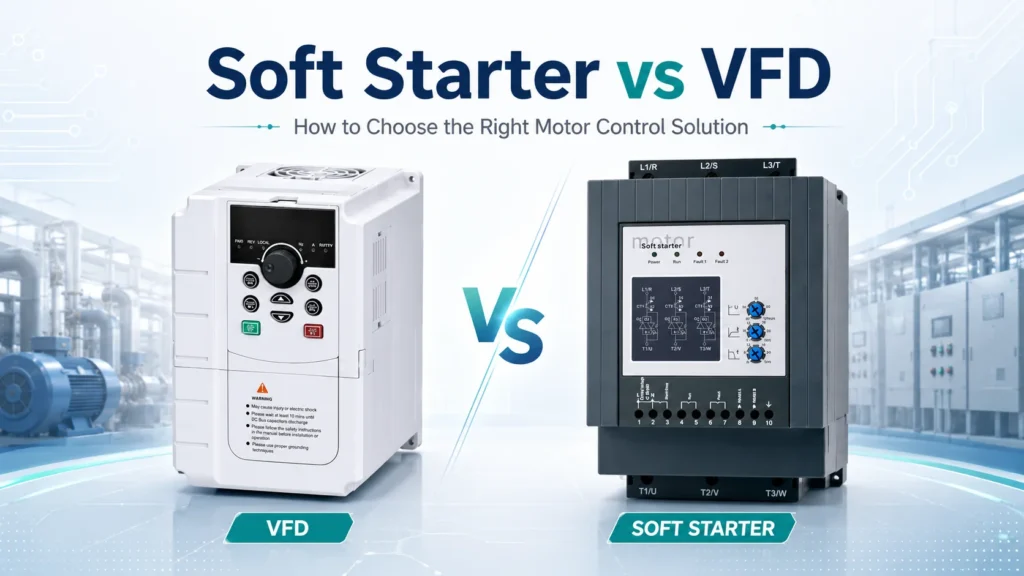
Learn the practical difference between a soft starter and a VFD. Compare speed control, startup performance, energy use, cost, and the best applications for each motor control solution.
We use cookies to enhance your browsing experience, serve personalised ads or content, and analyse our traffic. By clicking "Accept All", you consent to our use of cookies.