Understanding electrical phases helps explain how power is delivered and used in different places. Put simply, an electrical phase is a way of dividing and supplying electric power.
This matters most when comparing single-phase and three-phase systems, since these are the two most common methods of power distribution.
This article explains how three-phase electric meters differ from single-phase meters, focusing on where each is used, how efficient they are, and what they typically cost.
Single Phase and Three-Phase Systems: A Quick Overview
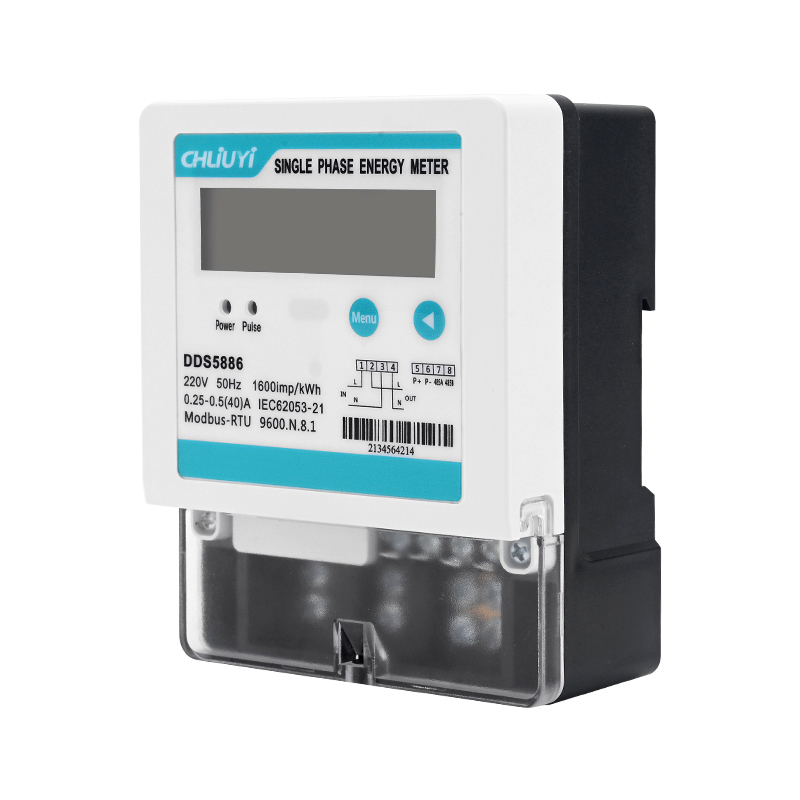
Single-phase power is most common in homes. It usually uses two wires: one live (power) wire and one neutral wire. This simple setup works well for lighter demands such as lighting, basic appliances, and heating.
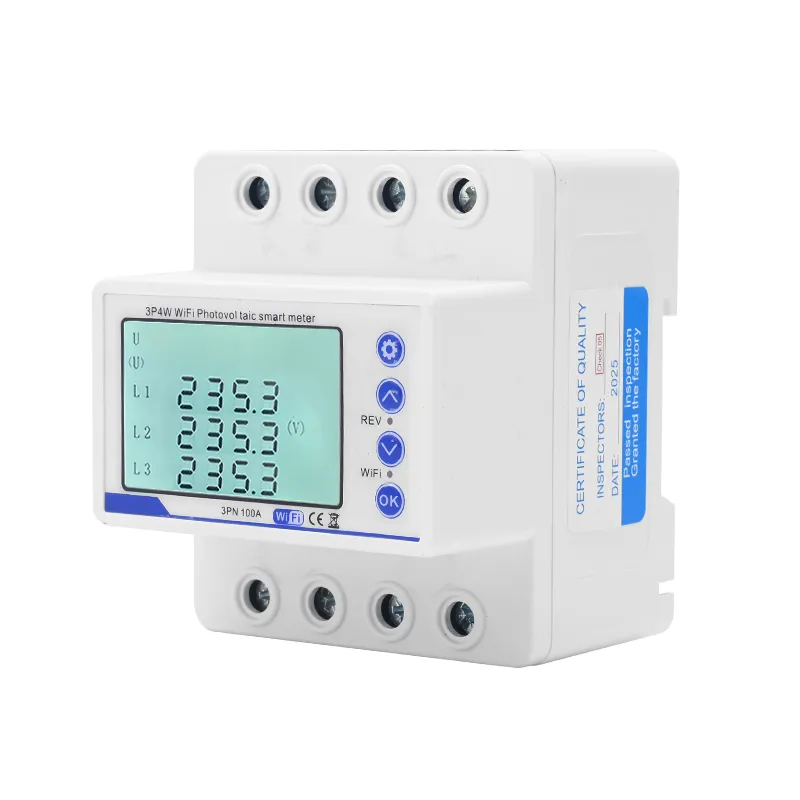
Three-phase power is used more often in commercial and industrial locations. It has three live wires, and each current wave is offset by 120∘120^\circ120∘. This design delivers power more smoothly, handles larger loads, and runs big motors and heavy equipment more efficiently.
Power Supply Differences: Single vs. Three Phase Electric Meter
Load Distribution
A key difference between single-phase and three-phase systems lies in how they handle electrical loads. Single-phase power delivers a steady voltage but is best suited for lighter demands. Three-phase power spreads the load across multiple lines, which helps prevent power drops and provides a more stable supply. This balanced distribution is especially important for operations with high energy requirements.
Voltage and Current Characteristics
In single-phase systems, voltage levels tend to vary, which may reduce efficiency. Three-phase systems, by comparison, maintain a more uniform voltage and deliver power continuously. This consistency improves overall efficiency and reliability, helping equipment run smoothly and reducing the risk of unexpected downtime.
Efficiency and Capacity: Comparing the Two Systems
Efficiency and Capacity: Comparing the Two Systems
Efficiency Levels:Three-phase systems are generally more efficient than single-phase systems. They can transmit the same amount of power using less conductor material, which reduces energy loss and lowers operational costs. This efficiency advantage is especially important in large-scale industrial or commercial operations.
Capacity for Handling Large Electrical Loads:Three-phase systems are better suited for managing heavy electrical loads. Their ability to provide consistent, balanced power ensures that high-energy equipment operates smoothly and reliably, making them ideal for industrial machines and other power-intensive applications.
Single Phase vs Three Phase Electric Meter: Key Differences
Feature
Single Phase Electric Meter
Three Phase Electric Meter
Number of conductors
2 (1 phase + 1 neutral)
4 (3 phases + 1 neutral)
Voltage
230 v
415 V
Application
Homes and small businesses
Industrial sites and commercial buildings
Power load
Up to 5 HP
Suitable for >5 HP loads
System complexity
Simple
More complex
Power continuity
Power stops if the phase is interrupted
Can keep running even if one phase fails
Efficiency
Less efficient for large loads
More efficient for heavy use
Installation cost
Lower
Higher
What is the difference between a single phase and three phase electric meter?
Single-phase and three phase electric meters mainly differ in how much power they can handle.
Power capacity
A single-phase energy meter works best when electricity use is low and the wiring needs are simple. A three-phase energy meter is the better choice when large, power-hungry equipment must run reliably.
Cost and upkeep
Single-phase meters are usually simpler to install and need less maintenance, which often makes them a more budget-friendly option. Three-phase meters suit high-load sites where steady performance and a consistent supply matter more than keeping installation simple.
Choosing the right meter
Focus first on the real power demand, not just what is used today. Also consider where it will be used and whether the system may need to expand later, since future growth can make three-phase a smarter long-term fit.
Where Are These Meters Used?
Single-phase meter use
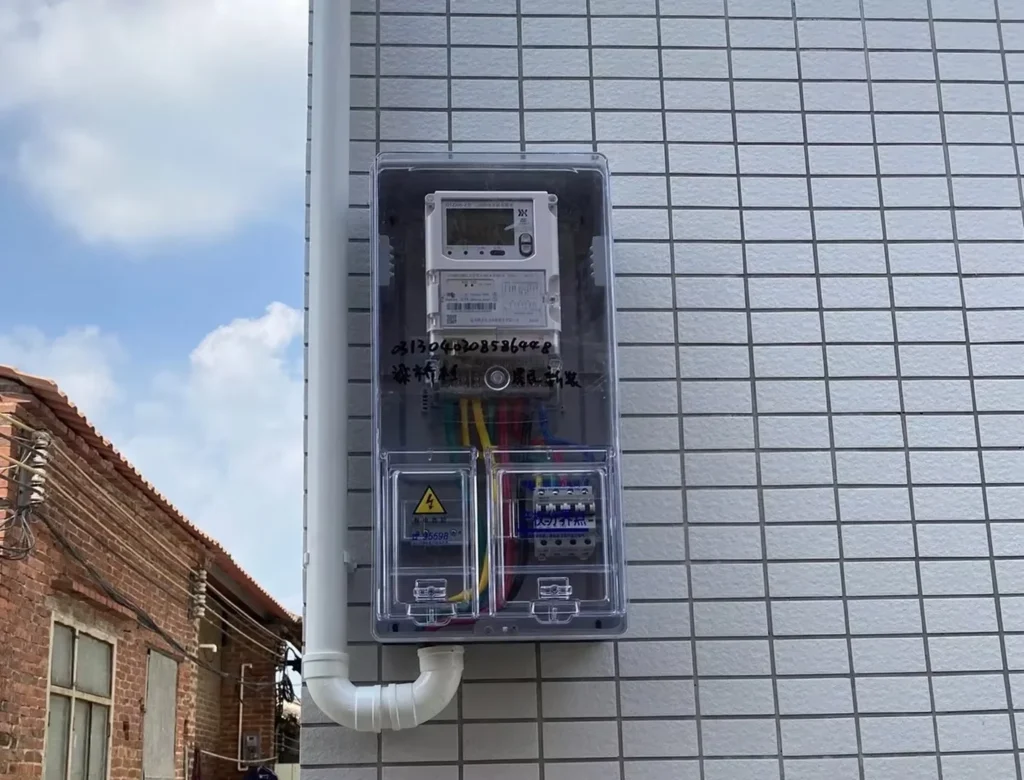
Single-phase meters are common in places with lighter, everyday electricity use. They are widely used in houses for basic loads like lighting, fans, TVs, and small kitchen devices, especially in single-family homes that don’t run heavy equipment.
They are also used in apartments, where each unit can have its own meter for accurate billing and straightforward energy tracking. Small offices and light commercial spaces (such as small shops, clinics, and cafés) often use single-phase meters because demand is steady but not high, so a simpler metering setup is enough.
Three-phase meter use
Three-phase meters are typically used in locations that run large equipment or need a steadier supply under heavier demand.
Factories use them to measure and manage power for heavy machines and large motors, helping avoid overload and supporting smoother operation.
They are also common in warehouses to support bigger systems like HVAC, large lighting setups, conveyors, and other high-load equipment.
Large office buildings, hospitals, and shopping malls often rely on three-phase meters because they must handle higher loads (like elevators, centralized cooling, server rooms, medical equipment, and escalators) while keeping power delivery stable.
Understanding Load Consistency and Reliability
Load Consistency in Single vs. Three Phase Electric Meter
Three-phase systems provide highly consistent power, which is essential for operations where reliability matters. Continuous and balanced energy delivery helps prevent interruptions, allowing machinery and systems to operate smoothly without unexpected shutdowns or voltage fluctuations.
Impact on Reliability and Electrical Quality
The stable power from a three-phase system enhances overall reliability. It lowers the risk of electrical or mechanical failures, extends the lifespan of equipment, and supports uninterrupted operations. This results in improved productivity and fewer operational disruptions.
Which One Should You Choose?
Choosing between a single-phase meter and a three-phase meter depends on how much power you use, where the meter will be installed, and whether your energy needs may grow over time. The following guidance can help you decide.
Choose a single-phase meter if:
Your electricity use is limited to everyday devices. Lighting, fans, televisions, computers, and small kitchen appliances usually do not require high power. In these cases, a single-phase meter is sufficient for normal household use.
You operate in a small home or office. Apartments, small houses, and compact offices with low energy demand benefit from single-phase meters because they are simple to install and work well with basic electrical systems.
Cost and ease of use matter most. Single-phase meters are generally more affordable and easier to maintain. They offer a practical solution for users who want straightforward and low-cost energy measurement.
Choose a three phase electric Meter if:
Your equipment requires high power. Machinery, elevators, large air-conditioning systems, and industrial motors need a three-phase meter to manage heavy electrical loads without instability.
You need a steady and reliable power supply. Three-phase systems provide balanced energy flow, which helps reduce voltage fluctuations. This is important for sensitive equipment and continuous operations.
You manage a commercial or industrial site. Factories, warehouses, shopping centers, and large offices rely on three-phase meters for accurate measurement and efficient power distribution. These systems also allow for future expansion.
By understanding the differences between single-phase and three-phase meters, you can select the option that best fits your current usage and long-term energy requirements.
Conclusion
Understanding the key differences between single-phase and three-phase electric meters is essential for effective energy management. Each type of meter is designed to meet specific power needs, from small residential setups to large industrial operations.
Single-phase meters are ideal for household energy use, handling low to moderate loads efficiently. Three-phase meters, on the other hand, are suited for high-power industrial and commercial applications, providing stable and balanced electricity for heavy machinery and large facilities.
When installing a new energy system or upgrading an existing one, knowing the distinction between single-phase and three-phase meters ensures you choose the right solution for your energy requirements.
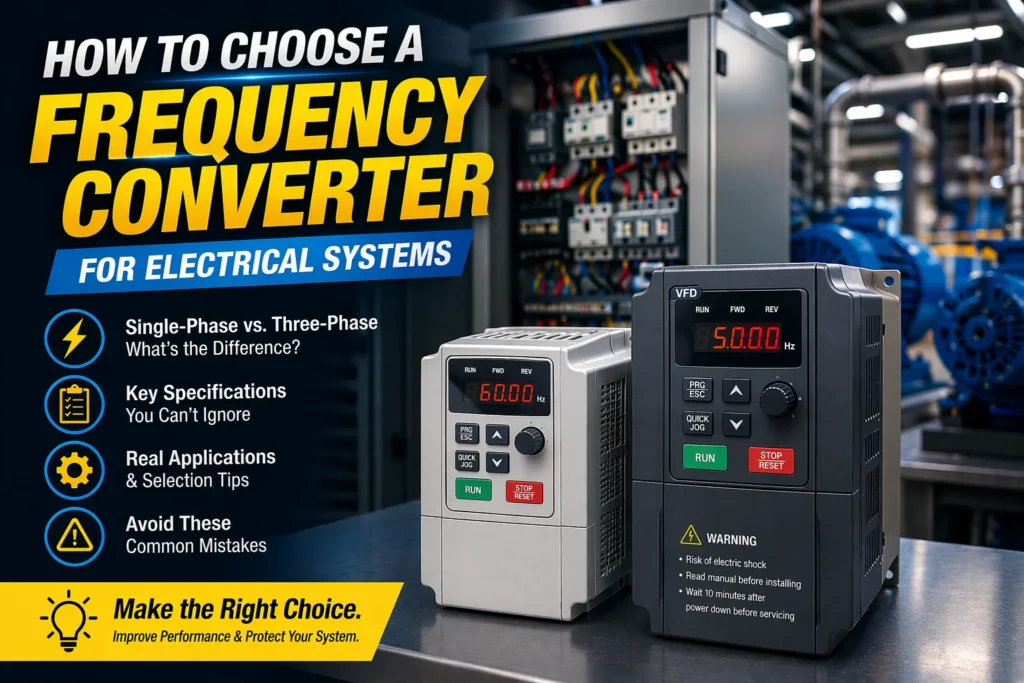
A frequency converter is often selected too late in an electrical project—after the motor, control cabinet, pump, fan, or test equipment has already been specified. That can create problems: wrong phase configuration, unstable motor operation, overheating, nuisance tripping, or a system that cannot reach the required speed or frequency condition. In an electrical system, a […]
To check an electricity meter, find the display and note the numbers from left to right. Skip any red digits or decimals. Then subtract your last recorded reading from the current one to get the kilowatt-hours (kWh) used. That difference is what your utility uses to bill you. The device itself—whether a digital screen, a […]
A three-phase meter is an instrument used to measure electricity use. It records energy consumption with high accuracy. This type of meter is commonly installed in factories, large commercial buildings, and certain residential properties. Three-phase power systems use three separate current lines. This structure allows them to carry more power and operate more efficiently than […]
We use cookies to enhance your browsing experience, serve personalised ads or content, and analyse our traffic. By clicking "Accept All", you consent to our use of cookies.