Industrial facilities are under increasing pressure to prove that power consumption is measured accurately, fairly, and in full alignment with internal policies and external regulations. Within this context, transparent energy meters are becoming a powerful tool for energy managers, auditors, and HSE departments who need both reliable data and visible evidence that tampering is not taking place. For OEMs and panel builders, specifying transparent energy meters from the start reduces future dispute risk and strengthens the value proposition of their equipment.
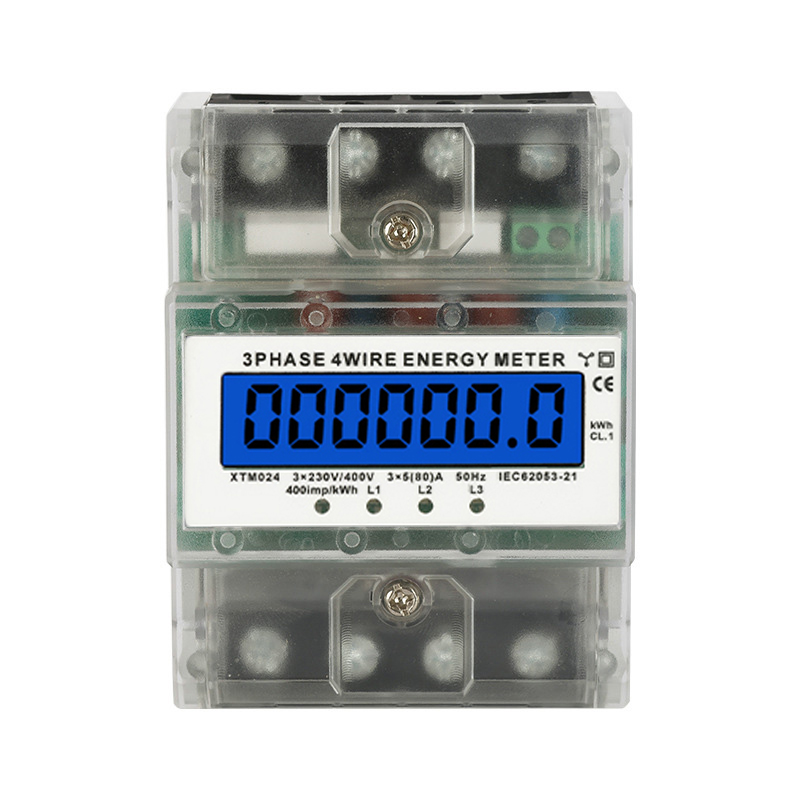
Transparent 3 Phase 4 Wire Energy Meter
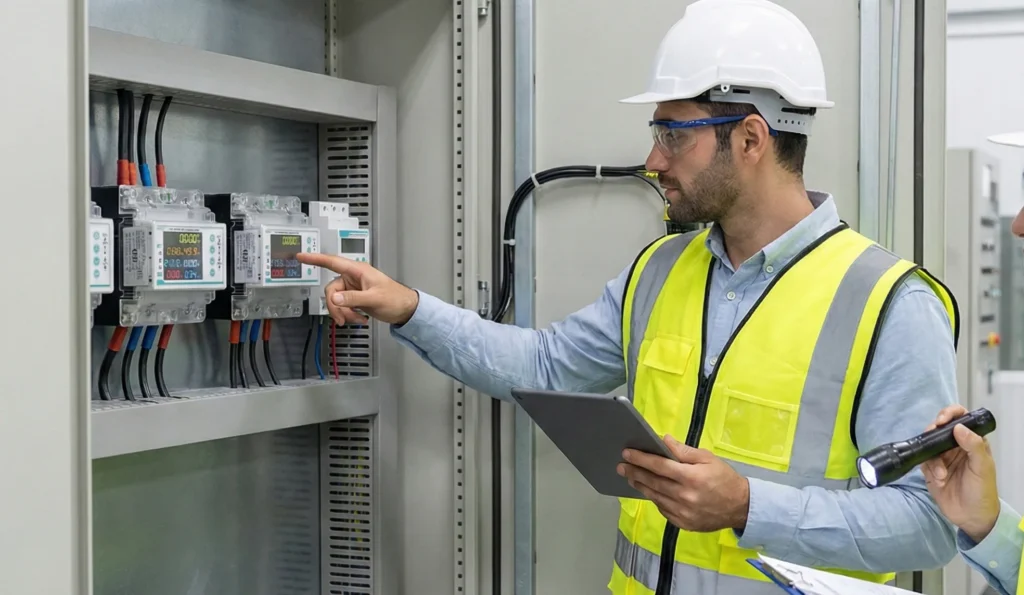
Unlike traditional opaque housings, a transparent design lets inspectors visually confirm wiring, sealing, and potential tampering without removing covers or interrupting service. This reduces audit duration, cuts labor costs for verification, and helps operators maintain stronger governance over sub-metered tenants, production lines, and critical loads. For procurement and engineering teams, the right transparent meter design provides a balance of electrical performance, safety, and long-term auditability that directly supports corporate compliance programs.
How Transparent Energy Meters Support Compliance
In regulated and export-oriented industries, proving compliance is often as important as being compliant. Transparent energy meters make this much easier by combining precise metrology with a physical design that communicates openness and traceability to auditors and regulators. When meter terminals, current paths, and seals are visible, it is far harder to conceal bypass wiring or unauthorized reconnections during internal or external inspections.
From a process standpoint, transparent energy meters also help standardize audit workflows across multiple plants and panels. Auditors can visually scan meters without removing covers, then correlate readings against SCADA or EMS data, quickly flagging any discrepancies that might indicate measurement errors or manipulation. For multinational groups, rolling out a single transparent meter platform across factories creates a consistent compliance baseline and reduces documentation work, because the same product datasheets, wiring diagrams, and commissioning procedures can be reused.
Key Technical Features of Transparent Energy Meters
Engineering and procurement teams should view transparent energy meters not only as visual devices, but as fully featured industrial-grade instruments. The right design combines safety clearances, insulation, and measurement accuracy with an enclosure that remains clear, impact-resistant, and UV-stable over the product’s lifecycle. For three-phase applications, class accuracy, rated current, and wiring flexibility are just as important as the transparent casing itself.
In addition, transparent energy meters often sit at the intersection of metering and data infrastructure. RS485/Modbus, pulse outputs, and integration with existing energy management platforms all need to be evaluated. A clear housing can actually simplify onsite troubleshooting for these communication interfaces, because technicians can see address jumpers, terminal labeling, and signal wiring while the device remains energized and sealed.
Transparent Energy Meters for Three-Phase, Four-Wire Systems
Most industrial users will deploy transparent energy meters in three-phase, four-wire networks that feed production lines, HVAC systems, or distribution panels. In these environments, the meter must handle a wide current range, typically from low currents for partial loads up to the full service rating of feeders and sub-feeders. The transparent housing allows maintenance teams to verify CT wiring direction, neutral connections, and phase sequence at a glance, reducing the risk of reverse energy readings or phase mislabeling during commissioning.
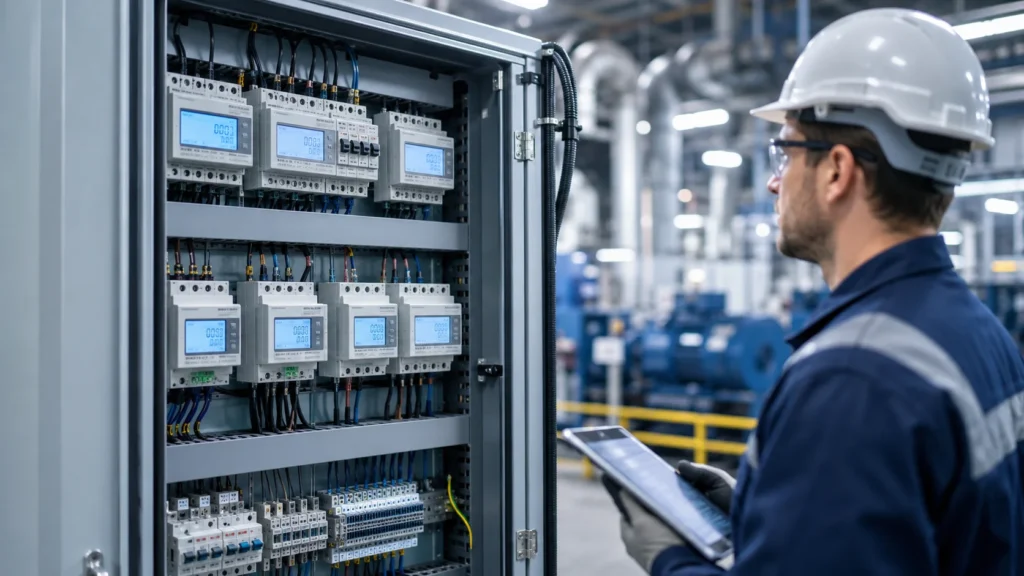
For panel manufacturers, a compact, DIN-rail-friendly transparent energy meter simplifies layout inside crowded switchboards, while still providing a clear view of incoming and outgoing conductors. This is especially valuable when multiple meters are installed in the same cabinet for tenant sub-billing or process-level metering; only the transparent models allow quick visual confirmation of which circuit belongs to which meter without digging through cabling.
Tamper Evidence, Data Integrity and Transparent Energy Meters
A core reason many utilities and industrial landlords are turning to transparent energy meters is tamper evidence. When terminal covers, seal holes, and internal busbars are all visible, it is much more difficult to introduce clandestine jumpers or bypass conductors without leaving traces. Transparent plastic also makes broken seals, drilled holes, and burn marks immediately noticeable, supporting stronger enforcement of contractual terms with tenants, contractors, or third-party operators.
To support data integrity, modern transparent energy meters often pair their visible anti-tamper design with firmware features such as event logs, reverse-energy detection, and programmable alarms. When a visual inspection suggests something is wrong, auditors can cross-check the historical data to identify exactly when abnormal events occurred. This combination of physical transparency and electronic logging dramatically strengthens the evidentiary value of readings in billing disputes or regulatory investigations.
Deployment Best Practices for Transparent Energy Meters
To get the full benefit from transparent energy meters, deployment must be planned jointly by electrical engineers, energy managers, and compliance teams. A first step is to map critical circuits where measurement disputes or tampering risks are highest—such as tenant incomers, outsourced process lines, or shared utilities—and prioritize those points for transparent metering. This ensures budget is focused on circuits where visibility has the greatest commercial and regulatory impact.
During installation, technicians should route conductors and label terminals so that the advantages of the transparent housing are fully realized. Clear phase and load labeling inside the field of view makes future audits easier, while minimizing conductor crossings helps inspectors quickly trace each feed. Commissioning procedures should include taking high-resolution photos of each transparent energy meter after wiring and sealing; those images then become a baseline reference for later inspections and audits.
Procurement and ROI Checklist for Transparent Energy Meters
For procurement managers and technical buyers, selecting the right transparent energy meters requires a structured evaluation that goes beyond unit price. A practical approach is to align specifications with both internal metering standards and external audit expectations, then evaluate potential models against a clear checklist. Over the lifecycle of a plant, modestly higher upfront spending on robust transparent meters is often offset by reduced dispute costs, faster audits, and fewer truck rolls for on-site inspections.
Below is a concise checklist you can adapt into RFQs and vendor scorecards:
Measurement performance
Accuracy class suitable for billing or internal cost allocation.
Rated voltage and current aligned with plant distribution levels.
Support for three-phase, four-wire configurations where required.
Compliance and safety
Clear documentation of relevant standards (e.g., IEC, national metering codes).
Dielectric strength, creepage and clearance distances suitable for the application.
Flame-retardant and UV-stable transparent housing materials.
Tamper-resistance and transparency
Fully visible terminals, busbars, and seals through the transparent housing.
Secure seal points and terminal covers that clearly show attempted access.
Event logging or alarms for reverse energy, cover open, or abnormal wiring.
Integration and communications
RS485/Modbus or compatible interface for BMS/EMS/SCADA integration.
Pulse outputs if required by legacy systems or sub-billing arrangements.
Parameter configuration that supports your company’s addressing and naming rules.
Mechanical and installation aspects
DIN rail or panel mounting compatibility with existing switchboard designs.
Compact form factor when many transparent energy meters must fit in a single panel.
Clear terminal markings visible through the enclosure for safe, error-free wiring.
Total cost of ownership and ROI
Estimated reduction in audit time per panel due to visual inspection.
Expected decrease in disputes and site visits for meter verification.
Warranty terms, after-sales support, and availability of compatible accessories.
By formalizing these points, teams can compare transparent energy meters from multiple brands on a like-for-like basis and justify investment using documented savings in audit effort and dispute management.
Q1: Are transparent energy meters suitable for revenue billing, or only for internal monitoring? A1: Transparent energy meters can be specified for both revenue-grade billing and internal sub-metering, provided they meet the applicable accuracy and certification requirements in your country. Always confirm the accuracy class and compliance marks in the datasheet before using them for contractual billing.
Q2: Do transparent housings compromise electrical safety compared to opaque meters? A2: No, if designed correctly. Industrial transparent energy meters use flame-retardant, high-dielectric materials and follow the same insulation and clearance requirements as opaque devices. The transparency is purely visual and does not reduce the protective barrier between live parts and operators.
Q3: How do transparent energy meters help during internal or external audits? A3: Auditors can visually confirm terminal wiring, seals, and potential tampering without removing covers or de-energizing circuits, which significantly cuts inspection time. Combined with event logs, this visual transparency strengthens the credibility of measurement data used in reports.
Q4: Can transparent energy meters integrate with existing BMS or EMS platforms? A4: Yes. Many models support RS485/Modbus or other standard communication interfaces, making it straightforward to integrate them into existing building management systems, energy management software, or SCADA platforms with minimal configuration changes.
Q5: Where are transparent energy meters most valuable inside an industrial facility? A5: Typical high-value locations include tenant incomers, shared utilities, outsourced process lines, and any circuits where billing disputes or tampering risks are historically high. Starting deployment at these points maximizes compliance and ROI from your transparent metering strategy.
Industrial energy meters provide accurate measurement of power consumption in factories, commercial buildings, and industrial equipment. Explore smart and reliable energy monitoring solutions for industrial applications.
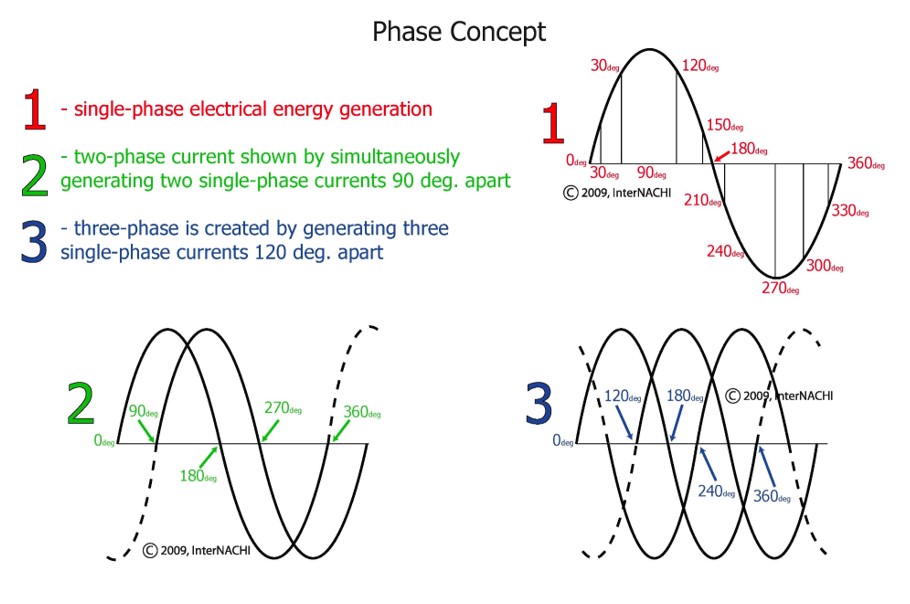
Single phase vs three phase are terms that refer to the distribution of electrical loads. In electricity, a phase defines how power is delivered. Single-phase power consists of two wires in an alternating current (AC) circuit, usually one phase wire and one neutral wire, with current flowing between them through the load. Three-phase power, however, […]
If you’ve ever glanced at your electric bill and wondered how those numbers were calculated, you’re not alone. Energy meter reading is a simple but crucial skill that puts accurate control of your electricity costs right in your hands. Whether you’re dealing with an analog dial, a sleek digital display, or a smart meter, knowing […]
We use cookies to enhance your browsing experience, serve personalised ads or content, and analyse our traffic. By clicking "Accept All", you consent to our use of cookies.