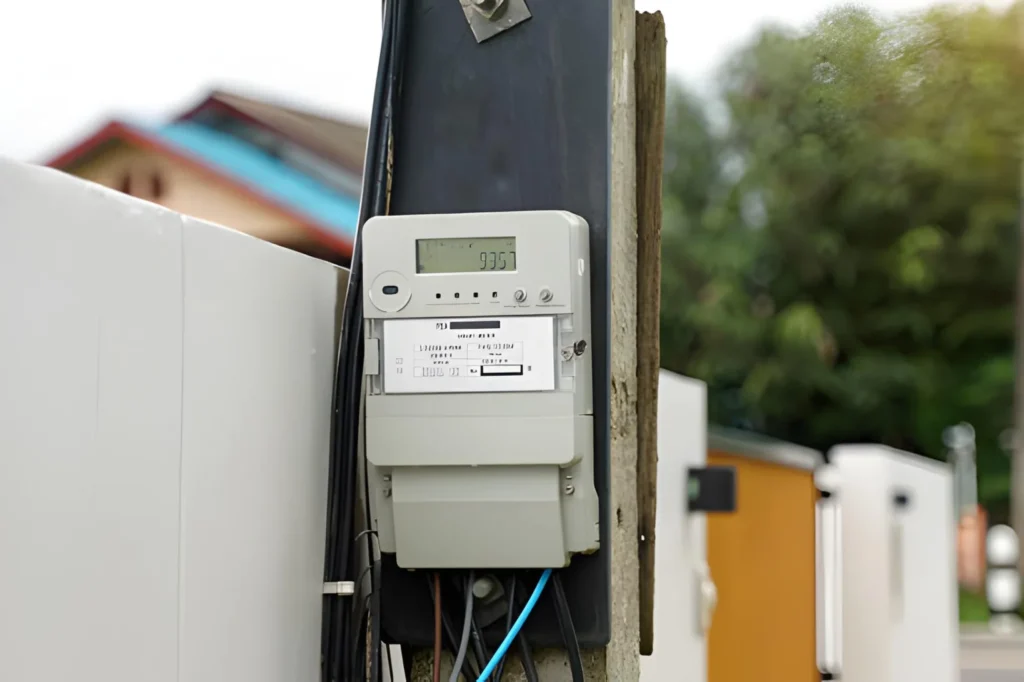
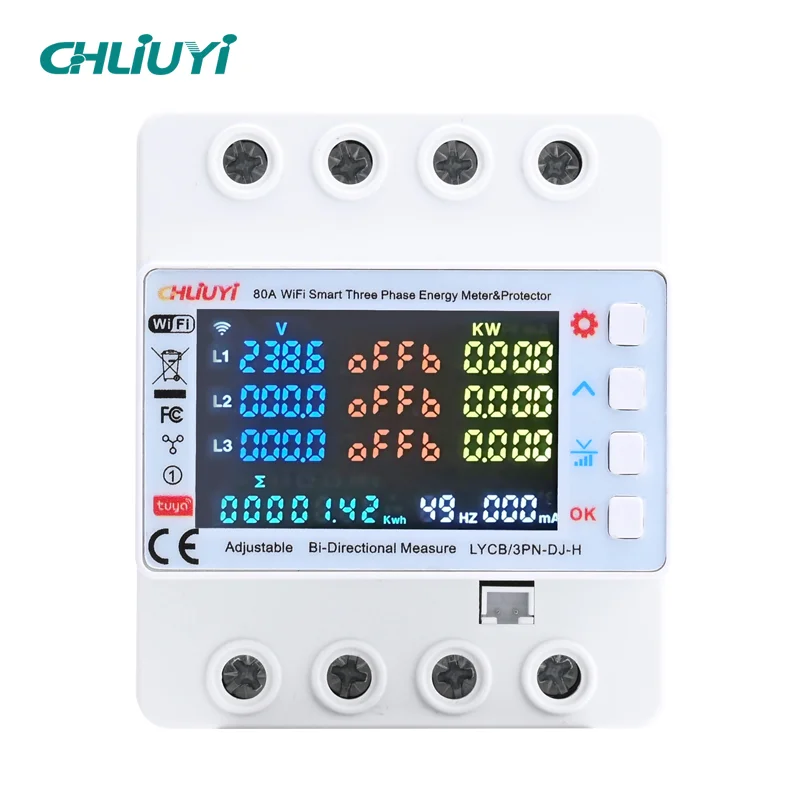
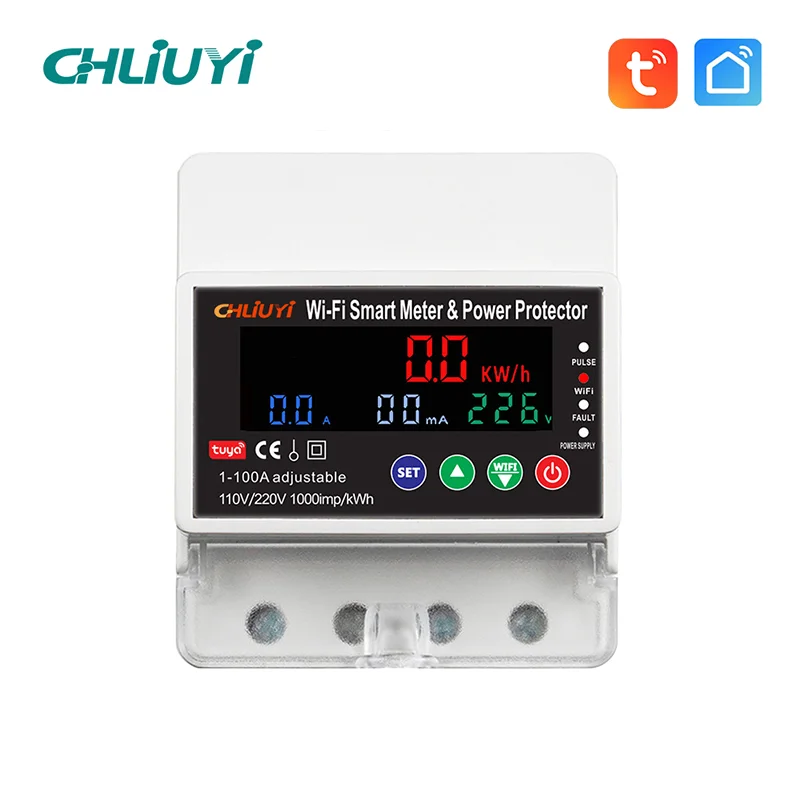
Have you ever wondered how large buildings, factories, and commercial facilities keep track of their massive energy consumption?
Here’s the thing: traditional meters just can’t handle the job anymore.
That’s where a three phase smart metercomes into play, transforming the way businesses monitor and manage their electrical usage.
If you’re running a commercial operation or managing an industrial facility, you already know that energy costs can make or break your bottom line. We’re living in an era where every kilowatt-hour counts, and having the right metering solution isn’t just a nice-to-have—it’s essential. A three phase smart meter gives you the power to track, analyze, and optimize your energy consumption in ways that were simply impossible just a few years ago.
What Makes Three Phase Smart Meters Different?
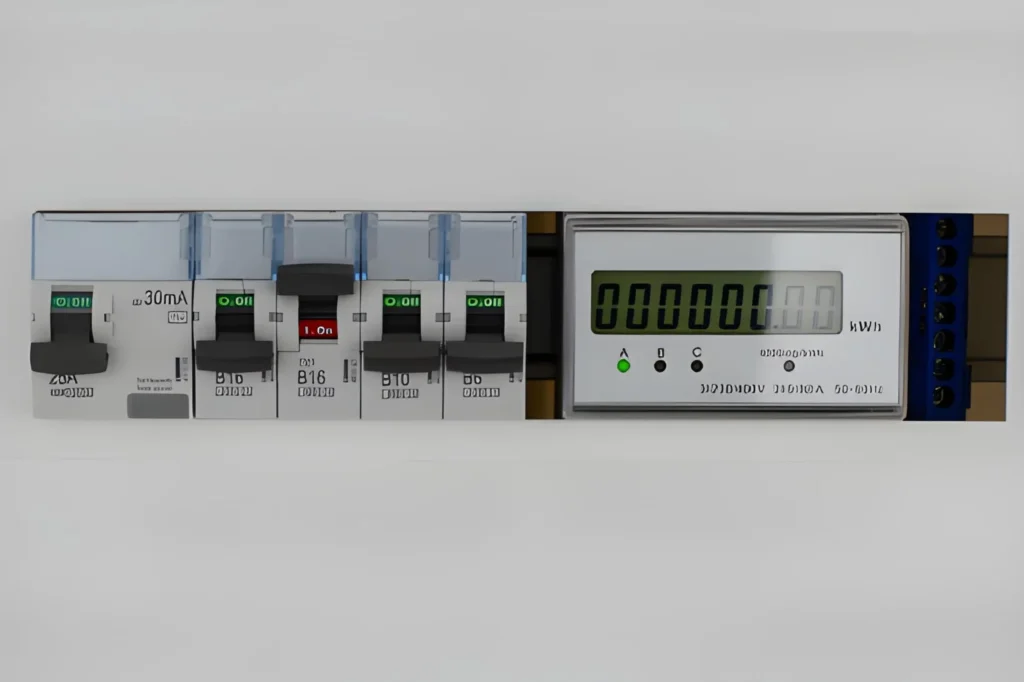
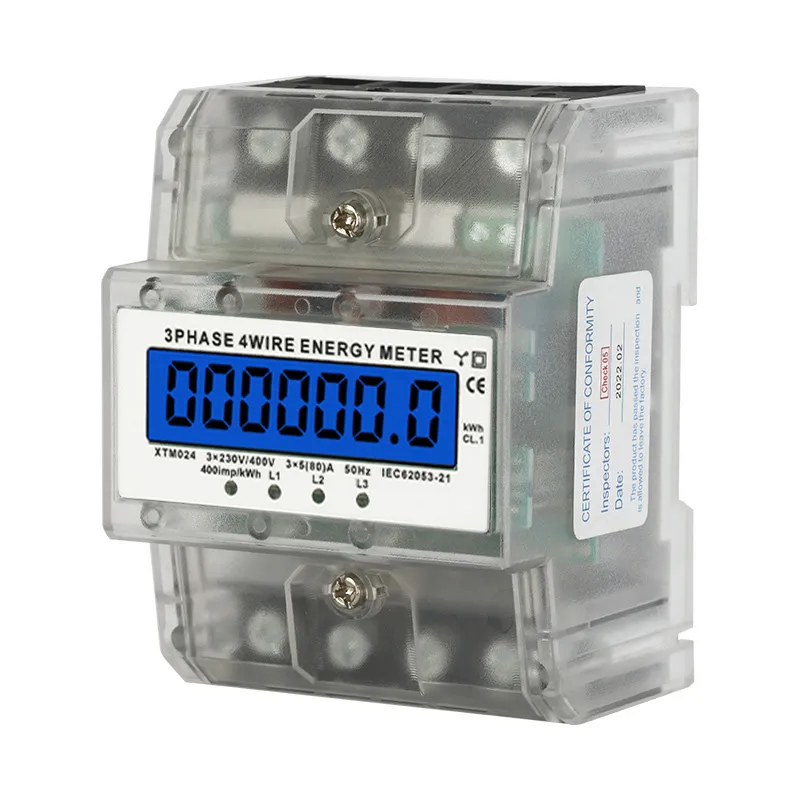
Let’s start with the basics. Unlike single-phase meters you might have at home, a three phase smart meter is specifically designed for heavy-duty applications where power demands are significantly higher. Think about industrial equipment, large HVAC systems, or commercial kitchens—these all require three-phase power to operate efficiently.
The magic happens through electromagnetic induction technology. When current and voltage flow through the meter’s coils, they create a magnetic field that drives the measurement process. But here’s where modern three phase energy meters really shine: they’ve moved beyond simple mechanical counting to sophisticated digital measurement systems that can track dozens of parameters simultaneously.
What sets these devices apart is their ability to measure both active and reactive energy in forward and reverse directions. This means you’re not just seeing how much power you’re using—you’re getting a complete picture of your electrical system’s performance. And in today’s energy landscape, that level of insight can translate directly into cost savings.
Feature
Traditional Meter
Three Phase Smart Meter
Measurement Type
Basic consumption
Active, reactive, bidirectional
Data Access
Manual reading
Remote, real-time
Accuracy Class
1.0-2.0
0.5S-1.0
Communication
None
RF/Cellular/PLC
Key Benefits You Can’t Ignore
When you invest in a three phase smart meter installation, you’re getting more than just a measurement device—you’re gaining a complete energy management system. The benefits extend far beyond simple billing accuracy, touching every aspect of how you interact with electrical infrastructure.
High-precision measurement stands at the forefront of these advantages. Modern three phase smart meters achieve accuracy classes of 0.5S or better, which means you’re getting incredibly reliable data. In commercial settings where energy costs run into thousands of dollars monthly, even a 1% improvement in measurement accuracy can result in significant savings. We’re talking about advanced electronic technology paired with precise mechanical structures that minimize error rates to near-zero levels.
Real-time monitoring capabilities fundamentally change how businesses approach energy management. Instead of waiting for monthly bills to understand your consumption patterns, you can track energy usage instantly. This immediate feedback lets you identify wasteful practices as they happen, not weeks later when it’s too late to do anything about it. Imagine spotting a malfunctioning piece of equipment at 2 AM because your smart meter detected an unusual spike—that’s the kind of proactive management that saves both energy and money.
Remote data access has become a game-changer for facility managers. You don’t need to send technicians to physically read meters anymore. Whether you’re managing a single building or a portfolio of properties across multiple locations, you can access consumption data from anywhere with an internet connection. This capability becomes especially valuable when you’re working with utility companies that support advanced metering infrastructure (AMI) systems.
Essential Features That Matter
The functionality packed into today’s three phase smart electricity meters goes way beyond what most people expect. These aren’t just upgraded versions of old technology—they’re sophisticated devices that integrate with modern building management and IoT ecosystems.
Multi-tariff capabilities allow you to take advantage of time-of-use pricing structures. Many utilities charge different rates depending on when you use electricity—peak hours cost more, while off-peak periods offer savings. A smart three phase meter can automatically track consumption across up to eight different tariff periods for active energy and four for reactive energy. This lets you analyze exactly when you’re using power and adjust operations accordingly. Maybe you can shift some manufacturing processes to nighttime hours, or schedule heavy equipment maintenance during low-cost periods.
Communication interfaces represent another critical feature set. Modern meters support multiple technologies simultaneously—power line communication (PLC), cellular networks like NB-IoT, and radio frequency (RF) systems. This redundancy ensures that data keeps flowing even if one communication channel experiences problems. The latest models implement dual-channel architectures where a primary NB-IoT connection transmits data every 15 seconds, while a backup 470MHz LPWAN channel activates automatically during cellular outages.
Specification
Typical Range
Purpose
Voltage Rating
3×230/400V
Standard three-phase supply
Current Range
5(10)A to 5(100)A
Accommodates various load sizes
Frequency
47.5-52.5 Hz
Works across grid variations
Tariff Zones
4-8 periods
Time-of-use optimization
Storage Depth
6000+ readings
Historical data analysis
How Does Real-Time Monitoring Work?
You might be wondering how a three phase smart meter achieves real-time energy consumption monitoring. The technology behind this capability involves several integrated systems working together seamlessly.
At the hardware level, these meters use modular architectures with specialized measurement modules. High-precision metering chips capture three-phase current and voltage data continuously, while temperature-compensated real-time clocks ensure accurate timestamping. The system monitors not just basic parameters but also power factor, harmonics, active power, and reactive power across all three phases simultaneously.
The real innovation comes in how this data gets processed and transmitted. Modern three phase smart meters incorporate edge AI processing that performs on-device anomaly detection. This means the meter itself can identify problems like power surges, voltage sags, or potential leakage issues before sending data to the cloud. By filtering out redundant information—sometimes reducing transmitted data by 30%—these systems ensure that what reaches your dashboard is actionable intelligence rather than raw noise.
Cloud platforms complete the monitoring ecosystem by providing real-time dashboards with dynamic load curves and heatmaps. You can drill down by device, production line, or entire workshop to understand exactly where energy goes. AI-powered diagnostics identify energy-intensive equipment and recommend specific optimizations like load balancing or time-of-use adjustments. Some systems even trigger automated control responses, shutting down non-operational equipment that’s wasting power and potentially cutting energy loss by up to 18%.
Choosing the Right Three Phase Smart Meter
Selecting the appropriate three phase smart meter for your facility requires careful consideration of several factors. Not all meters are created equal, and what works perfectly for one application might be overkill—or insufficient—for another.
First, consider your load requirements. Three phase smart meters come in various current ratings, typically ranging from 5(10)A for smaller commercial applications up to 5(100)A for heavy industrial use. The number in parentheses represents the maximum current the meter can handle for short periods. Choosing a meter with inadequate capacity can lead to premature failure, while oversizing increases upfront costs unnecessarily.
Communication technology matters more than you might think. If you’re integrating with an existing AMI system, you’ll need to match your utility’s communication protocol. Some installations benefit from cellular connectivity, particularly in remote locations, while others work better with PLC systems that use existing electrical wiring. The most robust solutions offer multiple communication channels for redundancy.
Compliance and certification shouldn’t be afterthoughts. Look for meters that meet international standards like IEC 62052-11:2024 and IR46 legal metrology requirements. These certifications ensure that your meter’s data will hold up to regulatory scrutiny and utility audits. Security features are equally important—end-to-end encryption and anti-tamper mechanisms protect both your data and your billing accuracy.
Ready to upgrade your energy management system? If you’re serious about reducing costs and gaining better control over your electrical infrastructure, now’s the time to act. Contact us today to discuss which three phase smart meter solution fits your specific needs, and let’s start building a more efficient energy future for your facility.
Frequently Asked Questions
Can a three phase smart meter help reduce my energy bills?
Absolutely. While the meter itself doesn’t reduce consumption, it provides the visibility and data you need to identify waste, optimize usage patterns, and take advantage of time-of-use pricing. Many businesses see 10-20% reductions in energy costs after implementing smart metering systems and acting on the insights they provide.
How often does a three phase energy meter send data?
This depends on the specific model and configuration. Advanced meters with cellular connectivity can transmit data every 15 seconds for near-instantaneous monitoring. Others may send updates at longer intervals—every few minutes or hours—depending on your requirements and communication infrastructure.
Are three phase smart meters difficult to install?
Installation should always be performed by qualified electricians familiar with three-phase systems. The physical installation process is straightforward for professionals, but proper integration with communication networks and backend systems requires technical expertise. Most installations take a few hours per meter.
What happens if the communication network fails?
Quality three phase smart meters include backup communication channels and local data storage. If the primary network fails, the meter continues recording data locally and either switches to a backup communication method or stores information until connectivity is restored. You won’t lose any consumption data.
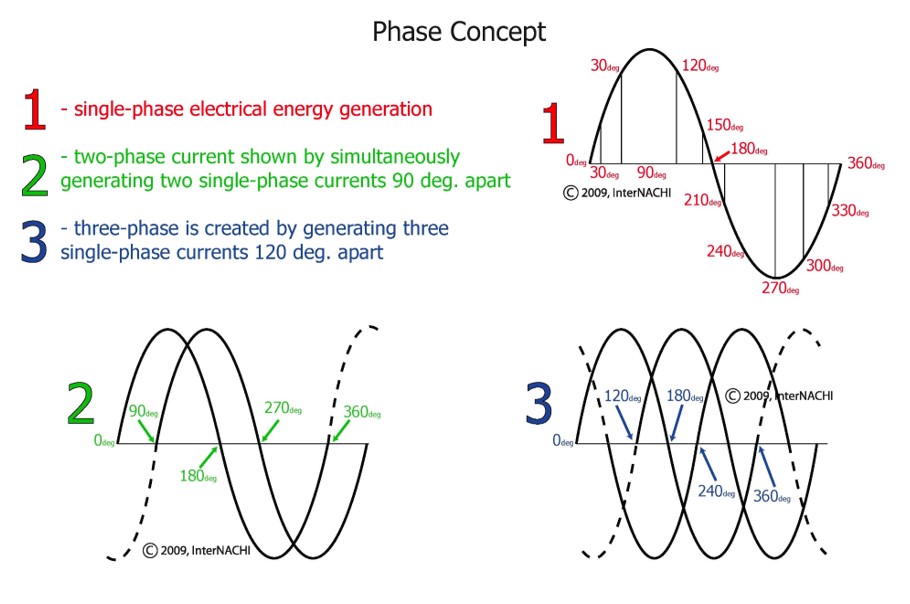
When working with electric motors or industrial equipment, understanding the difference between single-phase and three-phase power is crucial. Single-phase power uses one alternating voltage waveform, typically found in most residential and light commercial settings. In contrast, three-phase power consists of three voltage waveforms, each offset by 120 degrees, providing a more constant and balanced power […]
Single phase vs three phase are terms that refer to the distribution of electrical loads. In electricity, a phase defines how power is delivered. Single-phase power consists of two wires in an alternating current (AC) circuit, usually one phase wire and one neutral wire, with current flowing between them through the load. Three-phase power, however, […]
Are you searching for a practical solution to monitor and manage electricity use in your facility? Electric smart meters might be the answer. Today, we’ll explore what electric smart meters are, how they work, the types and features industrial users care about, and give you all the advice you need to make an informed purchase. […]
We use cookies to enhance your browsing experience, serve personalised ads or content, and analyse our traffic. By clicking "Accept All", you consent to our use of cookies.